Olive oil tasting glasses
1344×768 · AVIF · CC BY 4.0
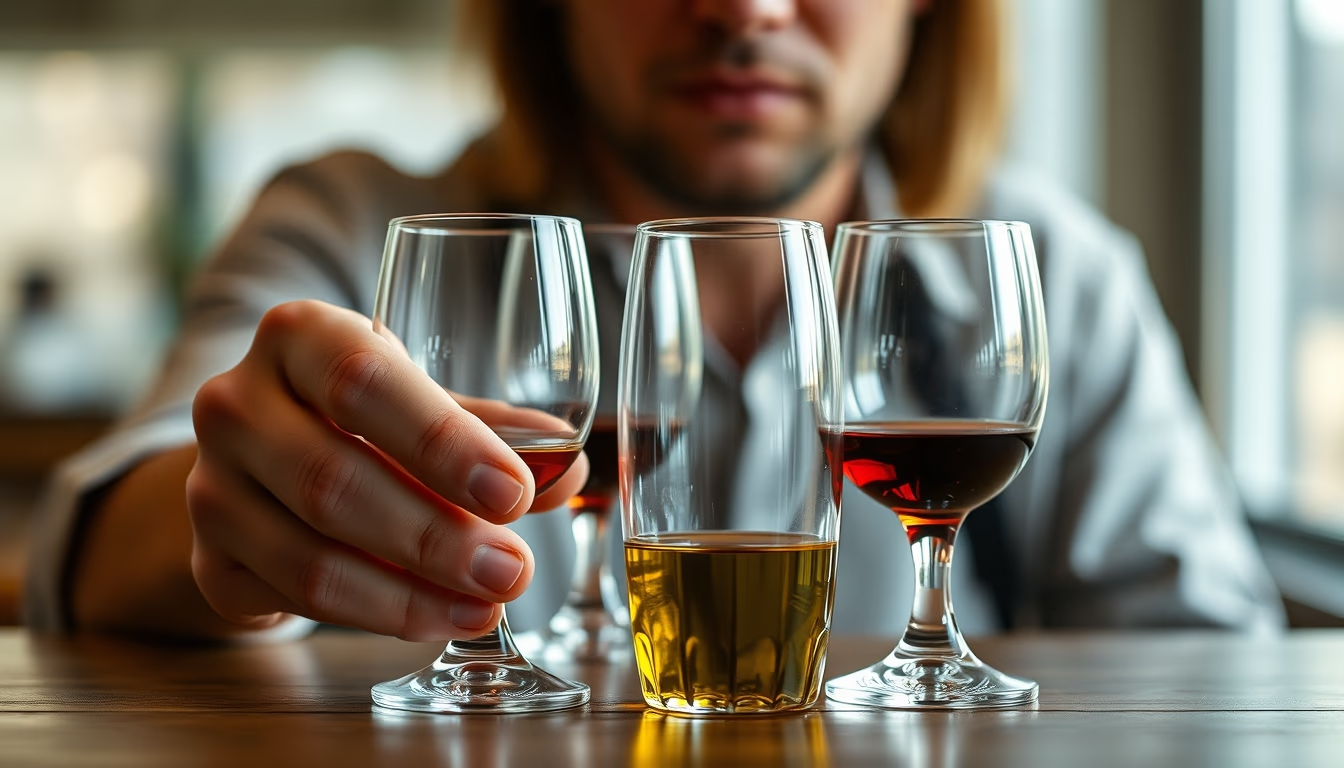
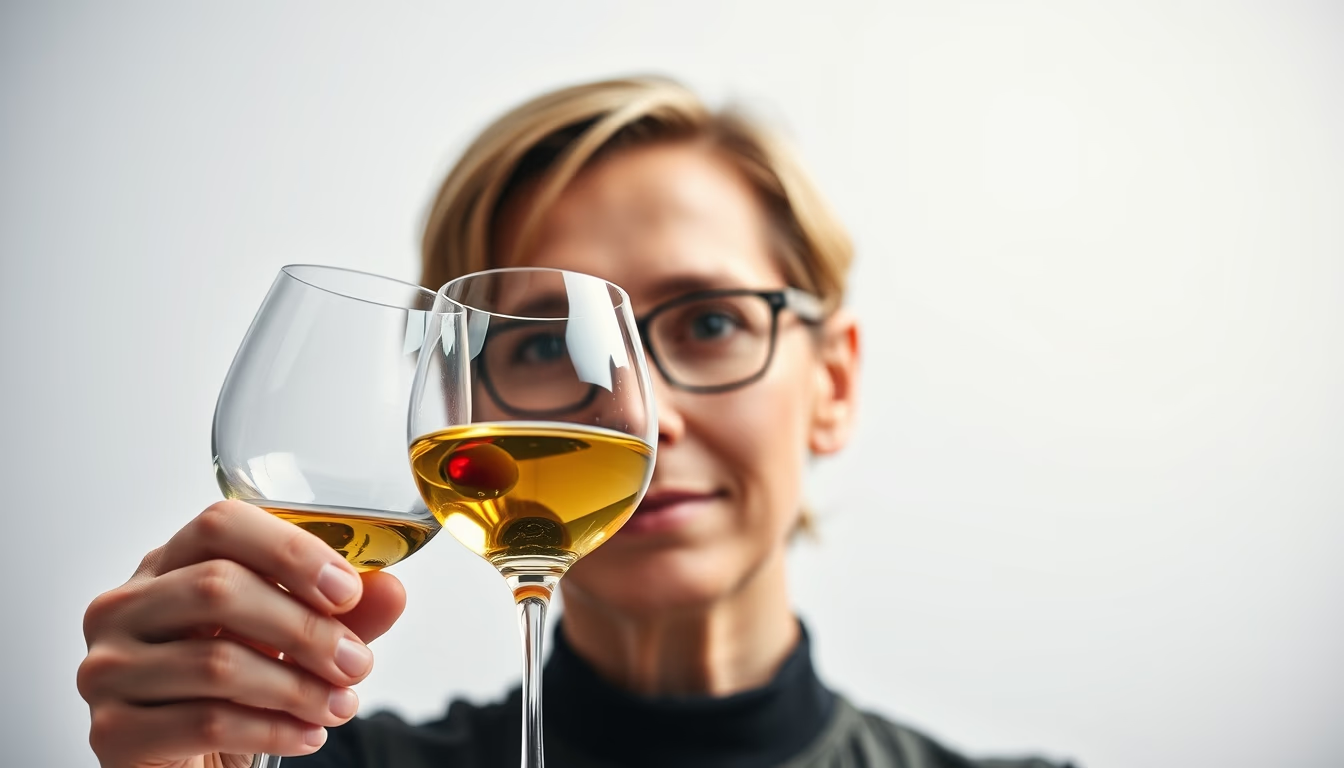
Special standardized blue glasses for olive oil tasting are essential for assessing aroma, flavor, and texture of olive oil.
About this subject
Olive oil tasting glasses are calibrated instruments for sensory analysis of olive oil. Unlike regular drinking glasses, they follow an international standard set by the International Olive Council (IOC) to ensure evaluation consistency. The design features a wide bowl that narrows at the top to retain volatile aromas, and a stem that prevents the oil from warming from the taster's hands.
The cobalt blue color of the glasses is not aesthetic: it prevents the assessor from being influenced by the oil's color, which can range from pale yellow to deep green. This forces focus solely on smell and taste, critical factors in classifying virgin and extra virgin olive oils. During a professional session, about 15 ml of oil is gently warmed in the glass (between 28°C and 30°C) to release volatile compounds, then the taster covers the top with one hand to swirl and inhale the aroma.
These glasses are used in international competitions, such as the International Extra Virgin Olive Oil Awards, and by producers seeking certification. The tulip shape and opaque frosted glass isolate external factors, ensuring purely sensory evaluation. Interestingly, the basic design has remained largely unchanged for decades, proving its reliability.
As olive oil appreciation grows globally, understanding the function of these glasses helps consumers better enjoy the nuances of quality oils, from fruity notes to bitter and peppery finishes.
Frequently Asked Questions
Why are olive oil tasting glasses blue?
The cobalt blue color prevents the taster from seeing the oil's color, avoiding visual bias. This ensures evaluation relies only on aroma and flavor, following International Olive Council standards.
What is the ideal temperature for tasting olive oil in the glass?
The oil should be warmed between 28°C and 30°C in the glass, typically by holding the bowl in your hands or using a specific heater. This releases volatile compounds without damaging sensory properties.
Can I use a regular glass instead of a tasting glass?
It is not recommended. Regular glasses lack the tulip shape that concentrates aromas and the stem to avoid heating. Transparent color also influences perception. For professional evaluation, a standardized tasting glass is essential.
Direct URL
https://pub-c7d6a6ea828543ac903a74a341ccb2e1.r2.dev/imagens/olive-oil-tasting-glasses-documentary-photography-p10.avifHow to credit
Include a visible link back to UtilizAí. Copy one of the snippets below:
<a href="https://xn--utiliza-eza.com/en/midia/imagens/olive-oil-tasting-glasses-documentary-photography-p10">Olive oil tasting glasses</a> by <a href="https://xn--utiliza-eza.com">UtilizAí</a>, licensed under <a href="https://creativecommons.org/licenses/by/4.0/">CC BY 4.0</a>.
[Olive oil tasting glasses](https://xn--utiliza-eza.com/en/midia/imagens/olive-oil-tasting-glasses-documentary-photography-p10) by [UtilizAí](https://xn--utiliza-eza.com), CC BY 4.0
License: CC-BY-4.0