Olive oil tasting glasses
1344×768 · AVIF · CC BY 4.0
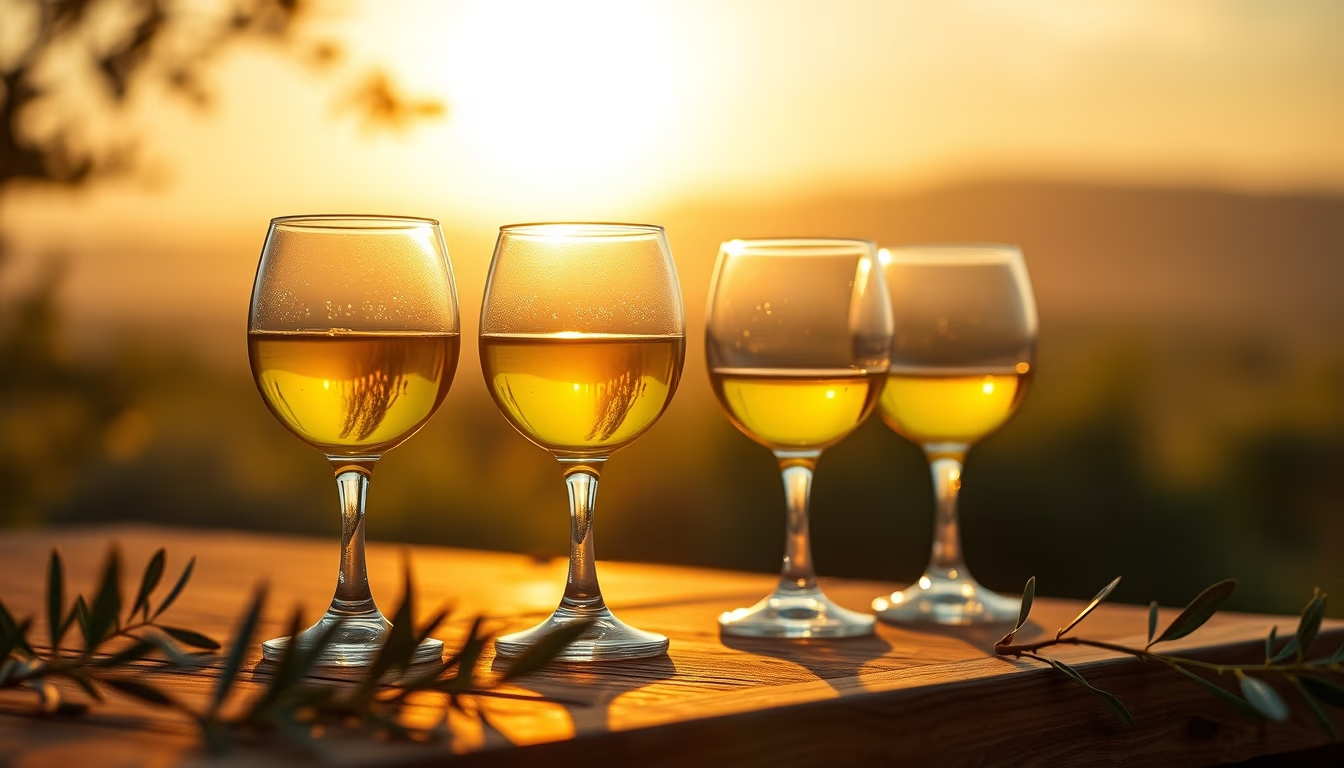
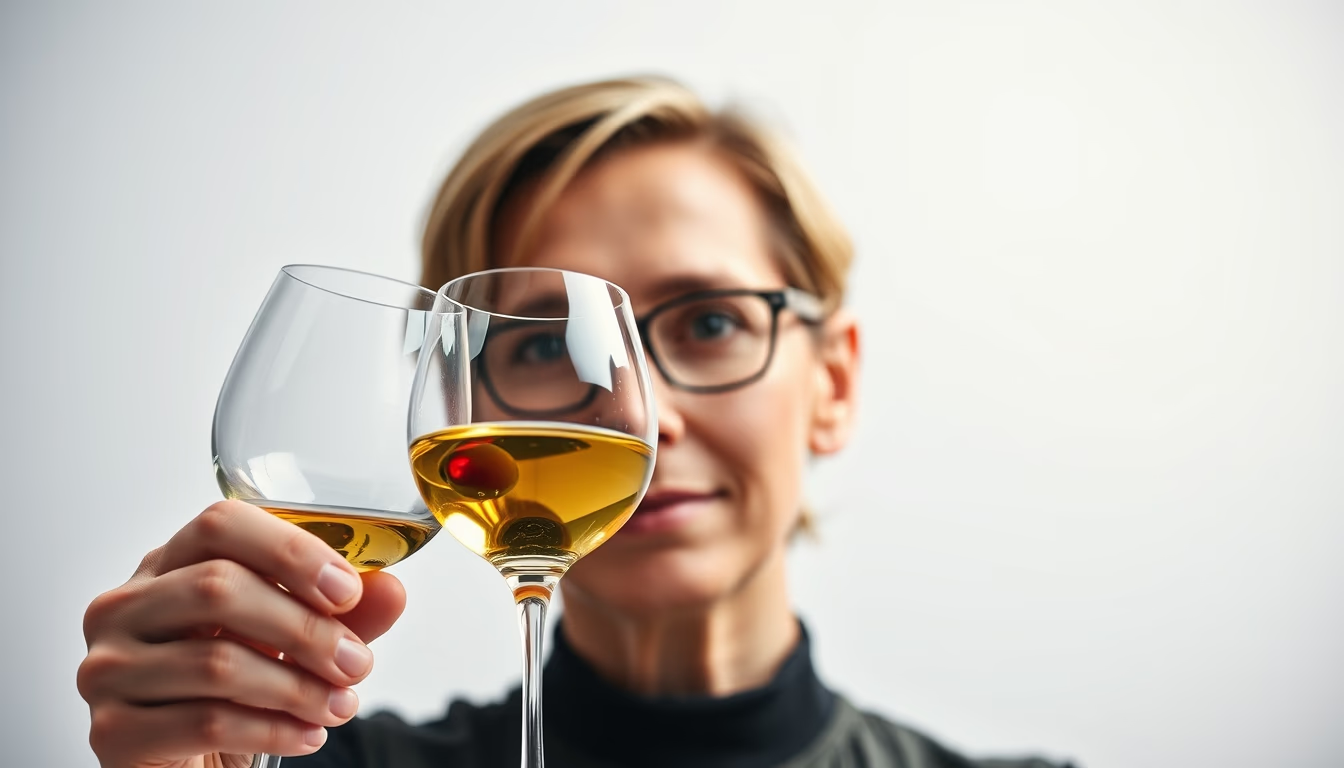
Specialized olive oil tasting glasses, typically made of cobalt blue glass, are essential for evaluating the color, aroma, and flavor of olive oil.
About this subject
Olive oil tasting glasses, known as ‘prosperità’ or ‘tulip glasses’, are made of cobalt blue glass. The blue color is not just aesthetic: it masks the oil’s color, preventing the taster from being influenced by the shade, which ranges from green to golden depending on olive variety and ripeness. The shape is critical: a wide base allows warming the oil with hands, and a narrow top concentrates volatile aromas. This design follows international standards from the International Olive Council (IOC).
The professional tasting protocol requires the oil to be served in a glass of about 30 ml capacity, covered by a watch glass to retain aromas. The taster warms the glass with hands, swirls the liquid, smells it without the cover, then sips to evaluate attributes like bitterness, pungency, and fruitiness. These glasses are also used in competitions and olive oil sommelier courses.
Olive oil tasting, or sensory analysis, has been practiced in the Mediterranean for centuries, but standardized glasses became common only in the 20th century. Cobalt blue glass blocks UV light, protecting the oil from oxidation during the test. The tulip shape enhances detection of sensory defects such as rancidity or mustiness, which are penalized in extra virgin olive oil classifications.
Today, these glasses are accessible to enthusiasts and sold in tasting kits, allowing consumers to conduct home tastings. The practice helps discern oil quality, especially in a market with significant differences between virgin and refined oils. The tasting ritual is also a cultural experience tied to Mediterranean gastronomy.
Frequently Asked Questions
Why are olive oil tasting glasses blue?
The cobalt blue glass masks the oil's color to avoid visual bias, and it blocks UV light that could oxidize the sample during tasting.
What is the ideal shape of a tasting glass?
The glass should have a wide base and a narrow top (tulip shape). The wide base allows hand-warming, and the narrow top concentrates aromas.
How is a professional olive oil tasting performed?
Warm the glass with hands, swirl the oil, smell without the lid, then sip. Assess characteristics like fruitiness, bitterness, and pungency.
Direct URL
https://pub-c7d6a6ea828543ac903a74a341ccb2e1.r2.dev/imagens/olive-oil-tasting-glasses-cinematic-wide-shot-p11.avifHow to credit
Include a visible link back to UtilizAí. Copy one of the snippets below:
<a href="https://xn--utiliza-eza.com/en/midia/imagens/olive-oil-tasting-glasses-cinematic-wide-shot-p11">Olive oil tasting glasses</a> by <a href="https://xn--utiliza-eza.com">UtilizAí</a>, licensed under <a href="https://creativecommons.org/licenses/by/4.0/">CC BY 4.0</a>.
[Olive oil tasting glasses](https://xn--utiliza-eza.com/en/midia/imagens/olive-oil-tasting-glasses-cinematic-wide-shot-p11) by [UtilizAí](https://xn--utiliza-eza.com), CC BY 4.0
License: CC-BY-4.0