Olive oil pouring from bottle
1344×768 · AVIF · CC BY 4.0
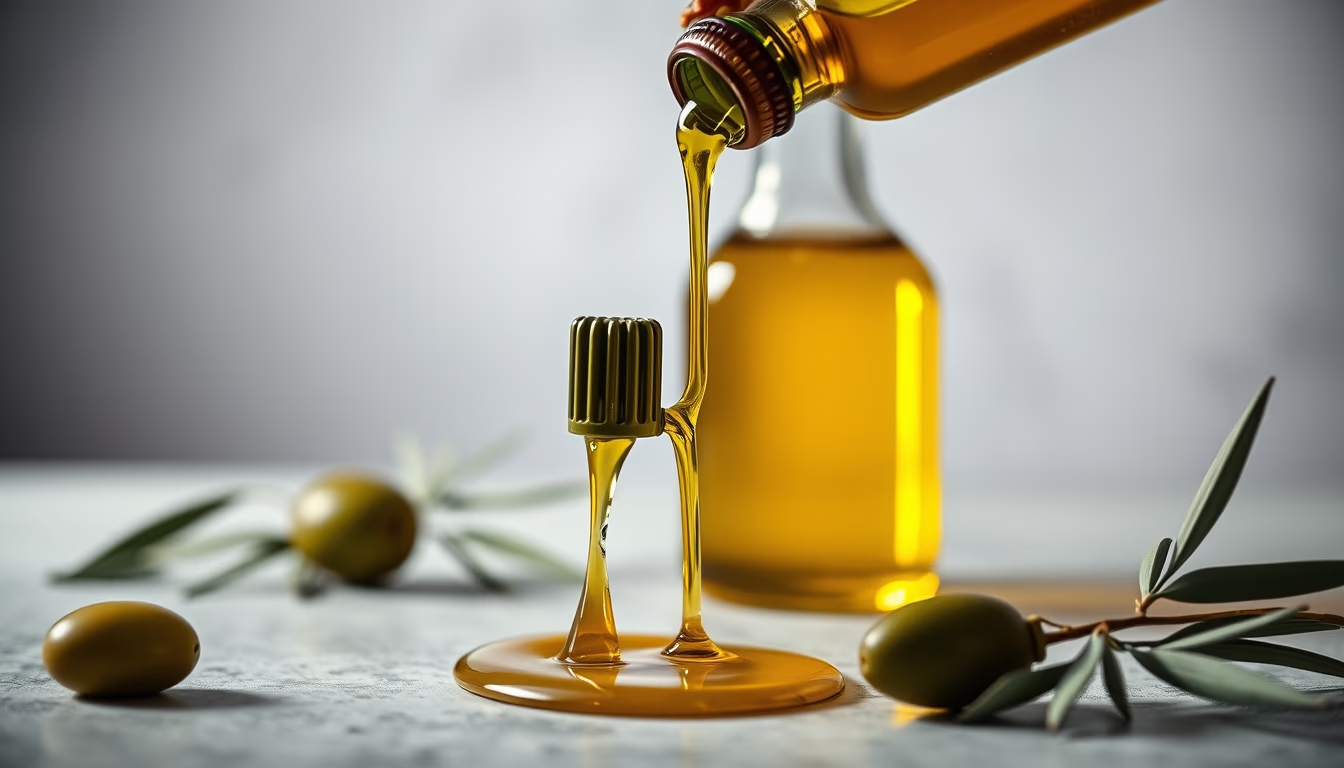
Olive oil pouring from a glass bottle, captured in a studio photography setting. The image highlights the fluidity and golden color of the oil.
About this subject
Olive oil is one of the oldest and most revered ingredients in Mediterranean cuisine, produced by pressing fresh olives. Cold mechanical extraction preserves phenolic compounds and monounsaturated fatty acids, responsible for its cardiovascular benefits. Extra virgin olive oil, with acidity below 0.8%, is the highest quality, while virgin (up to 2% acidity) and refined (chemically processed) grades follow. Spain, Italy, and Greece lead global production, but Brazil also cultivates olives in mild climates such as Serra da Mantiqueira (Minas Gerais) and southern regions, with artisanal producers increasingly winning international awards.
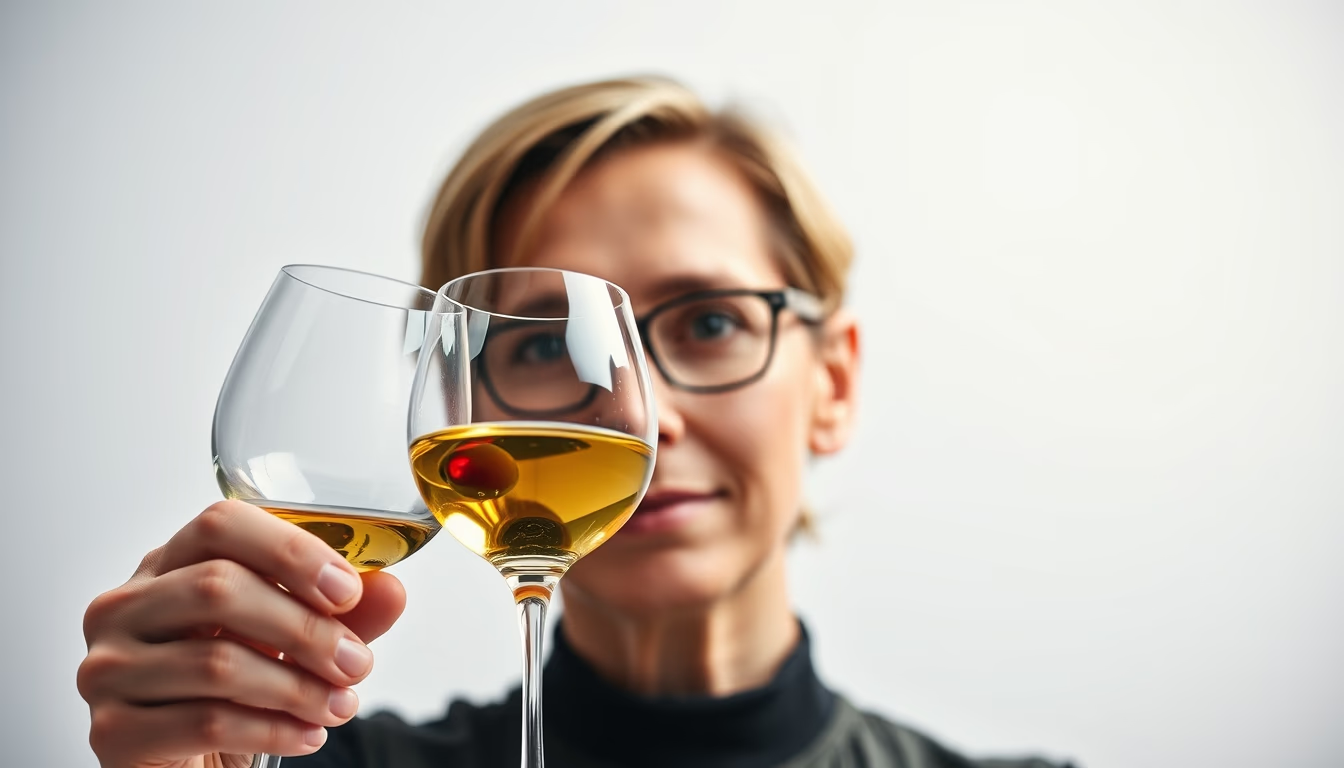
The oil's flow when poured reveals its viscosity, which varies by fatty acid composition: higher oleic acid content makes it thicker. Tasters observe color (from deep green to golden yellow) and aroma (fruity, bitter, pungent) as freshness and quality indicators. In 2023, world production reached about 2.6 million metric tons, but climate change has affected Mediterranean harvests, causing price fluctuations and encouraging cultivation in new regions like Australia and South America.
Culturally, olive oil symbolizes peace, purity, and health since antiquity. It was used in oil lamps, religious rituals (e.g., anointing kings), and daily meals. In modern gastronomy, extra virgin olive oil stars in salad dressings, dish finishes, and even desserts like brownies and ice cream, where its fruity flavor contrasts with sweetness. Pairing with cheeses, breads, and dried fruits is classic. Rich in vitamin E and antioxidants, olive oil helps reduce inflammation and chronic disease risk.
Frequently Asked Questions
What is the difference between extra virgin and virgin olive oil?
Extra virgin olive oil has a maximum acidity of 0.8% and is obtained by cold mechanical processes without chemicals. Virgin olive oil has acidity up to 2.0% and is also mechanically extracted, but of lower quality. Both are unrefined.
How should olive oil be stored properly?
Store in a cool, dark place away from heat sources, in a dark glass or tin container. Avoid exposure to air and light, which accelerate oxidation. Consume within 12 months of harvest.
Is Brazilian olive oil of good quality?
Yes. Regions like Minas Gerais and Rio Grande do Sul produce extra virgin oils that have been winning international awards, such as at the 'EVOO World Ranking'. Production is still small, but quality is recognized.
Direct URL
https://pub-c7d6a6ea828543ac903a74a341ccb2e1.r2.dev/imagens/olive-oil-pouring-from-bottle-studio-still-life-p11.avifHow to credit
Include a visible link back to UtilizAí. Copy one of the snippets below:
<a href="https://xn--utiliza-eza.com/en/midia/imagens/olive-oil-pouring-from-bottle-studio-still-life-p11">Olive oil pouring from bottle</a> by <a href="https://xn--utiliza-eza.com">UtilizAí</a>, licensed under <a href="https://creativecommons.org/licenses/by/4.0/">CC BY 4.0</a>.
[Olive oil pouring from bottle](https://xn--utiliza-eza.com/en/midia/imagens/olive-oil-pouring-from-bottle-studio-still-life-p11) by [UtilizAí](https://xn--utiliza-eza.com), CC BY 4.0
License: CC-BY-4.0