Olive oil pouring from bottle
1344×768 · AVIF · CC BY 4.0
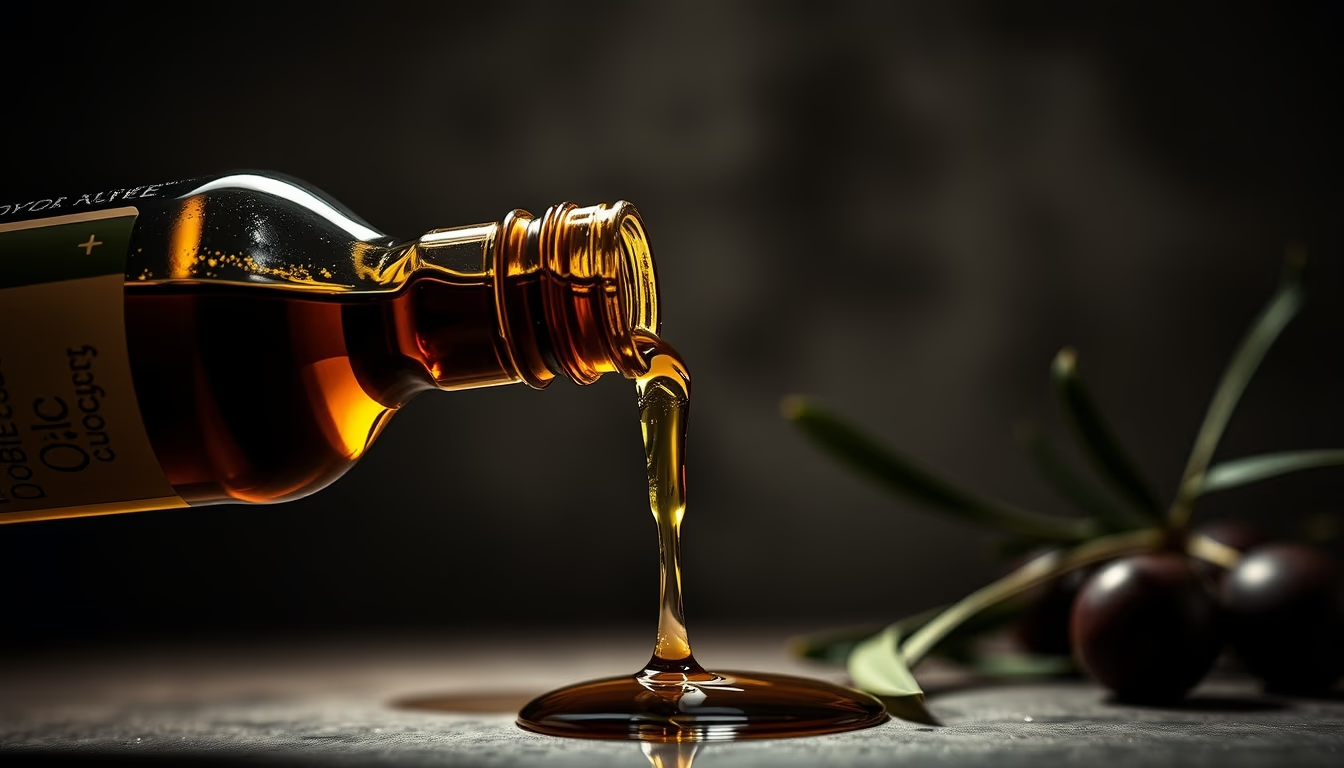
Olive oil, extracted from olives, is a cornerstone of the Mediterranean diet, with Brazilian production expanding in mild-climate regions.
About this subject
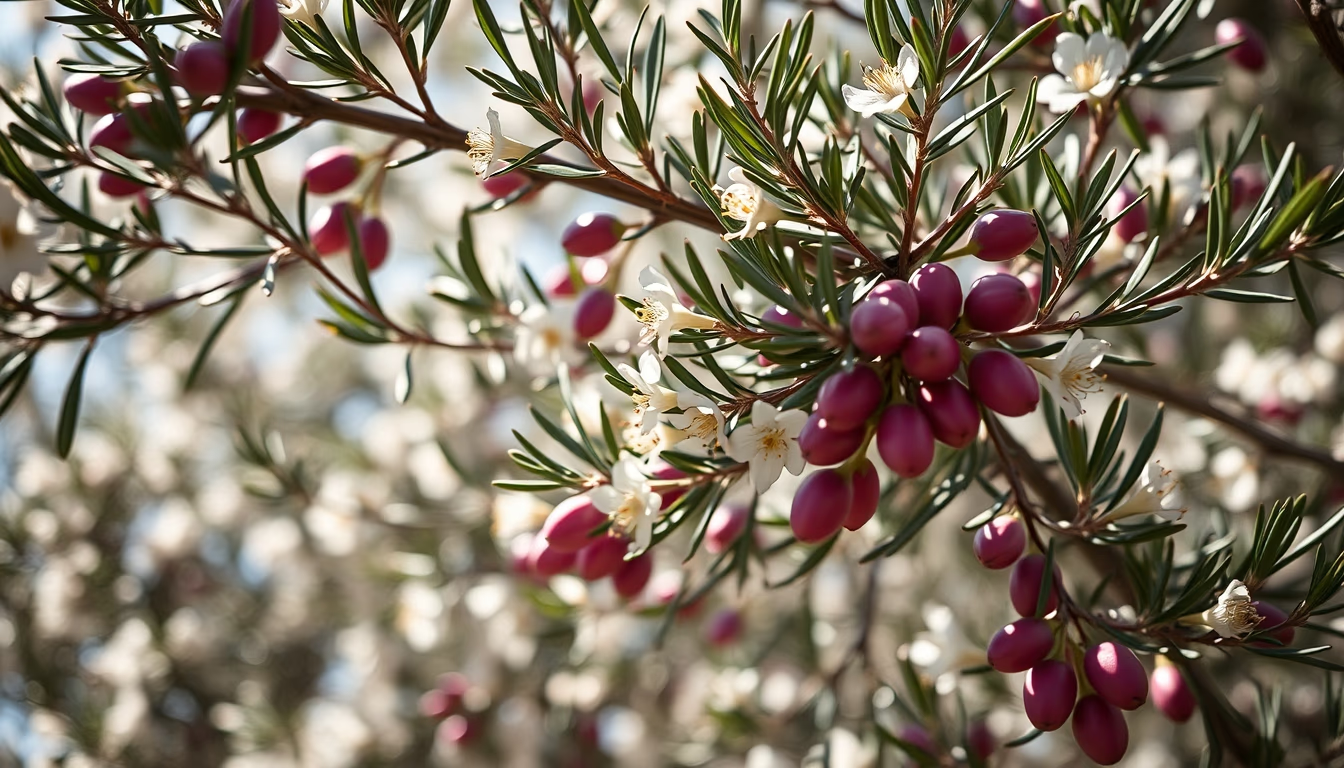
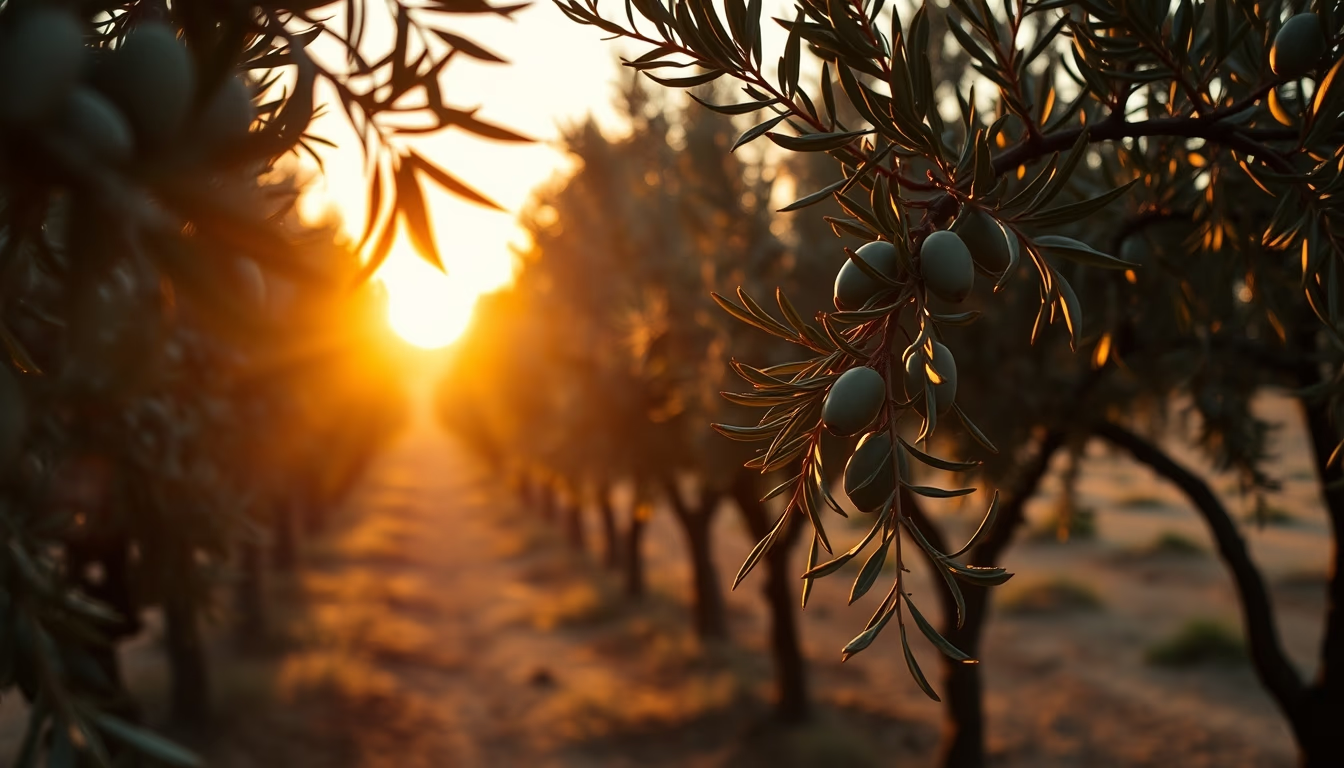
Olive oil is a vegetable oil obtained by pressing olives, the fruit of the olive tree (Olea europaea). Its history spans millennia, with evidence of cultivation in the Eastern Mediterranean since 6000 BC. Today, global production exceeds 3 million tons annually, led by Spain, Italy, and Greece. Brazil, despite importing about 90% of its olive oil, has been expanding its olive cultivation, especially in the Serra da Mantiqueira and Rio Grande do Sul. The Arbequina cultivar, originally Spanish, adapts well to Brazil's subtropical climate, producing fruity and slightly peppery oils.
Extraction can be cold-pressed (mechanical extraction below 27°C) or hot-pressed, with the former preserving phenolic compounds and antioxidants. Extra virgin olive oil has a maximum free acidity of 0.8%, indicating high quality. In Brazil, the Associação Brasileira de Produtores de Azeite de Oliva (Oliva) certifies domestic products, and events like Expoliveira promote olive culture. Interestingly, olive trees can live for centuries, some in the Mediterranean region are over 2000 years old.
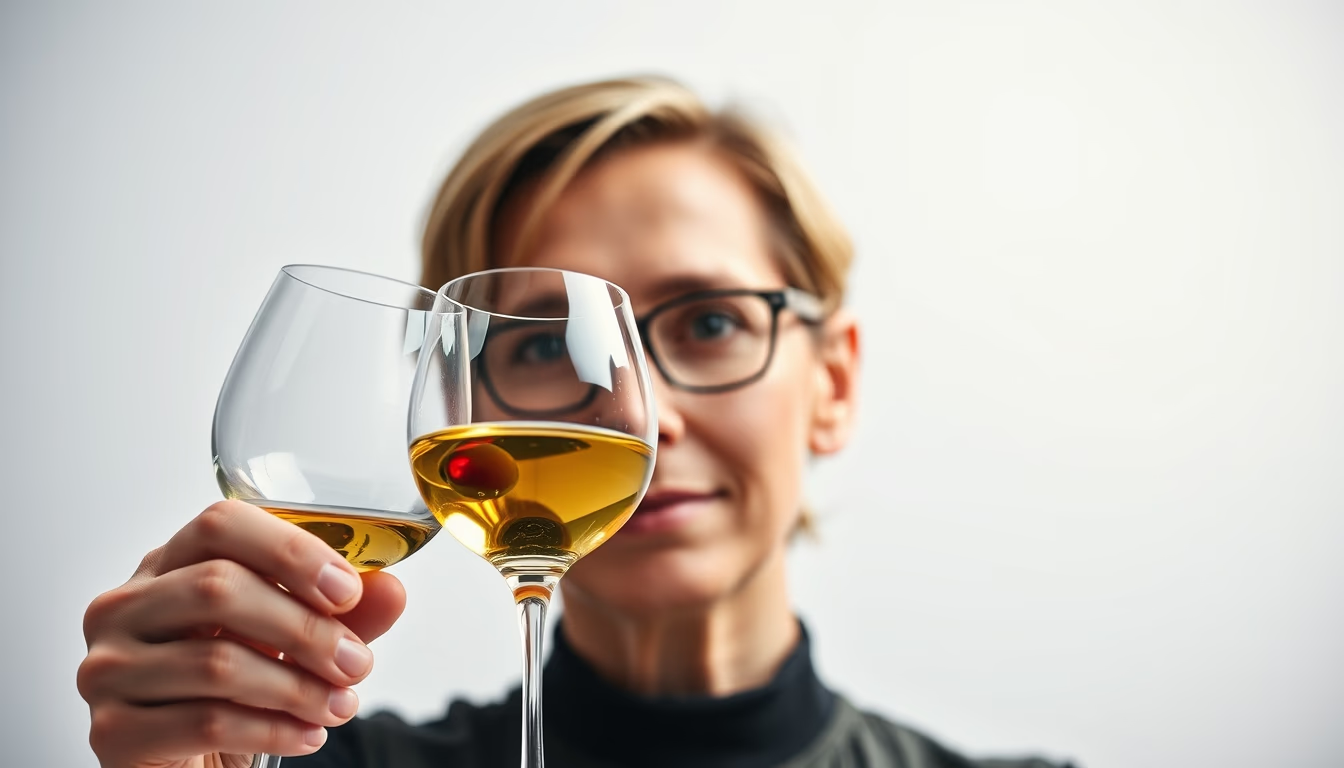
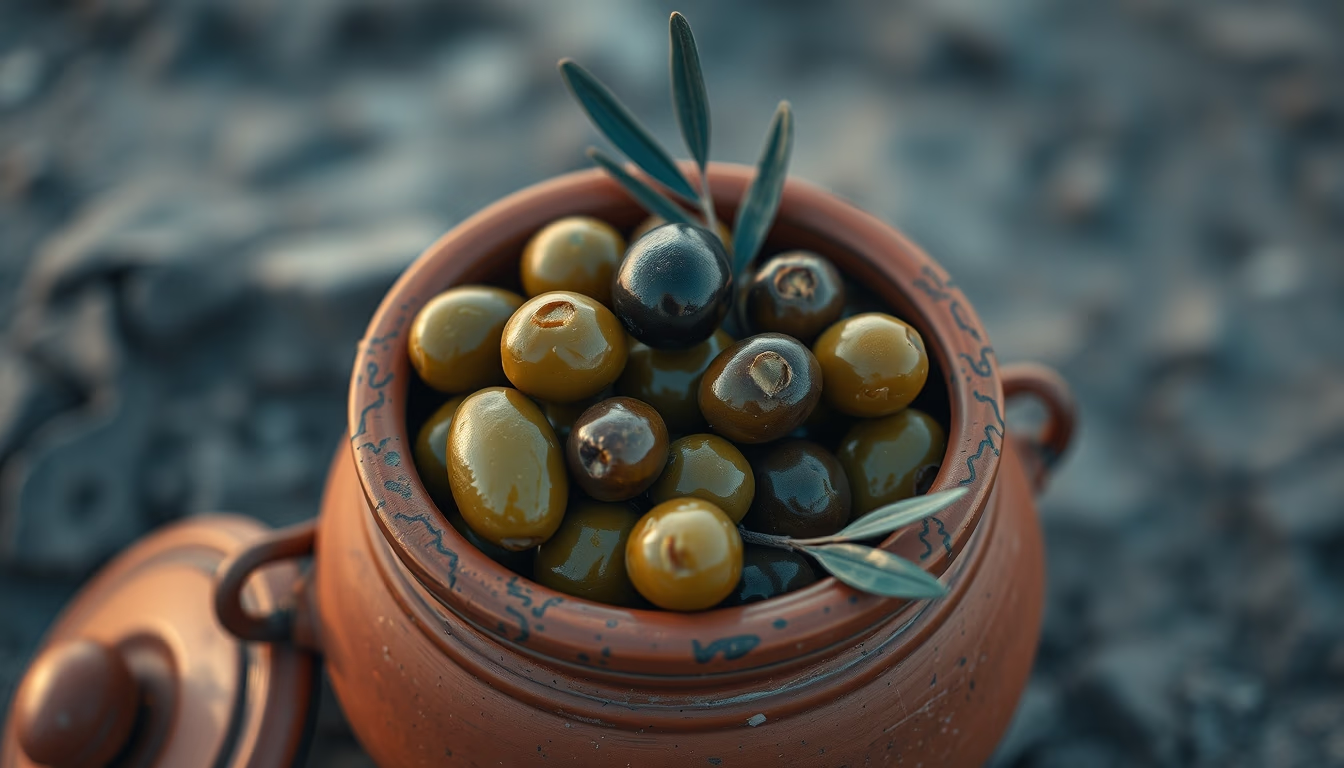
For consumers, the ideal oil depends on use: extra virgin for salads and finishing, refined for frying. Color ranges from intense green (green olives) to golden (ripe olives). Store in a cool, dark place to prevent oxidation. Brazil also produces flavored oils with local herbs, such as rosemary and pink pepper, enhancing its gastronomic identity.
Frequently Asked Questions
What is the difference between extra virgin and virgin olive oil?
Extra virgin olive oil has a maximum acidity of 0.8% and is obtained by cold mechanical processes, preserving flavor and antioxidants. Virgin olive oil has acidity up to 2% and may have minor sensory defects.
How to identify quality olive oil on the label?
Look for 'extra virgin', a recent harvest date (ideally within 18 months), specific origin, and a certification seal. In Brazil, the seal from the Brazilian Olive Oil Producers Association (Oliva) indicates quality.
Is it possible to produce olive oil in Brazil?
Yes, especially in the highlands of the Southeast and South. The Arbequina cultivar is most common. Brazilian production is still small but grows about 20% per year, winning international awards.
Direct URL
https://pub-c7d6a6ea828543ac903a74a341ccb2e1.r2.dev/imagens/olive-oil-pouring-from-bottle-fine-art-photography-p2.avifHow to credit
Include a visible link back to UtilizAí. Copy one of the snippets below:
<a href="https://xn--utiliza-eza.com/en/midia/imagens/olive-oil-pouring-from-bottle-fine-art-photography-p2">Olive oil pouring from bottle</a> by <a href="https://xn--utiliza-eza.com">UtilizAí</a>, licensed under <a href="https://creativecommons.org/licenses/by/4.0/">CC BY 4.0</a>.
[Olive oil pouring from bottle](https://xn--utiliza-eza.com/en/midia/imagens/olive-oil-pouring-from-bottle-fine-art-photography-p2) by [UtilizAí](https://xn--utiliza-eza.com), CC BY 4.0
License: CC-BY-4.0