Olive leaf macro detail
1344×768 · AVIF · CC BY 4.0
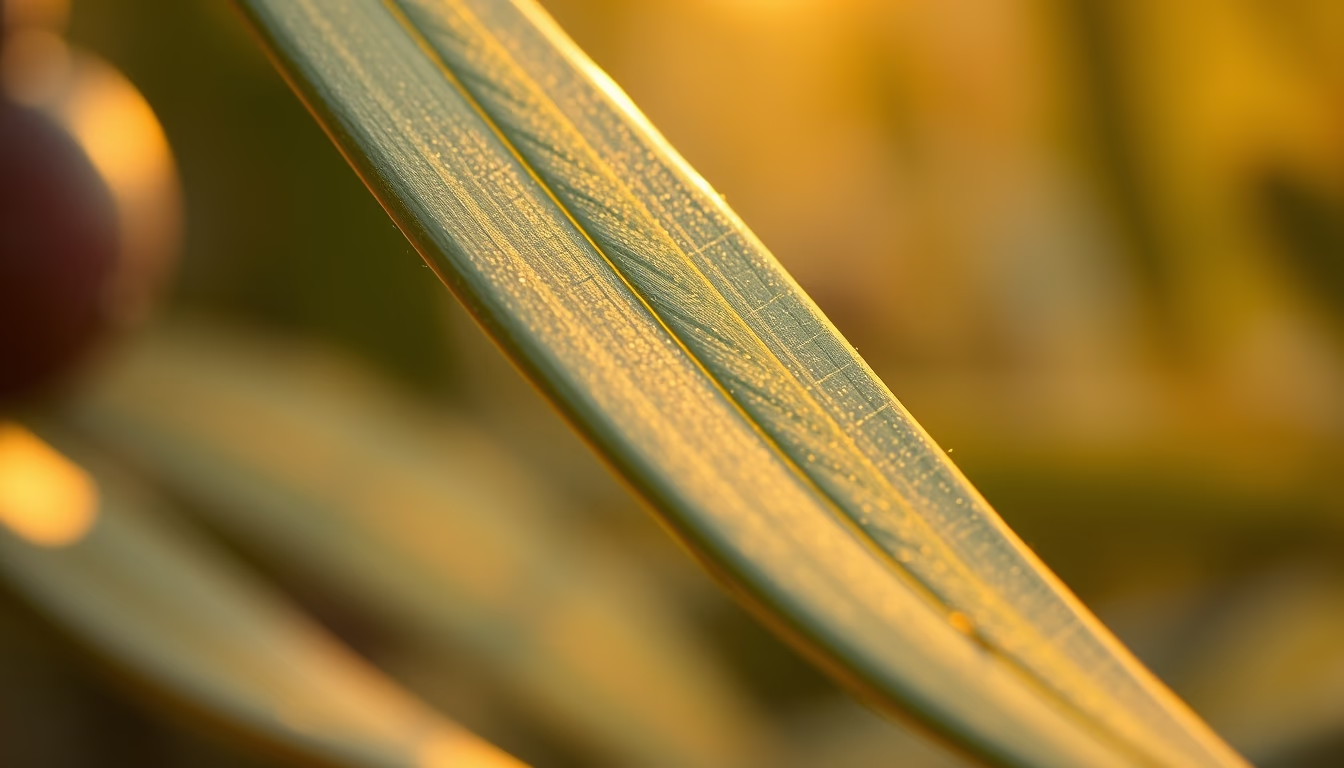
The olive leaf reveals fascinating microscopic details, such as reticulate veins and trichomes that reflect light, indicating adaptation to dry climates.
About this subject
Olive leaves (Olea europaea) are evergreen, leathery, and lanceolate in shape, measuring 4 to 10 cm in length. Their upper surface is dark green and smooth, while the underside is silvery due to a dense covering of trichomes and peltate scales. This feature is crucial for survival in arid Mediterranean regions, as it reduces water loss through evaporation. The veins are reticulate, with a prominent central vein.
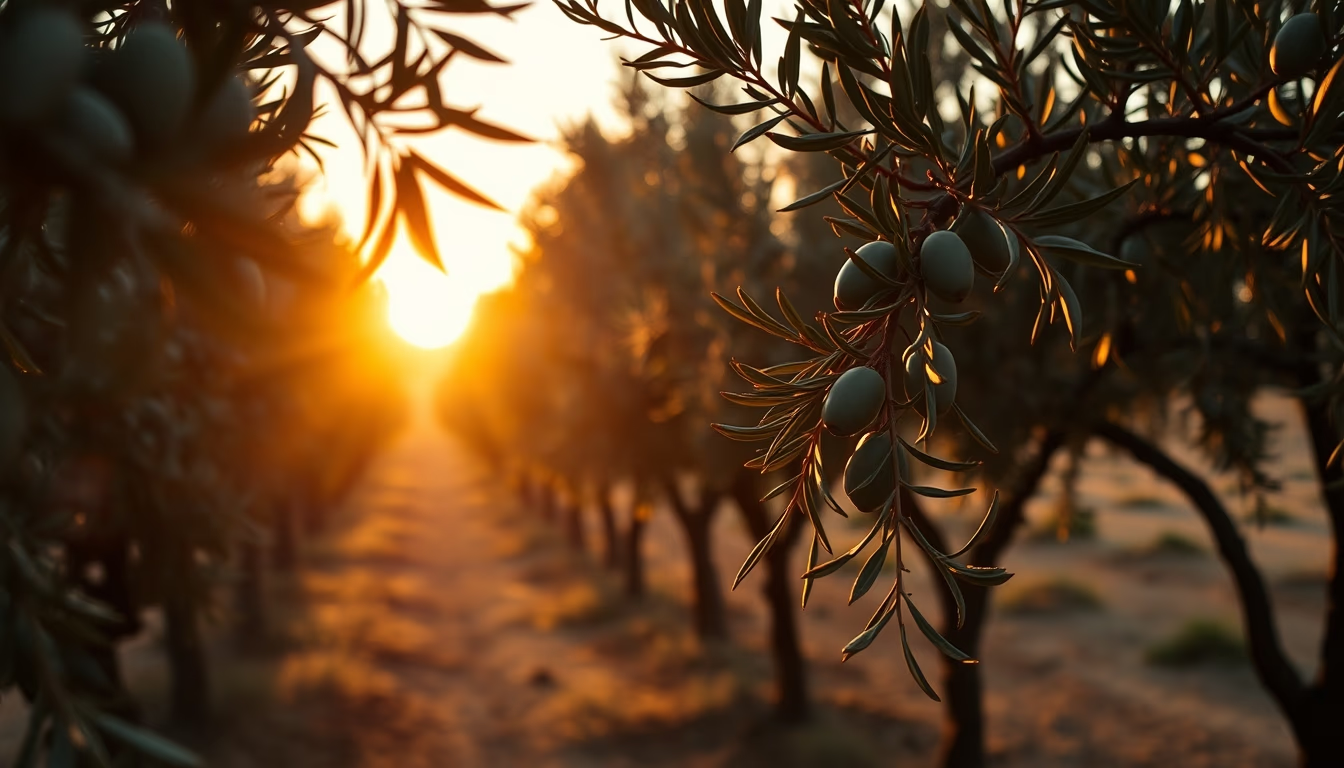
In agriculture, the olive tree has been cultivated for over 6,000 years for olives and oil. In Brazil, olive cultivation is expanding, especially in Minas Gerais, Rio Grande do Sul, and São Paulo, where mild climates favor growth. Fallen leaves are used as organic fertilizer and soil cover, contributing to nutrient cycling.
Olive leaves have a traditional medicinal use in teas and extracts. Studies indicate they contain oleuropein, a phenolic compound with antioxidant, anti-inflammatory, and hypotensive properties. Research suggests that regular consumption of olive leaf extract can help control blood pressure and reduce LDL cholesterol.
An interesting fact: centuries-old olive trees still produce healthy leaves. The tree's longevity is linked to the leaves' resistance to pathogens and water stress. Under drought conditions, leaves close their stomata and increase wax production, minimizing transpiration.
Frequently Asked Questions
Why are olive leaves silvery on the underside?
The silvery color comes from trichomes and scales that reflect sunlight, helping to reduce water loss and protect the plant from excessive heat.
How to prepare olive leaf tea?
Wash and dry fresh leaves, then lightly crush them. Add one teaspoon of chopped leaves to a cup of boiling water and steep for 5 to 10 minutes. Strain before drinking.
Where can olive trees be found in Brazil?
Olive trees are mainly cultivated in regions with mild climates and moderate altitude, such as Minas Gerais (Serra da Mantiqueira area), Rio Grande do Sul, and São Paulo.
Direct URL
https://pub-c7d6a6ea828543ac903a74a341ccb2e1.r2.dev/imagens/olive-leaf-macro-detail-travel-photography-p0.avifHow to credit
Include a visible link back to UtilizAí. Copy one of the snippets below:
<a href="https://xn--utiliza-eza.com/en/midia/imagens/olive-leaf-macro-detail-travel-photography-p0">Olive leaf macro detail</a> by <a href="https://xn--utiliza-eza.com">UtilizAí</a>, licensed under <a href="https://creativecommons.org/licenses/by/4.0/">CC BY 4.0</a>.
[Olive leaf macro detail](https://xn--utiliza-eza.com/en/midia/imagens/olive-leaf-macro-detail-travel-photography-p0) by [UtilizAí](https://xn--utiliza-eza.com), CC BY 4.0
License: CC-BY-4.0