Olive leaf macro detail
1344×768 · AVIF · CC BY 4.0
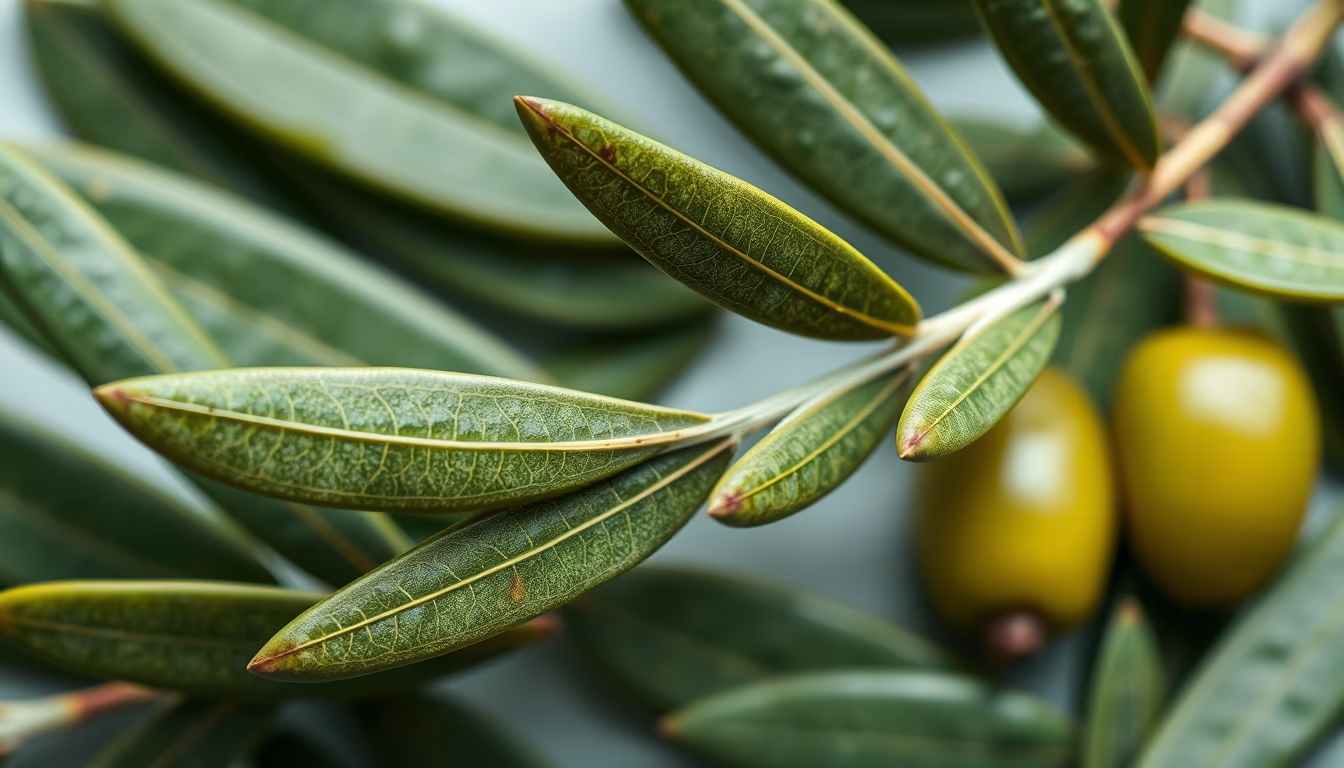
The olive leaf, symbol of peace and wisdom, reveals complex morphological details and importance in Mediterranean agriculture.
About this subject
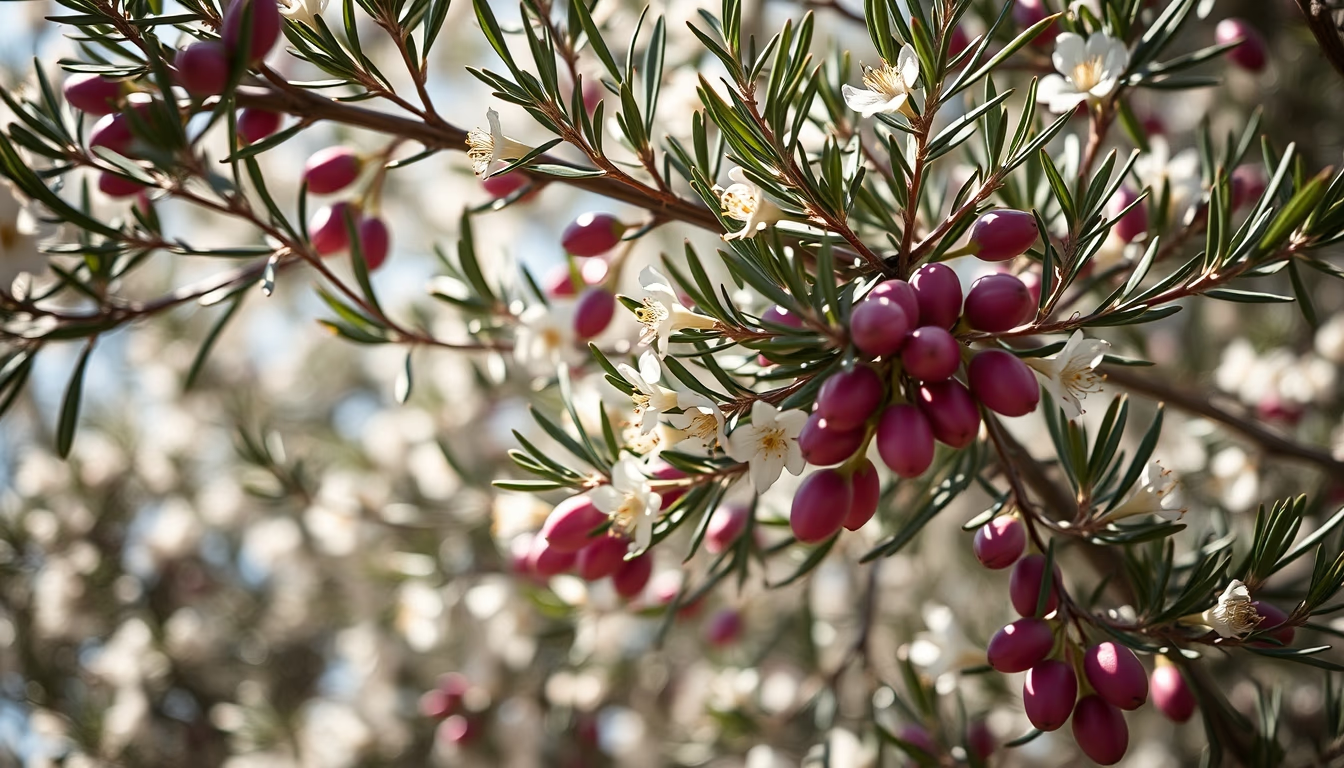
The olive leaf (Olea europaea) has a lanceolate shape with entire margins and a pointed tip. Its upper side is grayish-green, while the lower side is lighter and covered with peltate trichomes that reduce water loss and protect against herbivores. The thick cuticle provides drought resistance, an essential adaptation to the Mediterranean climate. These leaves are evergreen, renewing every two to three years, and their opposite arrangement on the branches maximizes sunlight capture.
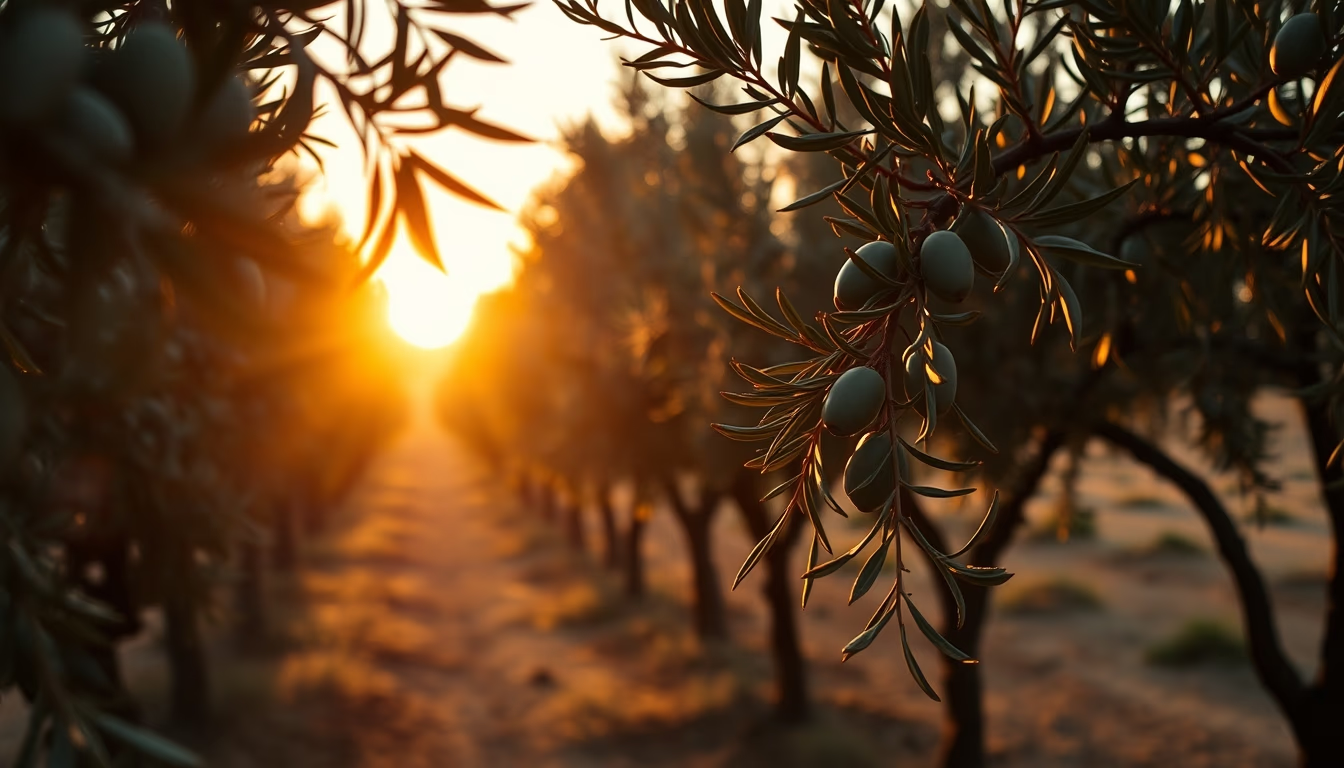
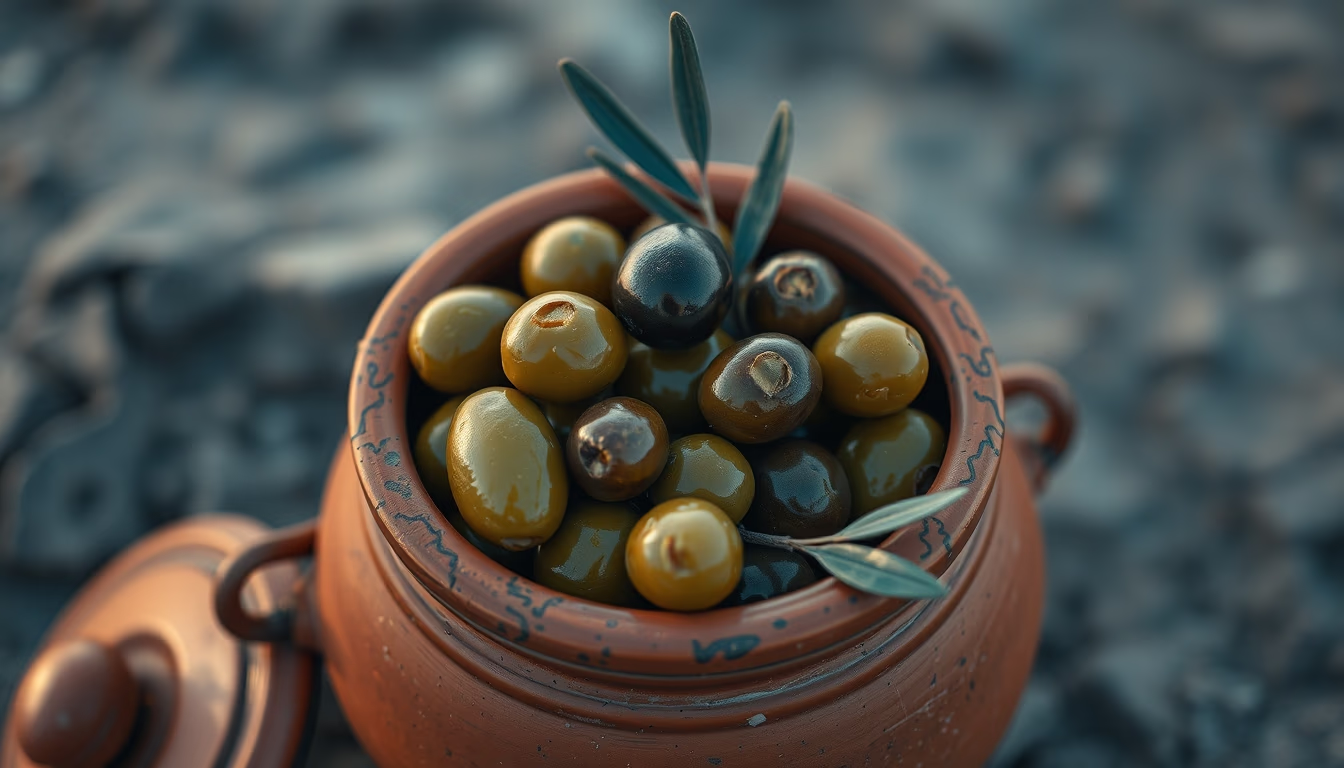
In agriculture, olive trees have been cultivated for over 6,000 years in the Mediterranean Basin, with Portugal, Spain, Italy, and Greece among the largest producers. Proper pruning of leaves influences olive quality and oil production. The leaves are also used to feed sheep and goats, and in medicinal teas thanks to oleuropein, a phenolic compound with antioxidant, anti-inflammatory, and hypotensive properties. Studies indicate that olive leaf extracts may help control cholesterol and blood sugar levels.
Culturally, the olive branch is one of the oldest symbols of peace, present in Greek mythology (Athena's gift to Athens) and on the flag of the United Nations. In Ancient Greece, wreaths of olive leaves crowned Olympic victors. The tree is considered sacred in many cultures, representing longevity, fertility, and prosperity. Today, olive cultivation generates billions of dollars annually, with notable varieties such as Arbequina, Koroneiki, and Picual.
Interestingly, the lower leaf surface, when observed under a microscope, reveals kidney-shaped stomata that control gas exchange. The leaf is also rich in tannins and flavonoids, used in the cosmetics industry. The tree can live over a thousand years, like the Olive Tree of the Mount of Olives in Jerusalem, and its fallen leaves form an excellent natural fertilizer, closing the nutrient cycle in the soil.
Frequently Asked Questions
What are the main botanical characteristics of the olive leaf?
The olive leaf is lanceolate with entire margins and a pointed tip. It has a grayish-green upper surface and a lighter lower surface covered with peltate trichomes. The thick cuticle provides drought resistance.
How are olive leaves used beyond photosynthesis?
They are used as animal feed, in medicinal teas rich in oleuropein (an antioxidant), in the cosmetics industry, and as organic fertilizer. Leaf extracts also show therapeutic potential for hypertension and diabetes.
What is the cultural significance of the olive branch?
It symbolizes peace and victory since Ancient Greece, where olive wreaths crowned Olympic athletes. Featured on the UN flag, it also represents longevity and prosperity in various cultures.
Direct URL
https://pub-c7d6a6ea828543ac903a74a341ccb2e1.r2.dev/imagens/olive-leaf-macro-detail-isometric-flat-lay-p8.avifHow to credit
Include a visible link back to UtilizAí. Copy one of the snippets below:
<a href="https://xn--utiliza-eza.com/en/midia/imagens/olive-leaf-macro-detail-isometric-flat-lay-p8">Olive leaf macro detail</a> by <a href="https://xn--utiliza-eza.com">UtilizAí</a>, licensed under <a href="https://creativecommons.org/licenses/by/4.0/">CC BY 4.0</a>.
[Olive leaf macro detail](https://xn--utiliza-eza.com/en/midia/imagens/olive-leaf-macro-detail-isometric-flat-lay-p8) by [UtilizAí](https://xn--utiliza-eza.com), CC BY 4.0
License: CC-BY-4.0