Olive leaf macro detail
1344×768 · AVIF · CC BY 4.0
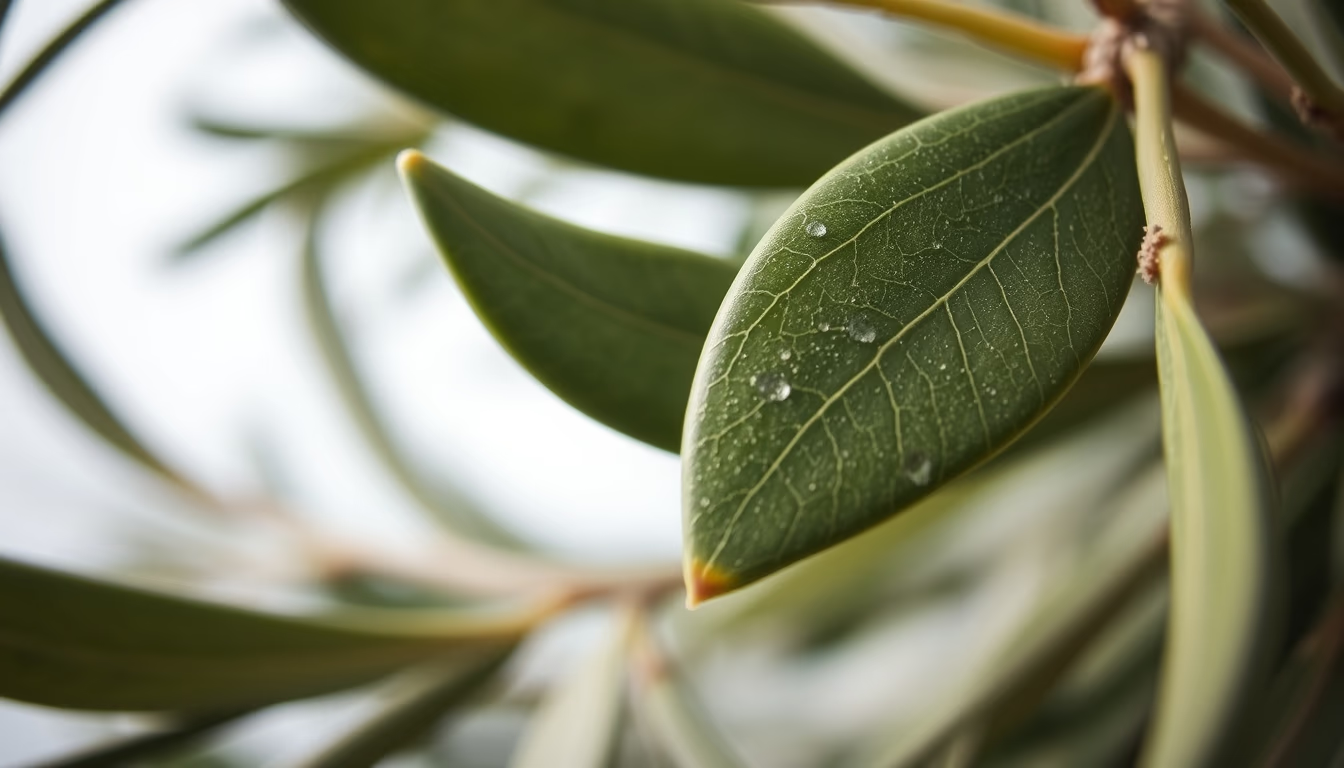
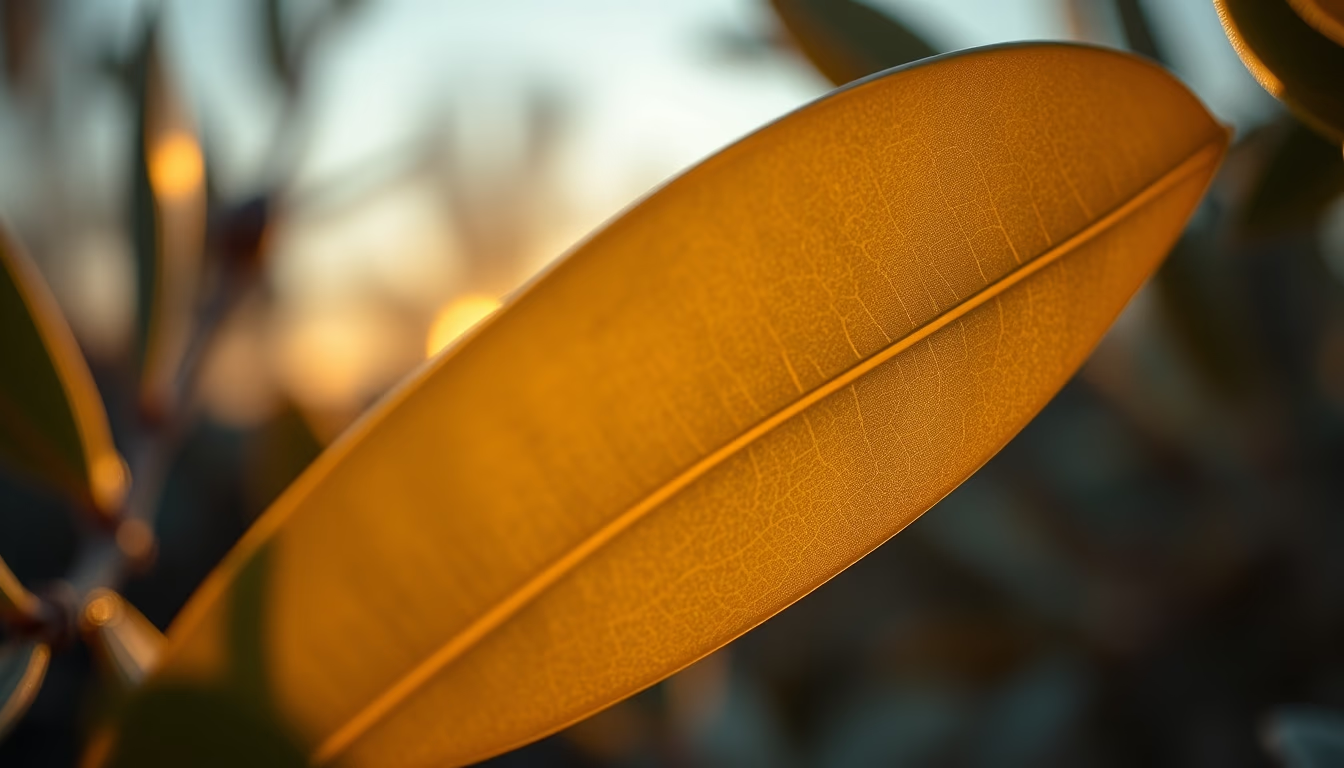
Macro detail of an olive leaf (Olea europaea), revealing the distinctive texture and veins of this ancient Mediterranean species.
About this subject
The olive leaf (Olea europaea) is a structure adapted to the Mediterranean climate, with a lanceolate shape, entire margins, and a grayish-green color on the upper surface. The surface is covered by trichomes (hairs) that give it a silvery hue, especially on the underside. These adaptations reduce water loss through transpiration, crucial for survival during dry summers.
Each leaf is divided by a pronounced central vein, from which secondary veins branch out to form a reticulate network. The thick cuticle and stomata (pores) mainly located on the underside control gas exchange. The olive tree is evergreen, meaning it retains its leaves year-round, gradually renewing them every two to three years.
Leaves play a key role in photosynthesis, providing energy for olive production. Additionally, they are rich in phenolic compounds, such as oleuropein, which confer antioxidant and antimicrobial properties. In Mediterranean culture, the olive branch has been a symbol of peace since antiquity, and leaves are used in teas and medicinal extracts.
Today, olive leaf extract is marketed as a dietary supplement, studied for potential health benefits including blood pressure reduction and immune system support. In gastronomy, fresh or dried leaves can flavor dishes, though they are less common than olive oil.
Frequently Asked Questions
Why do olive leaves have a grayish color?
The grayish or silvery color is due to thousands of microscopic hairs (trichomes) on the leaf surface, which reflect light and help reduce water loss, protecting the plant from intense heat.
Are olive leaves used in cooking?
Yes, leaves can be used in teas, infusions, and as seasoning for dishes, but the main commercial use is extracting oleuropein for supplements and herbal remedies.
What is the historical significance of olive trees and their leaves?
The olive tree is a symbol of peace and wisdom since Ancient Greece, where crowns of olive branches were awarded to Olympic victors. The leaves were also used in rituals and traditional medicine.
Direct URL
https://pub-c7d6a6ea828543ac903a74a341ccb2e1.r2.dev/imagens/olive-leaf-macro-detail-fish-eye-wide-angle-p9.avifHow to credit
Include a visible link back to UtilizAí. Copy one of the snippets below:
<a href="https://xn--utiliza-eza.com/en/midia/imagens/olive-leaf-macro-detail-fish-eye-wide-angle-p9">Olive leaf macro detail</a> by <a href="https://xn--utiliza-eza.com">UtilizAí</a>, licensed under <a href="https://creativecommons.org/licenses/by/4.0/">CC BY 4.0</a>.
[Olive leaf macro detail](https://xn--utiliza-eza.com/en/midia/imagens/olive-leaf-macro-detail-fish-eye-wide-angle-p9) by [UtilizAí](https://xn--utiliza-eza.com), CC BY 4.0
License: CC-BY-4.0