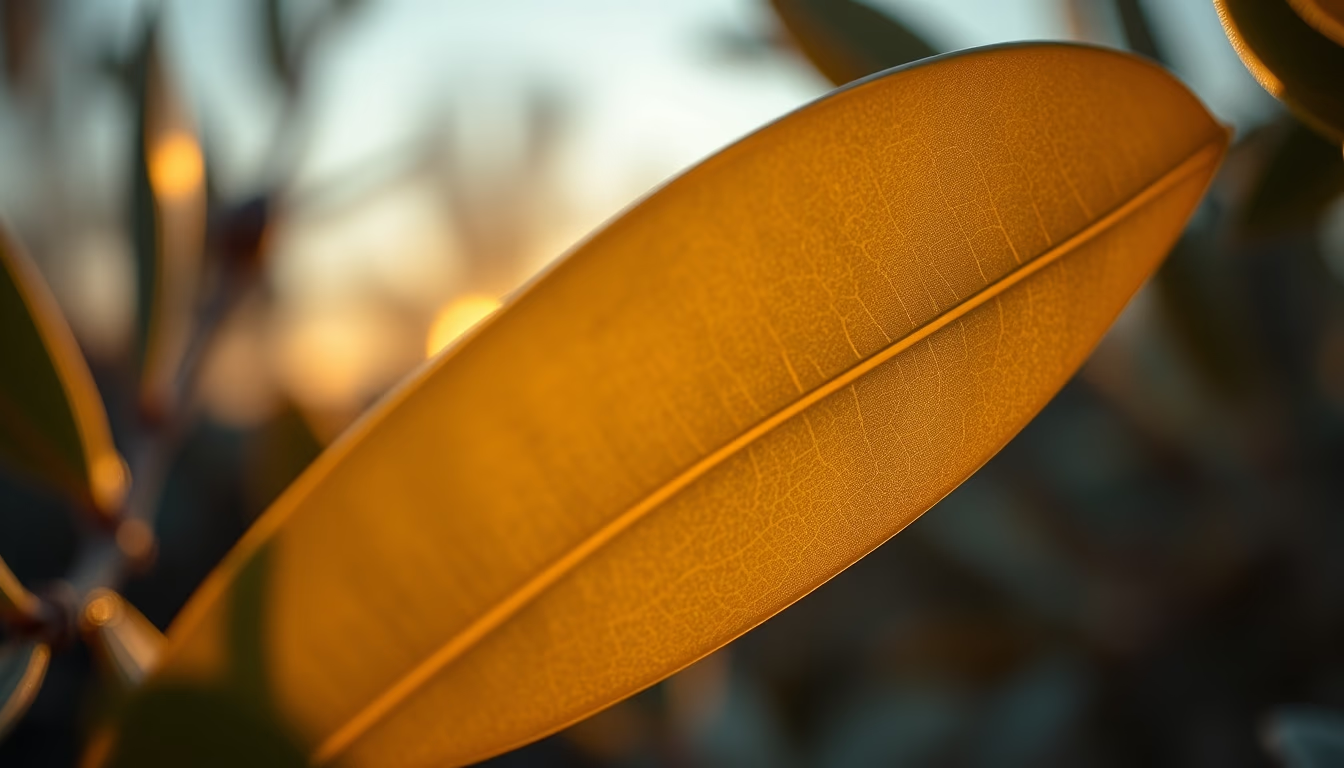
Olive leaf macro detail
1344×768 · AVIF · CC BY 4.0
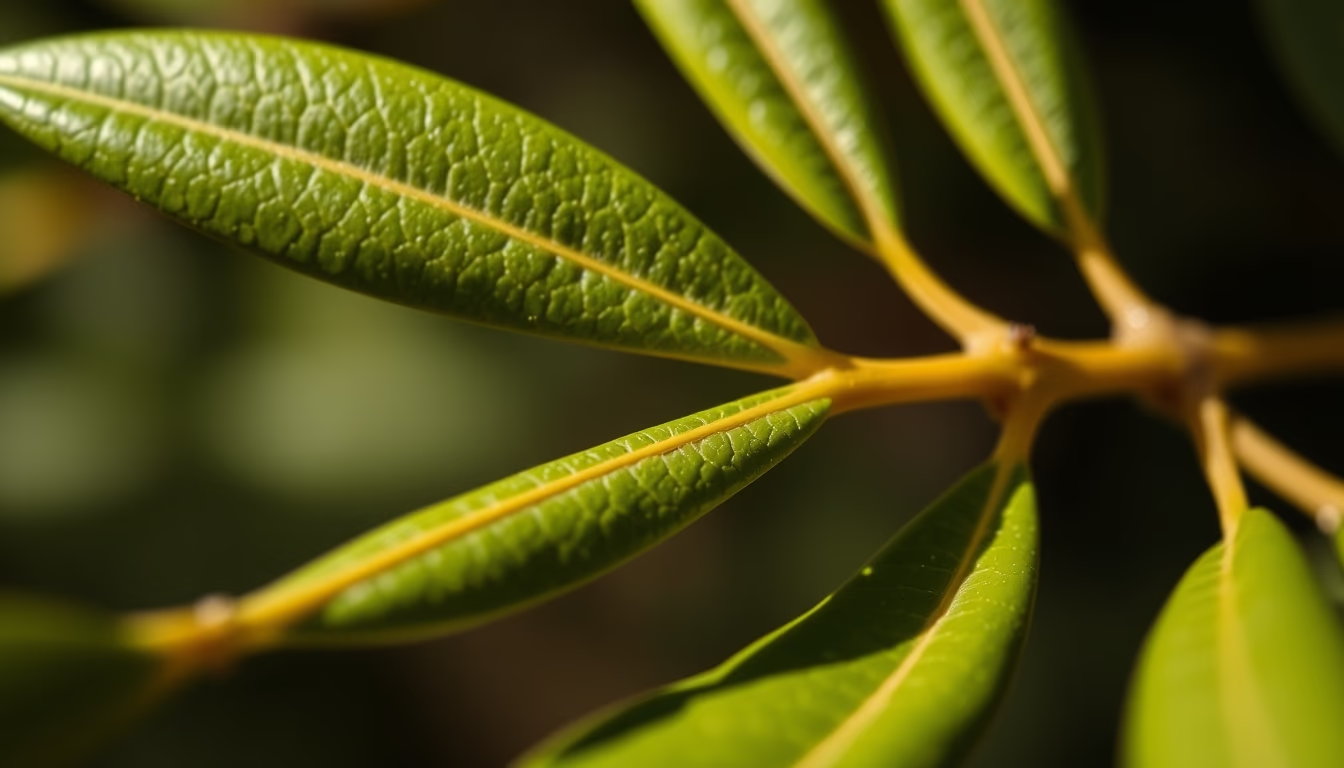
Microscopic details of the olive leaf reveal its anatomy adapted to the Mediterranean climate.
About this subject
The olive leaf (Olea europaea) is a remarkable example of evolutionary adaptation to drought and intense sunlight. Its structure features a thick, waxy cuticle that reduces water loss, while the underside is covered with peltate trichomes, scales that protect stomata from dehydration and reflect solar radiation. These adaptations allow the olive tree to thrive in poor soils and low rainfall, typical of the Mediterranean region, where the species has been cultivated for over 6,000 years.
The olive tree is an evergreen, but its leaves renew every two to three years. They are lanceolate, with entire margins and a short petiole, ranging from 4 to 10 centimeters in length. The gray-green coloration, lighter on the underside, is due to the density of trichomes. These leaves are rich in phenolic compounds, such as oleuropein and hydroxytyrosol, which provide antioxidant properties and are studied for pharmacological benefits.
In agriculture, olive leaves are traditionally used for teas and extracts, especially in Mediterranean folk medicine, for their antihypertensive and hypoglycemic properties. During pruning, which occurs every two years, leaves represent an abundant byproduct: an estimated 1 to 2 tons of dry leaves per hectare per year. They are also used as organic fertilizer in sustainable farming practices.
Interestingly, the olive tree is one of the longest-living plants, with specimens over 2,000 years old, such as the Olive Tree of Vouves in Crete. Although discarded during harvest, the leaves play a crucial role in photosynthesis and defense against pathogens. The presence of trichomes and thick cuticle also hinders pest insects, reducing the need for chemical pesticides.
Frequently Asked Questions
What are the main bioactive compounds in olive leaves?
Olive leaves are rich in oleuropein, hydroxytyrosol, and flavonoids, compounds with antioxidant, anti-inflammatory, and antimicrobial properties.
How are olive leaves used in sustainable agriculture?
During pruning, leaves are collected and can be composted for organic fertilizer, promoting nutrient recycling and reducing waste.
Can olive leaves be consumed by humans?
Yes, they are mainly consumed as tea or extracts. They are not eaten directly raw due to bitterness, but the extract is used in supplements.
Direct URL
https://pub-c7d6a6ea828543ac903a74a341ccb2e1.r2.dev/imagens/olive-leaf-macro-detail-documentary-photography-p11.avifHow to credit
Include a visible link back to UtilizAí. Copy one of the snippets below:
<a href="https://xn--utiliza-eza.com/en/midia/imagens/olive-leaf-macro-detail-documentary-photography-p11">Olive leaf macro detail</a> by <a href="https://xn--utiliza-eza.com">UtilizAí</a>, licensed under <a href="https://creativecommons.org/licenses/by/4.0/">CC BY 4.0</a>.
[Olive leaf macro detail](https://xn--utiliza-eza.com/en/midia/imagens/olive-leaf-macro-detail-documentary-photography-p11) by [UtilizAí](https://xn--utiliza-eza.com), CC BY 4.0
License: CC-BY-4.0