Olive harvest baskets
1344×768 · AVIF · CC BY 4.0
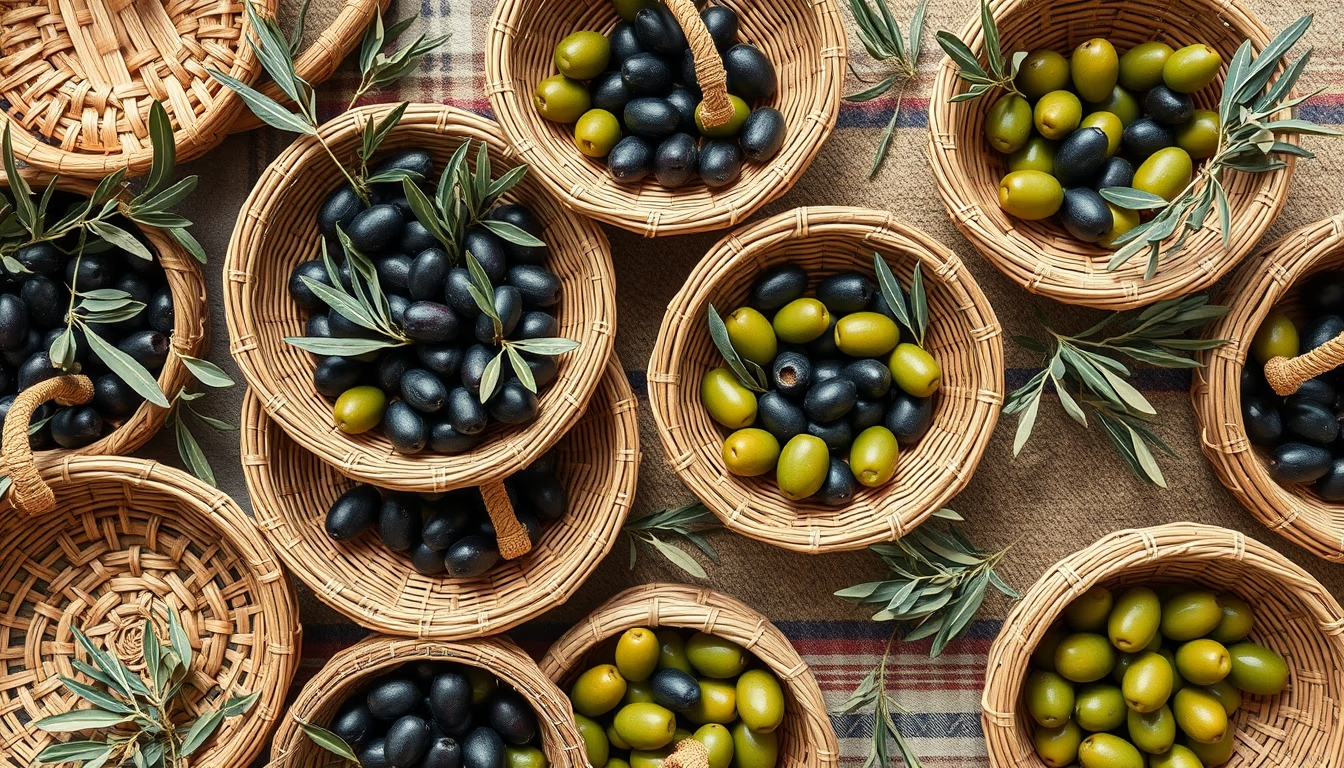
Traditional olive harvest baskets, woven from plant fibers, have been essential in Mediterranean culture for millennia.
About this subject
Olive harvest baskets, known in Portugal as ‘cestas de varas’ or ‘alcofas’, are centuries-old artifacts that combine functionality and sustainability. Traditionally woven from willow, reed, or straw, these baskets allow air circulation during transport, preventing early fermentation of olives, a critical factor for extra virgin olive oil quality. In Italy, ‘corbelli’ made of chestnut are used in Tuscany, while in Greece, ‘kalathia’ crafted from osier dominate the islands. The harvest runs from September to December, depending on variety and region, and baskets are designed to be lightweight yet sturdy, with handles for easy handling when hung on branches or placed on the ground. Although plastic and modern crates have gained popularity, many artisanal producers and Protected Designation of Origin regulations still require traditional baskets, as they minimize mechanical damage and maintain fruit integrity. Agronomic studies indicate that the natural ventilation of fiber baskets reduces surface moisture, inhibiting fungal growth. Furthermore, the handmade production of these utensils keeps alive a technique dating back to the Bronze Age, when the earliest olive cultivation records emerged in the Fertile Crescent. Today, Mediterranean fairs and tourist routes highlight basket making as intangible heritage, connecting manual harvest to family tradition.
Frequently Asked Questions
What materials are used to make olive harvest baskets?
Traditional baskets are made from plant fibers such as willow, reed, straw, osier, or chestnut. Each Mediterranean region uses local species that provide flexibility and durability.
How do traditional baskets contribute to olive oil quality?
Their open weave allows ventilation, reducing moisture and preventing early fermentation of olives. This preserves phenolic compounds and acidity, essential for high-quality extra virgin olive oil.
Are wicker baskets still used in modern olive harvesting?
Yes, many artisanal producers and Protected Designation of Origin regulations still require them. Besides protecting the fruit, they represent sustainability and cultural heritage.
Direct URL
https://pub-c7d6a6ea828543ac903a74a341ccb2e1.r2.dev/imagens/olive-harvest-baskets-isometric-flat-lay-p11.avifHow to credit
Include a visible link back to UtilizAí. Copy one of the snippets below:
<a href="https://xn--utiliza-eza.com/en/midia/imagens/olive-harvest-baskets-isometric-flat-lay-p11">Olive harvest baskets</a> by <a href="https://xn--utiliza-eza.com">UtilizAí</a>, licensed under <a href="https://creativecommons.org/licenses/by/4.0/">CC BY 4.0</a>.
[Olive harvest baskets](https://xn--utiliza-eza.com/en/midia/imagens/olive-harvest-baskets-isometric-flat-lay-p11) by [UtilizAí](https://xn--utiliza-eza.com), CC BY 4.0
License: CC-BY-4.0