Olive harvest baskets
1344×768 · AVIF · CC BY 4.0
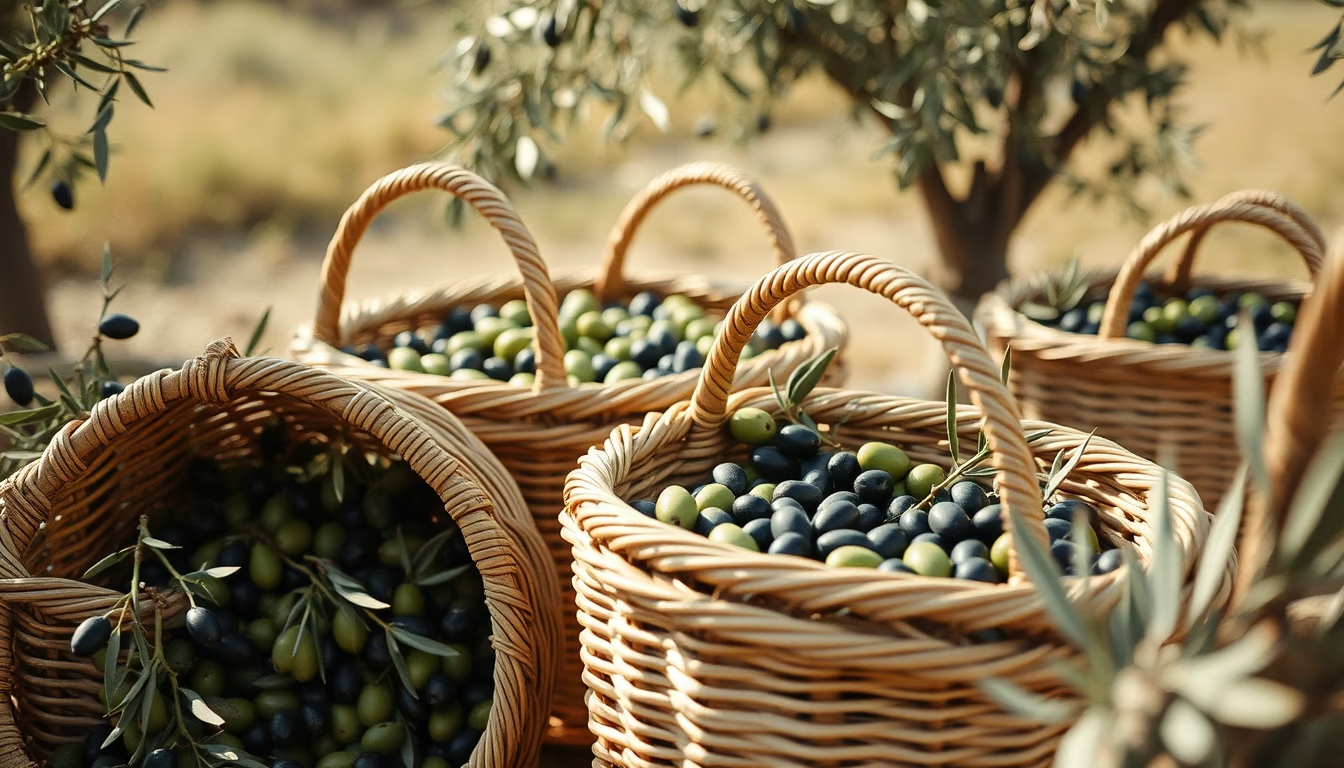
Traditional baskets used for olive harvesting across the Mediterranean, where ancient olive cultivation shapes techniques and tools.
About this subject
Olive harvesting is a practice dating back over 6,000 years, originating in the Eastern Mediterranean. Since then, tools like baskets made from wicker, straw, or raffia have been used to collect the fruit without damage. These baskets, known locally as "harvest baskets" or "corbelle", vary in shape and size: smaller ones are tied around the harvester's waist for mobility, while larger ones are carried by donkeys or tractors. Traditional designs promote aeration, preventing premature fermentation of olives.
In Italy, "corbelle" are woven from olive branches; in Greece, "kalathi" are common wicker baskets; in Portugal, "cestos de verga" resist humidity. Each region adapts available materials: willow, reed, or even palm. Despite mechanization, many producers prefer hand-picking for high-quality olives, preserving texture and avoiding bruising. Traditional baskets are also reusable and biodegradable, aligning with sustainable production.
Olive cultivation is vital to economies like Andalusia, which produces 30% of the world's olives. Harvesting occurs between October and January, depending on variety and use (oil or table olives). Using baskets reduces environmental impact compared to plastic nets but requires more labor. In mountainous regions of Sicily, baskets are hung on shoulder poles for access on steep slopes. UNESCO recognizes aspects of this cultural heritage in some agricultural practices.
Fun fact: some olive varieties must drop naturally into the basket to ensure ideal ripeness. Beating branches with sticks is still common, and baskets cushion the fall. Modern standardization attempts to replace these techniques, but the added value of "artisanal" oils keeps the tradition alive.
Frequently Asked Questions
What materials are olive harvest baskets made of?
Materials vary: wicker, straw, raffia, olive branches, willow, or reed. The choice depends on local tradition and desired durability.
What is the typical capacity of these baskets?
Small waist-mounted baskets hold 5 to 10 kg; larger carried or transported baskets can hold up to 50 kg. The design prioritizes aeration and fruit protection.
Why are traditional basket harvesting methods still used?
Hand harvesting with baskets prevents damage to olives, preserves quality for premium oils, and maintains cultural techniques. It is also more sustainable than plastic nets.
Direct URL
https://pub-c7d6a6ea828543ac903a74a341ccb2e1.r2.dev/imagens/olive-harvest-baskets-film-grain-authentic-p7.avifHow to credit
Include a visible link back to UtilizAí. Copy one of the snippets below:
<a href="https://xn--utiliza-eza.com/en/midia/imagens/olive-harvest-baskets-film-grain-authentic-p7">Olive harvest baskets</a> by <a href="https://xn--utiliza-eza.com">UtilizAí</a>, licensed under <a href="https://creativecommons.org/licenses/by/4.0/">CC BY 4.0</a>.
[Olive harvest baskets](https://xn--utiliza-eza.com/en/midia/imagens/olive-harvest-baskets-film-grain-authentic-p7) by [UtilizAí](https://xn--utiliza-eza.com), CC BY 4.0
License: CC-BY-4.0