Olive grove tuscany hillside
1344×768 · AVIF · CC BY 4.0
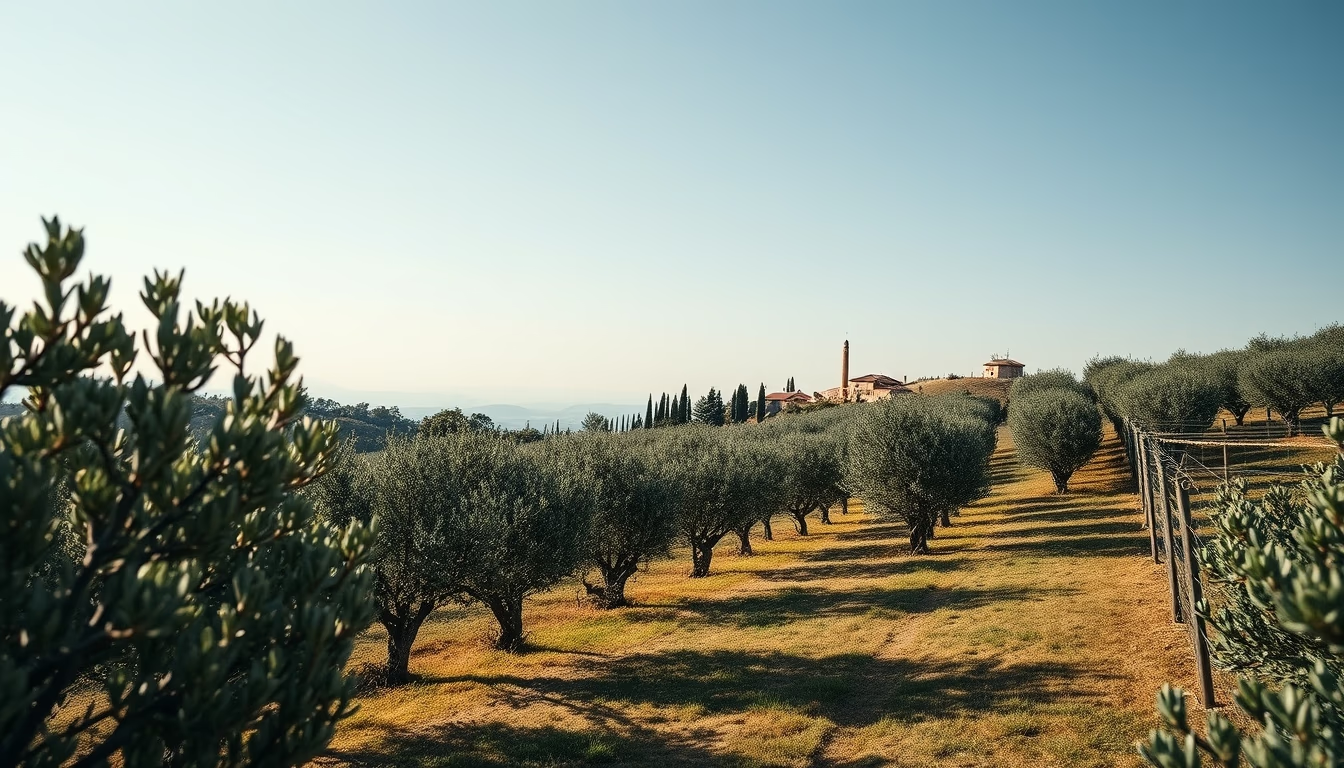
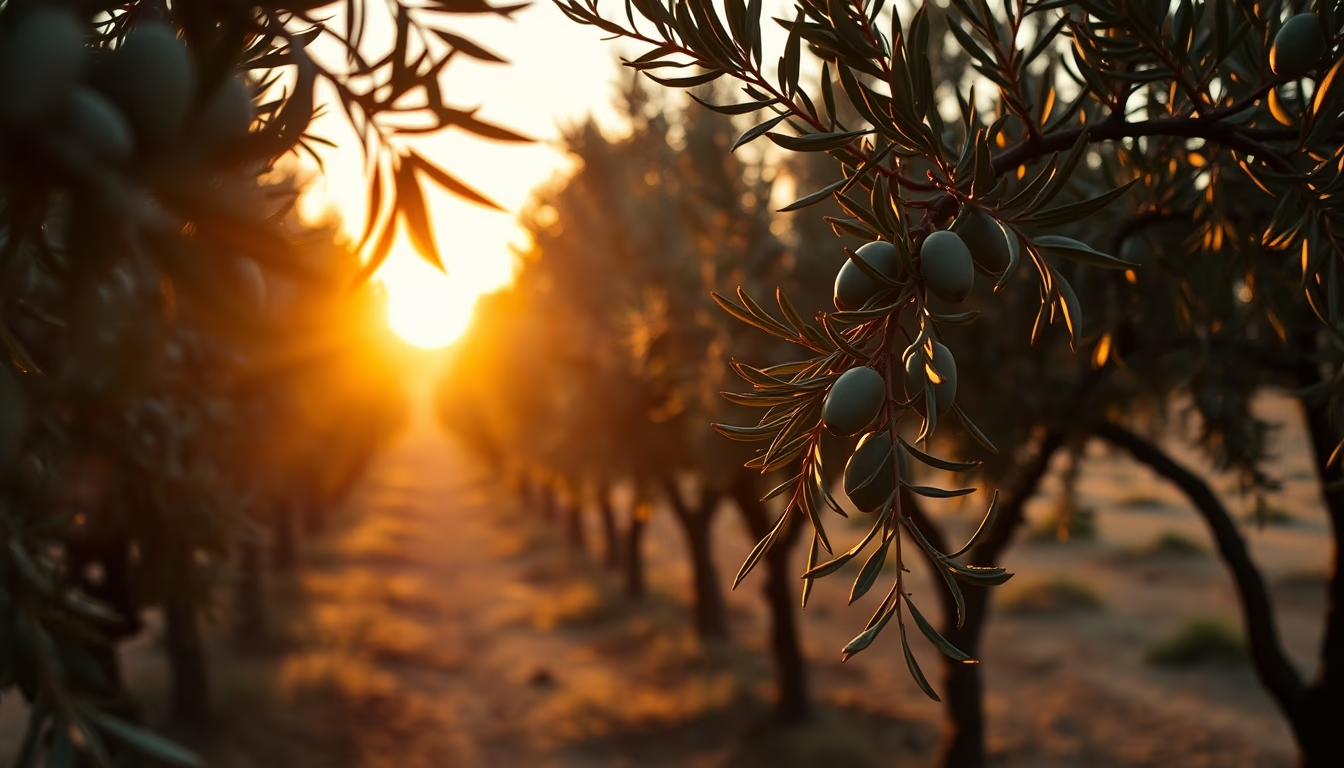
Olive grove on a Tuscan hillside: a millenary tradition shaping the landscape and economy of the region.
About this subject
Tuscany, in central Italy, is world-renowned for its rolling hills dotted with olive groves. Olive cultivation in the region dates back to Etruscan times, over 2,500 years ago, and has become a cornerstone of local agriculture. The most common varieties include Frantoio, Leccino, and Moraiolo, which produce oils with protected designation of origin (PDO) such as Toscano IGP.
The Mediterranean climate, with mild winters and dry summers, is ideal for olive trees, which thrive on calcareous, well-drained soils of the hillsides. The moderate altitude (200 to 600 meters) favors slow fruit ripening, resulting in fruity and peppery oils. Many groves are terraced to prevent erosion, a traditional technique that also enhances scenic beauty.
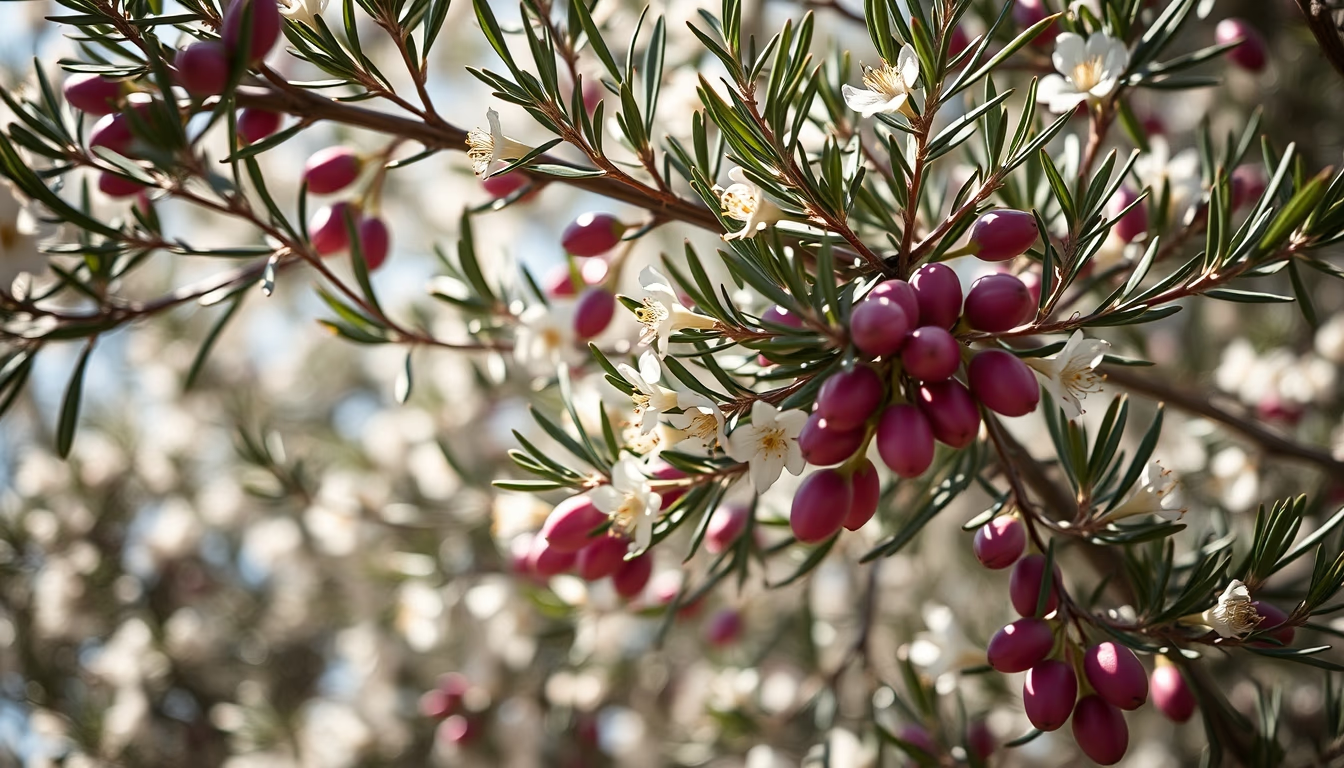
Beyond economic value, Tuscan olive groves carry strong cultural significance. The manual harvest, from October to December, is a social event bringing families and communities together. Tuscan extra virgin olive oil is prized worldwide and used in local dishes like ribollita and panzanella. The landscape of ancient, twisted trees has inspired artists and tourists for centuries.
An estimated 15 million olive trees exist in Tuscany, covering over 100,000 hectares. Annual oil production varies with climate but averages 20,000 to 30,000 tonnes. In recent years, challenges like the olive fruit fly and climate change have emerged, but Tuscan olive farming remains resilient through sustainable practices and strong agritourism appeal.
Frequently Asked Questions
What is the best time to visit the olive groves in Tuscany?
The best time is during the harvest season, from October to December, when you can see traditional activities and taste new oil. Spring (April to June) is also lovely, with blooming olive trees.
What are the main olive varieties in Tuscany?
The main varieties are Frantoio, Leccino, and Moraiolo. Frantoio is known for fruity and peppery flavor, Leccino is milder, and Moraiolo produces a bitter and pungent oil.
Does Tuscan olive oil have protected designation of origin?
Yes, extra virgin olive oil produced in the region can carry DOP (Protected Designation of Origin) or IGP (Protected Geographical Indication) labels, such as Toscano IGP, ensuring traditional methods and origin.
Direct URL
https://pub-c7d6a6ea828543ac903a74a341ccb2e1.r2.dev/imagens/olive-grove-tuscany-hillside-minimalist-composition-p4.avifHow to credit
Include a visible link back to UtilizAí. Copy one of the snippets below:
<a href="https://xn--utiliza-eza.com/en/midia/imagens/olive-grove-tuscany-hillside-minimalist-composition-p4">Olive grove tuscany hillside</a> by <a href="https://xn--utiliza-eza.com">UtilizAí</a>, licensed under <a href="https://creativecommons.org/licenses/by/4.0/">CC BY 4.0</a>.
[Olive grove tuscany hillside](https://xn--utiliza-eza.com/en/midia/imagens/olive-grove-tuscany-hillside-minimalist-composition-p4) by [UtilizAí](https://xn--utiliza-eza.com), CC BY 4.0
License: CC-BY-4.0