Olive grove tuscany hillside
1344×768 · AVIF · CC BY 4.0
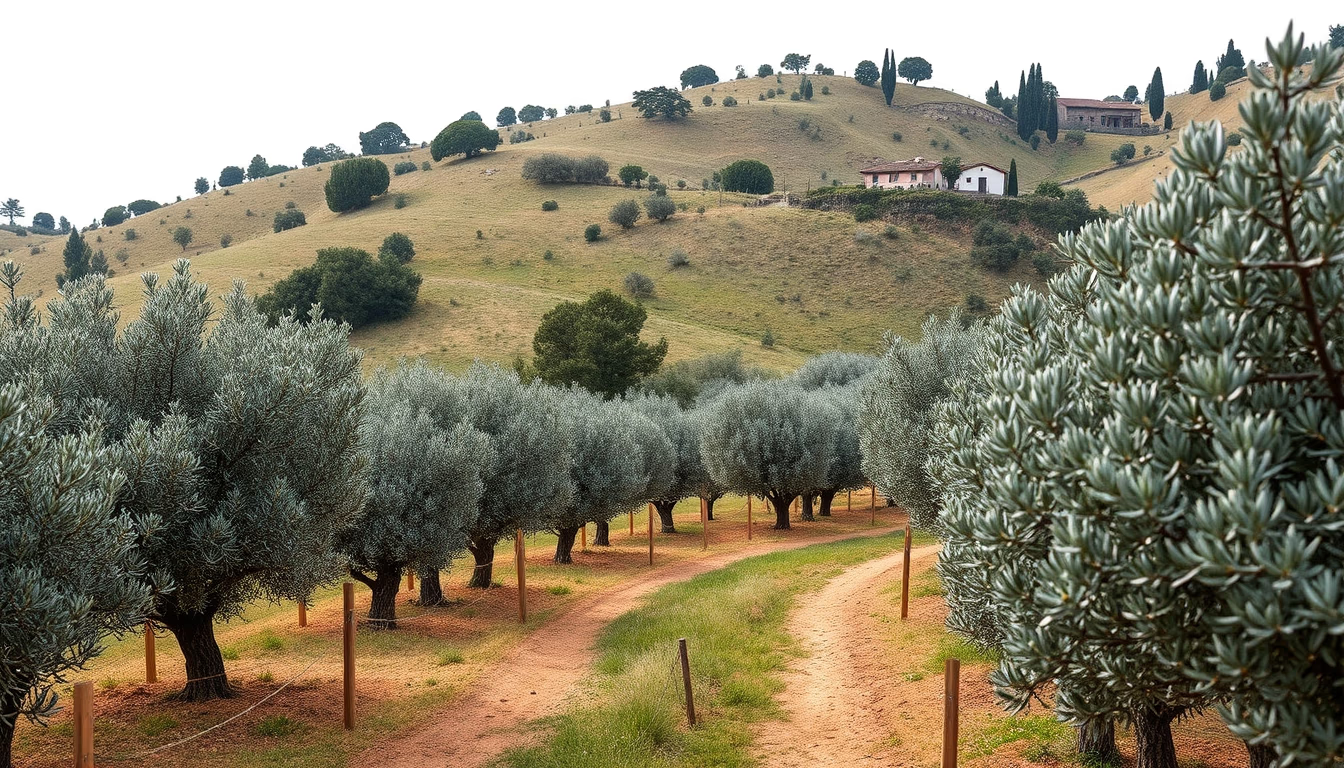
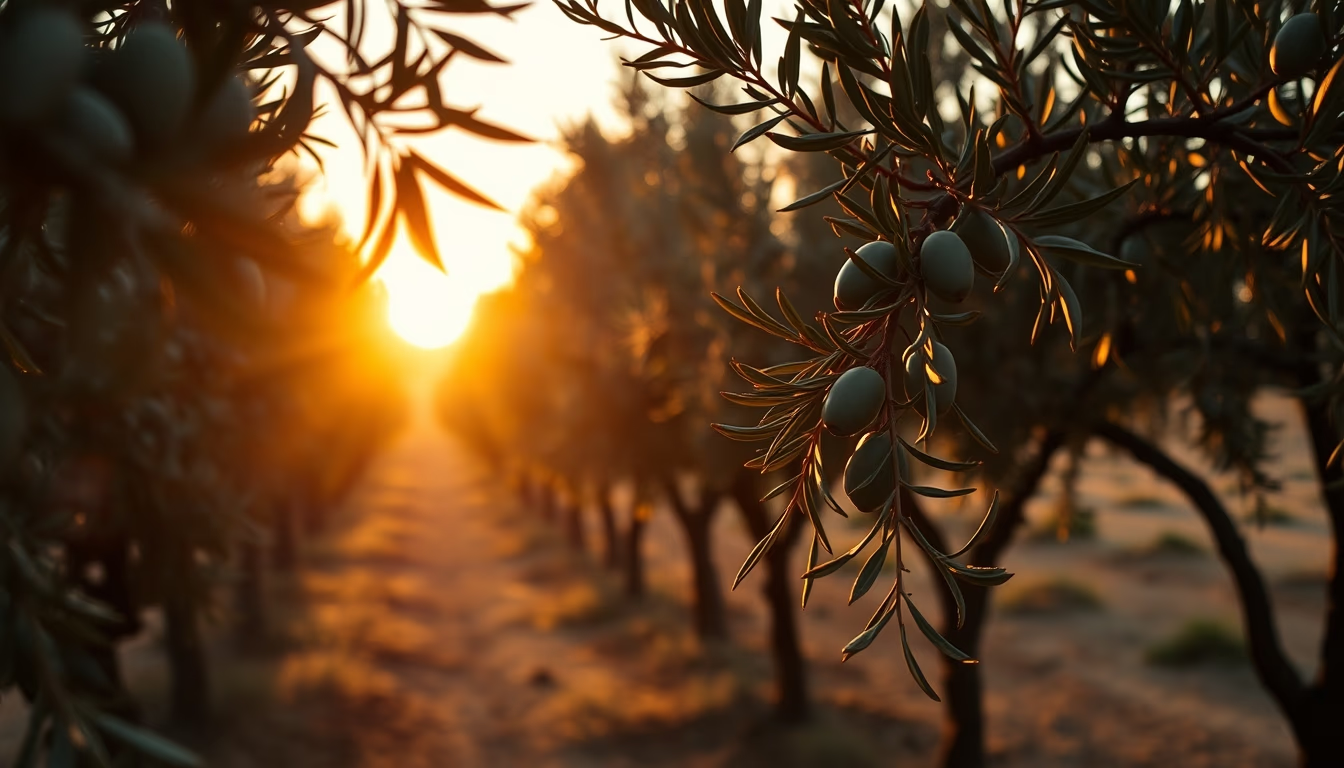
Olive grove on a Tuscan hillside: ancient olive cultivation shaping the landscape and gastronomy of the region.
About this subject
Tuscany, in central Italy, is globally renowned for its rolling hills dotted with olive groves. These Tuscan olive groves are not merely aesthetic; they represent an agricultural tradition dating back to Etruscan times, centuries before the Roman Empire. It is estimated that there are over 50 million olive trees in the region, cultivated on slopes with well-drained soils and a Mediterranean climate, ideal for producing high-quality olive oil.
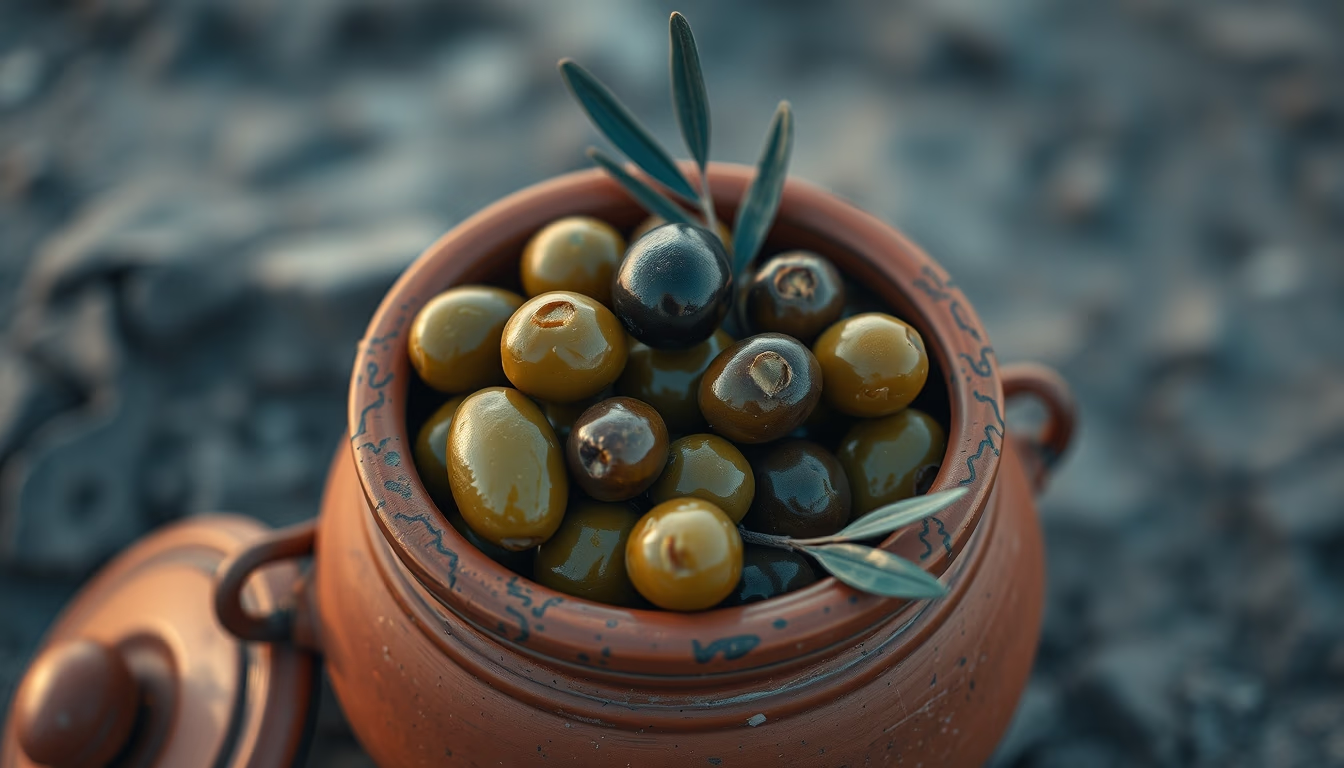
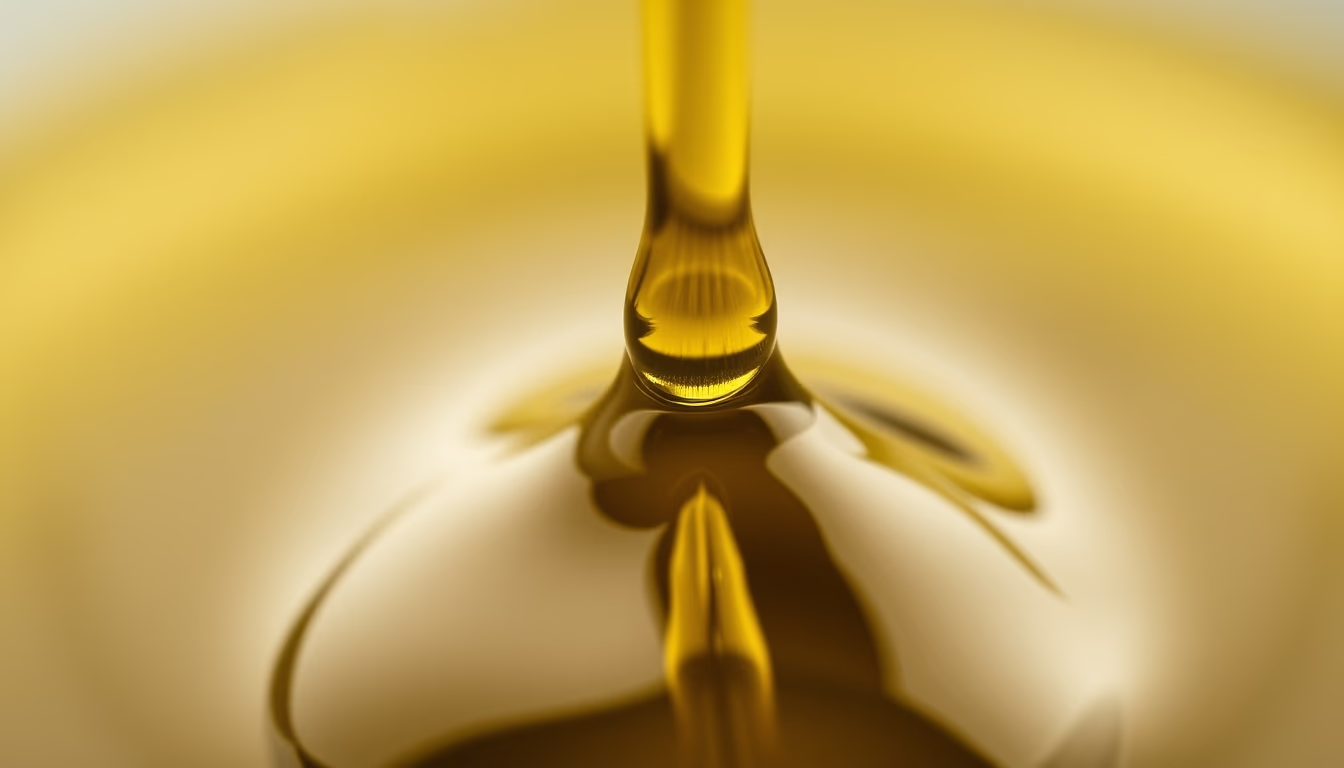
The main olive varieties grown in Tuscany include Frantoio, Leccino, and Moraiolo, which together form the basis for Protected Designation of Origin (PDO) oils such as Toscano IGP (Geographical Indication). Harvesting takes place between October and December, usually by hand or with mechanical shakers to preserve fruit integrity. Tuscan extra virgin olive oil is prized for its fruity flavor, with notes of artichoke, cut grass, and almond, along with a characteristic peppery and bitter finish.
The hillside olive groves also play a crucial role in the local ecosystem, preventing soil erosion and supporting biodiversity. Many of these groves are cultivated organically or integrated, respecting sustainable practices passed down through generations. Besides oil, centuries-old olive trees, with their twisted trunks, are symbols of resilience and longevity, some over a thousand years old.
For tourists, driving through Tuscany's roads, such as the famous Via Chiantigiana, is an immersion in a sea of silvery olive trees. The regions of Chianti, Montalcino, and Montepulciano concentrate some of the most photogenic groves, where the setting sun light highlights the contrast between the gray-green leaves and clay soil. Tuscan olive oil is a cornerstone of the Mediterranean diet, recognized as UNESCO Intangible Cultural Heritage of Humanity.
Frequently Asked Questions
What is the best time to visit olive groves in Tuscany?
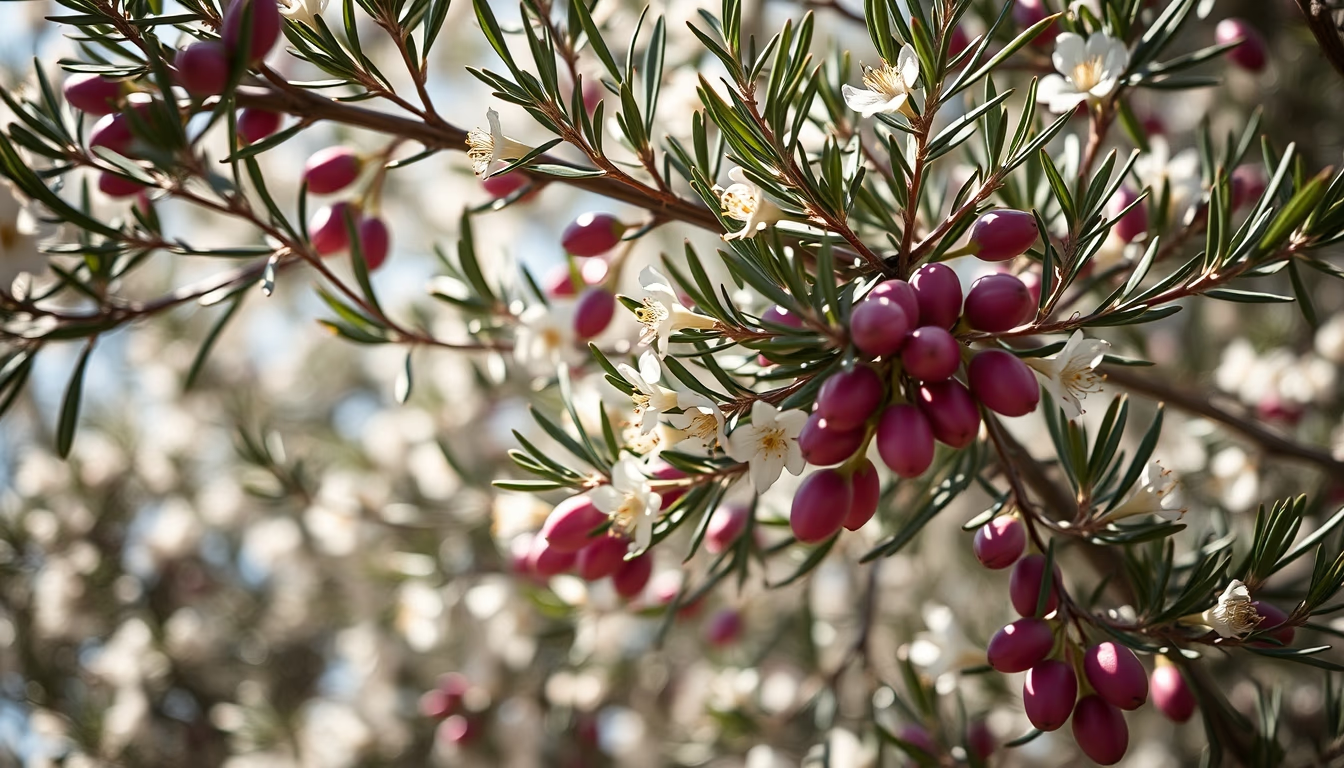
The best time is during the olive harvest, from October to December, when you can see the process and taste new oil. Spring (April to June) is also beautiful, with olive trees in bloom.
What makes Tuscan olive oil different from other Italian oils?
Tuscan IGP olive oil is known for its intense fruity flavor with notes of artichoke and grass, and a balanced bitterness and spiciness. This comes from local varieties and the hillside terroir.
Can I visit olive groves and taste oil in Tuscany?
Yes, many farms (agriturismi) are open to the public for guided tours, tastings, and oil sales. Regions like Chianti and Montalcino offer numerous options.
Direct URL
https://pub-c7d6a6ea828543ac903a74a341ccb2e1.r2.dev/imagens/olive-grove-tuscany-hillside-commercial-product-photography-p7.avifHow to credit
Include a visible link back to UtilizAí. Copy one of the snippets below:
<a href="https://xn--utiliza-eza.com/en/midia/imagens/olive-grove-tuscany-hillside-commercial-product-photography-p7">Olive grove tuscany hillside</a> by <a href="https://xn--utiliza-eza.com">UtilizAí</a>, licensed under <a href="https://creativecommons.org/licenses/by/4.0/">CC BY 4.0</a>.
[Olive grove tuscany hillside](https://xn--utiliza-eza.com/en/midia/imagens/olive-grove-tuscany-hillside-commercial-product-photography-p7) by [UtilizAí](https://xn--utiliza-eza.com), CC BY 4.0
License: CC-BY-4.0