Olive grove sunset golden
1344×768 · AVIF · CC BY 4.0
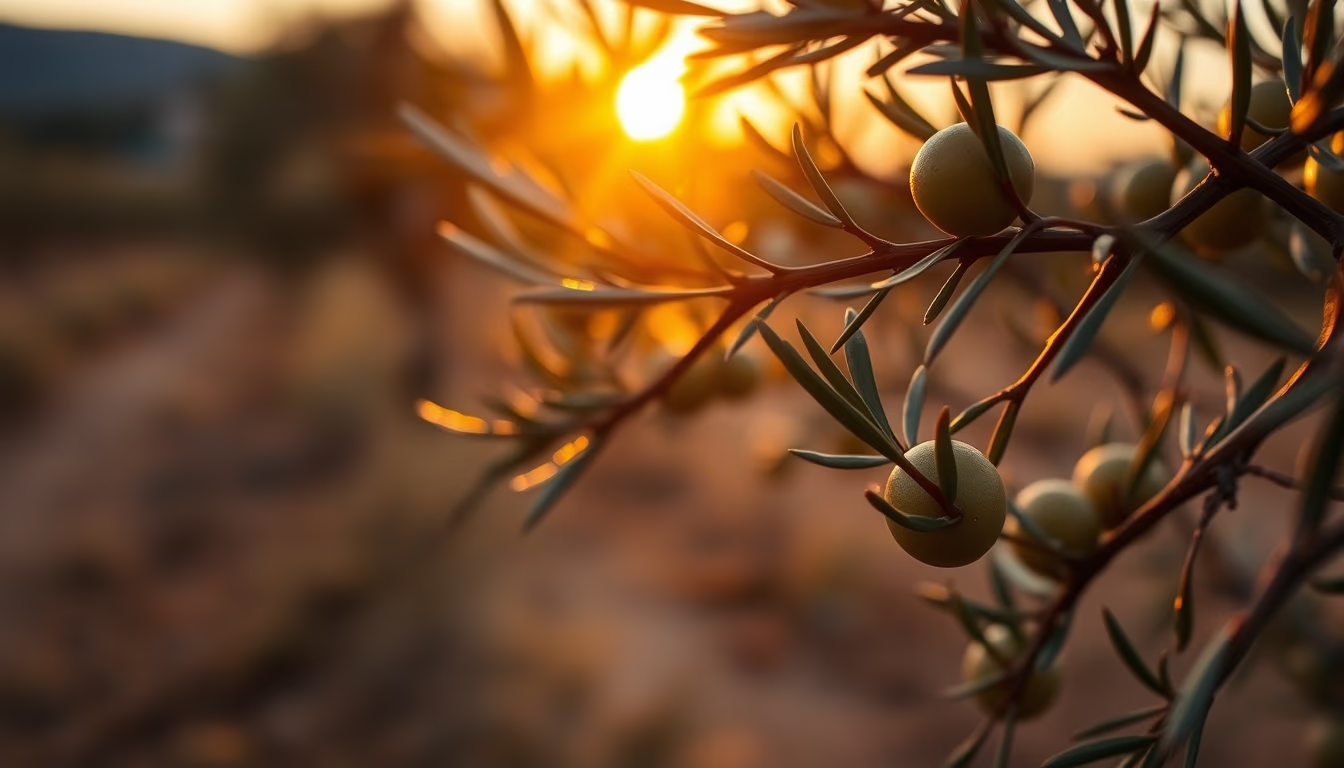
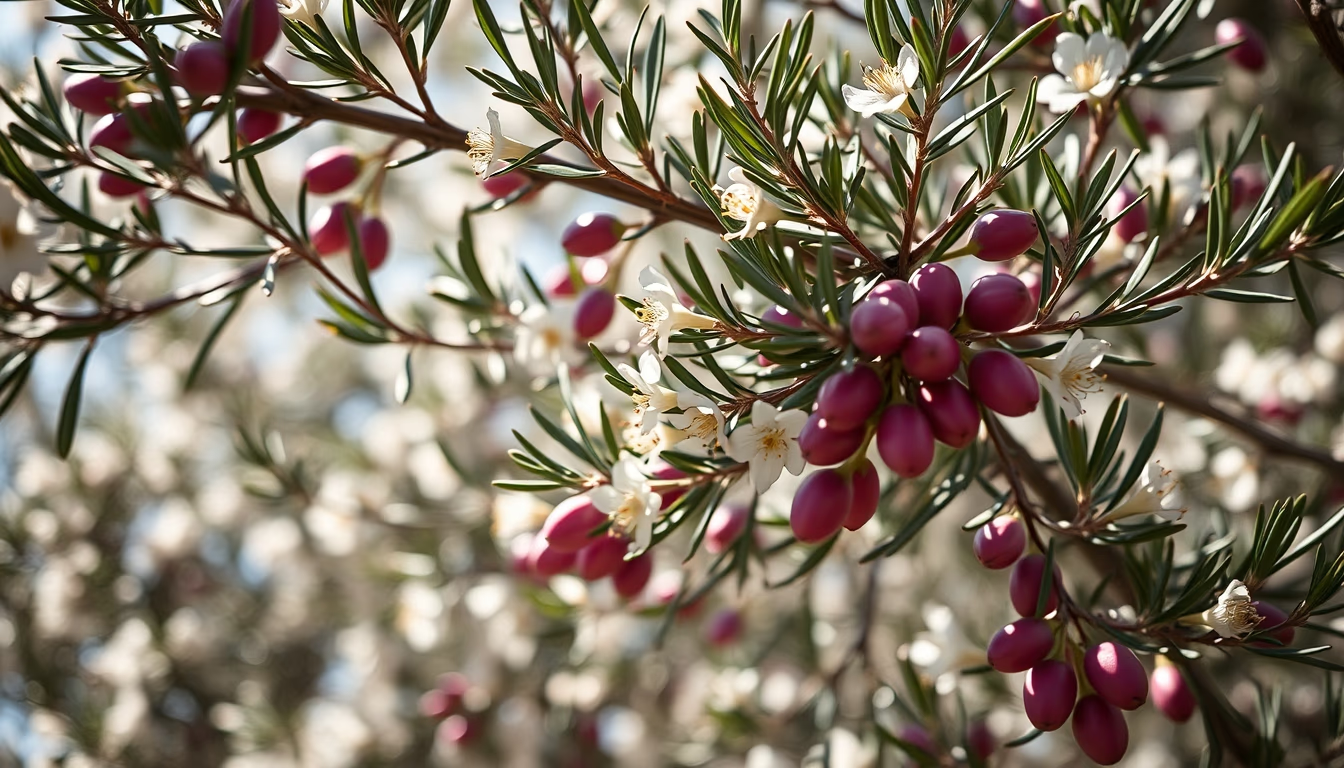
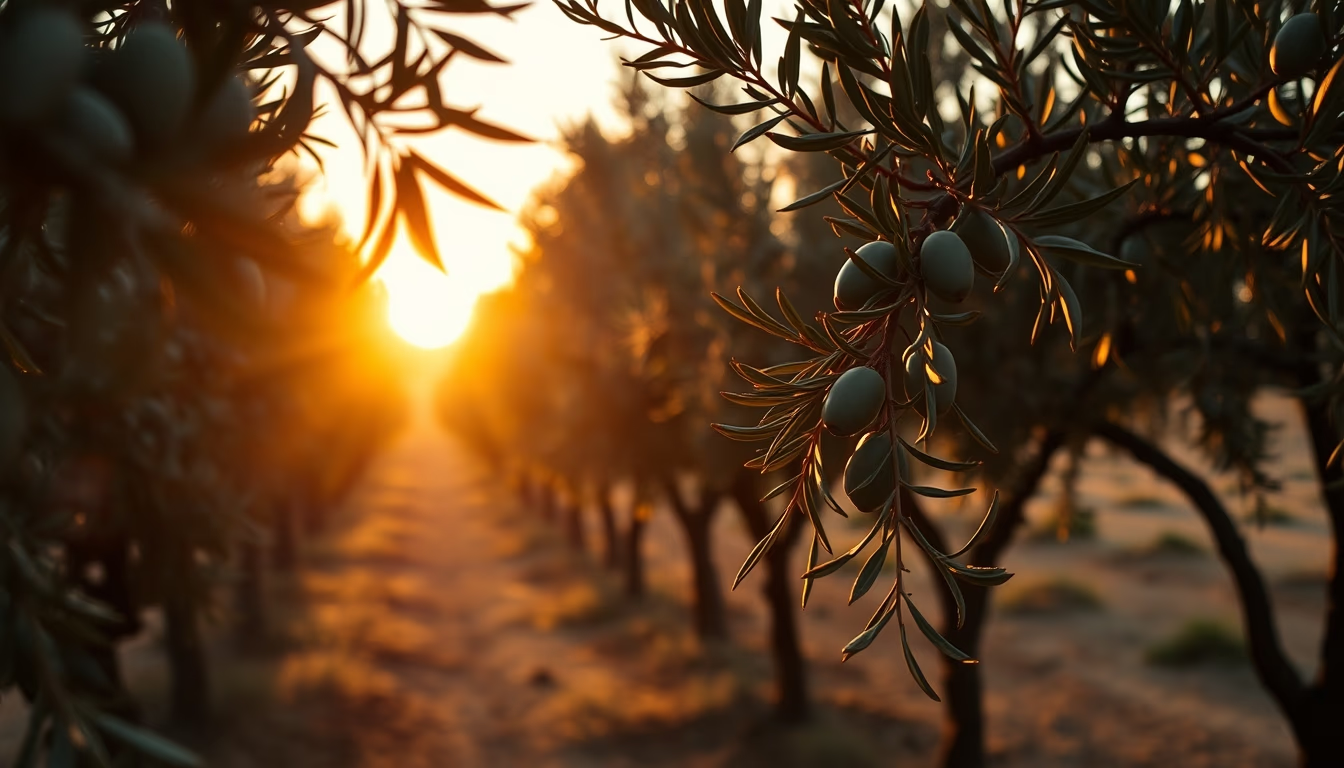
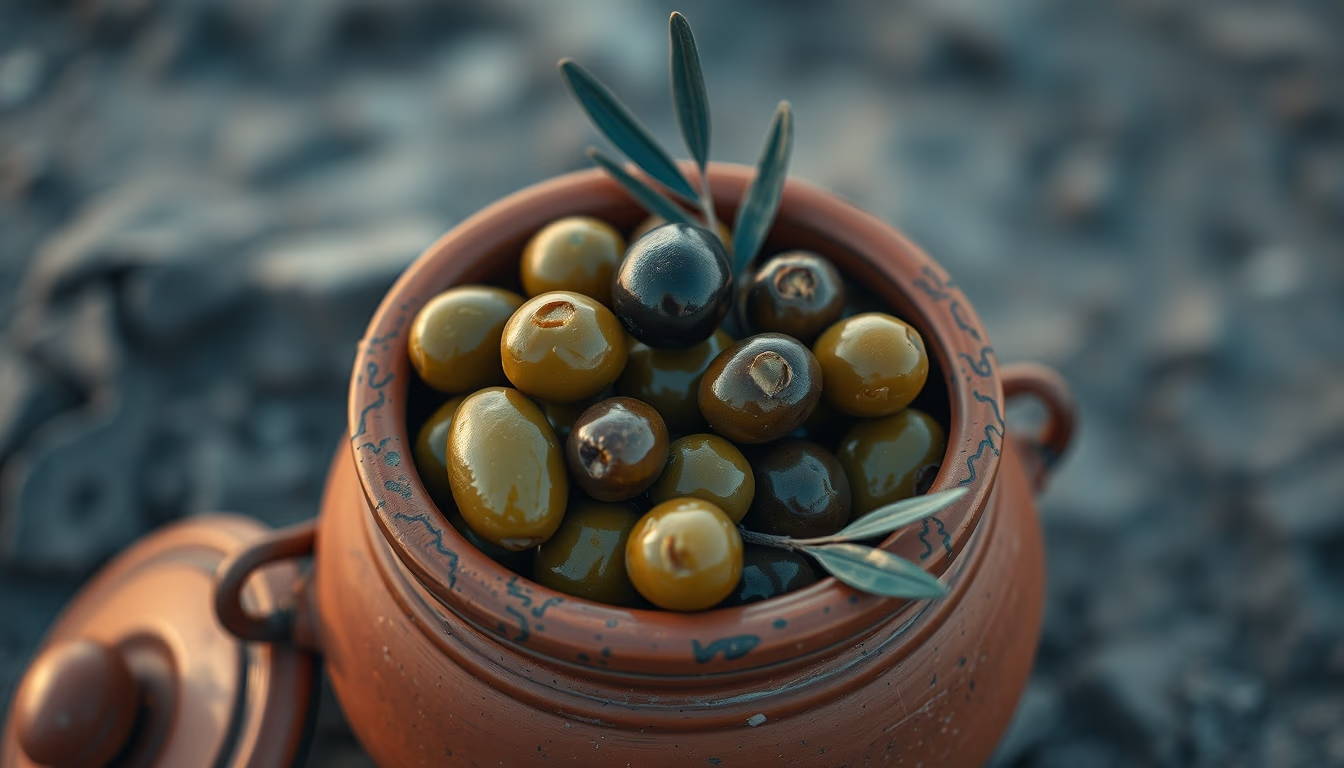
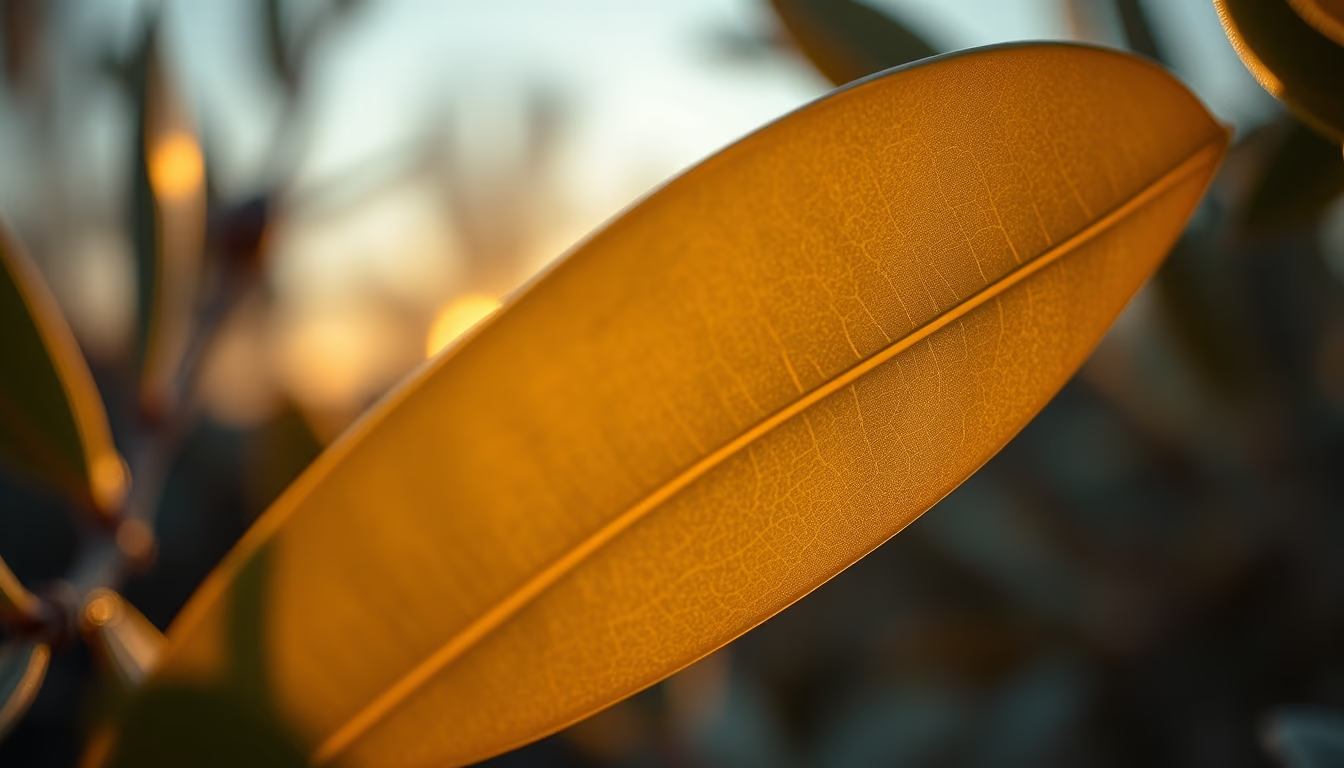
A detailed view of ripe olives in an olive grove bathed in golden sunset light, highlighting the richness of olive cultivation.
About this subject
The olive grove, composed of olive trees (Olea europaea), is an emblematic landscape of the Mediterranean region but is also gaining ground in Brazil, especially in Rio Grande do Sul and Minas Gerais. The olive tree is a slow-growing tree known for its longevity and resistance to dry climates. Its fruits, olives, are drupes that ripen during autumn, changing from green to purple to black. Harvesting, manual or mechanical, occurs between February and April in the Southern Hemisphere, when the fruits reach ideal ripeness for oil or table olive production.
A macro view of the fruit reveals details such as the waxy cuticle that protects against water loss and the pulp rich in monounsaturated fatty acids, especially oleic acid. Each olive contains a woody pit, the endocarp, which houses the seed. The olive variety directly influences the flavor and texture of the oil: examples include Arbequina, with a fruity and mild taste, and Koroneiki, more intense. In Brazil, extra virgin olive oil production has grown, notably in Serra da Mantiqueira and Campanha Gaúcha, where the subtropical climate allows proper fruit ripening.
The olive tree holds significant cultural and economic roles. In Greek mythology, the olive branch symbolizes peace and prosperity. Currently, Brazil imports most of its consumed olive oil, but domestic olive cultivation advances with irrigation techniques and management adapted to tropical soil. Pruning and fertilization are essential to ensure productivity. Besides oil, table olives are enjoyed pickled, seasoned with herbs and spices.
Interestingly, olive trees can live for centuries, with some specimens in the Mediterranean over a thousand years old. Early harvest produces more bitter and pungent oils, while late harvest yields sweeter flavors. Oil quality depends not only on variety but also on processing: cold pressing preserves phenolic compounds and antioxidants. In Brazil, olive trees are also used in landscaping, with their silvery leaves and twisted trunks.
Frequently Asked Questions
What is the best time to harvest olives?
Harvesting occurs in autumn, between February and April in the Southern Hemisphere, when olives reach optimal ripeness depending on use (oil or table olives).
How can you tell if an olive is ripe?
Ripeness is indicated by color change: green olives turn purple and then black. The texture also becomes softer and the taste less bitter.
Where are olive trees grown in Brazil?
The main producing regions are Rio Grande do Sul (Campanha Gaúcha), Minas Gerais (Serra da Mantiqueira), and São Paulo, with a subtropical climate favorable to cultivation.
Direct URL
https://pub-c7d6a6ea828543ac903a74a341ccb2e1.r2.dev/imagens/olive-grove-sunset-golden-macro-closeup-p11.avifHow to credit
Include a visible link back to UtilizAí. Copy one of the snippets below:
<a href="https://xn--utiliza-eza.com/en/midia/imagens/olive-grove-sunset-golden-macro-closeup-p11">Olive grove sunset golden</a> by <a href="https://xn--utiliza-eza.com">UtilizAí</a>, licensed under <a href="https://creativecommons.org/licenses/by/4.0/">CC BY 4.0</a>.
[Olive grove sunset golden](https://xn--utiliza-eza.com/en/midia/imagens/olive-grove-sunset-golden-macro-closeup-p11) by [UtilizAí](https://xn--utiliza-eza.com), CC BY 4.0
License: CC-BY-4.0