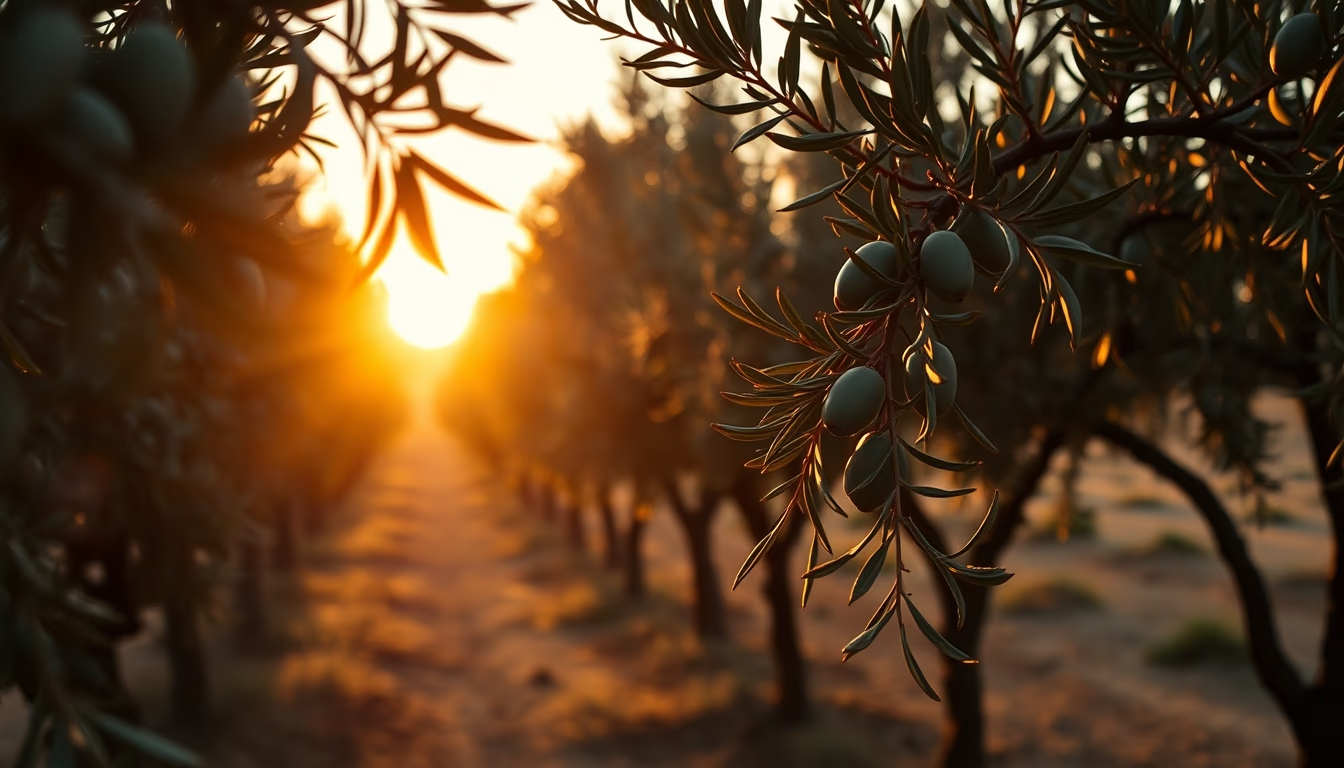
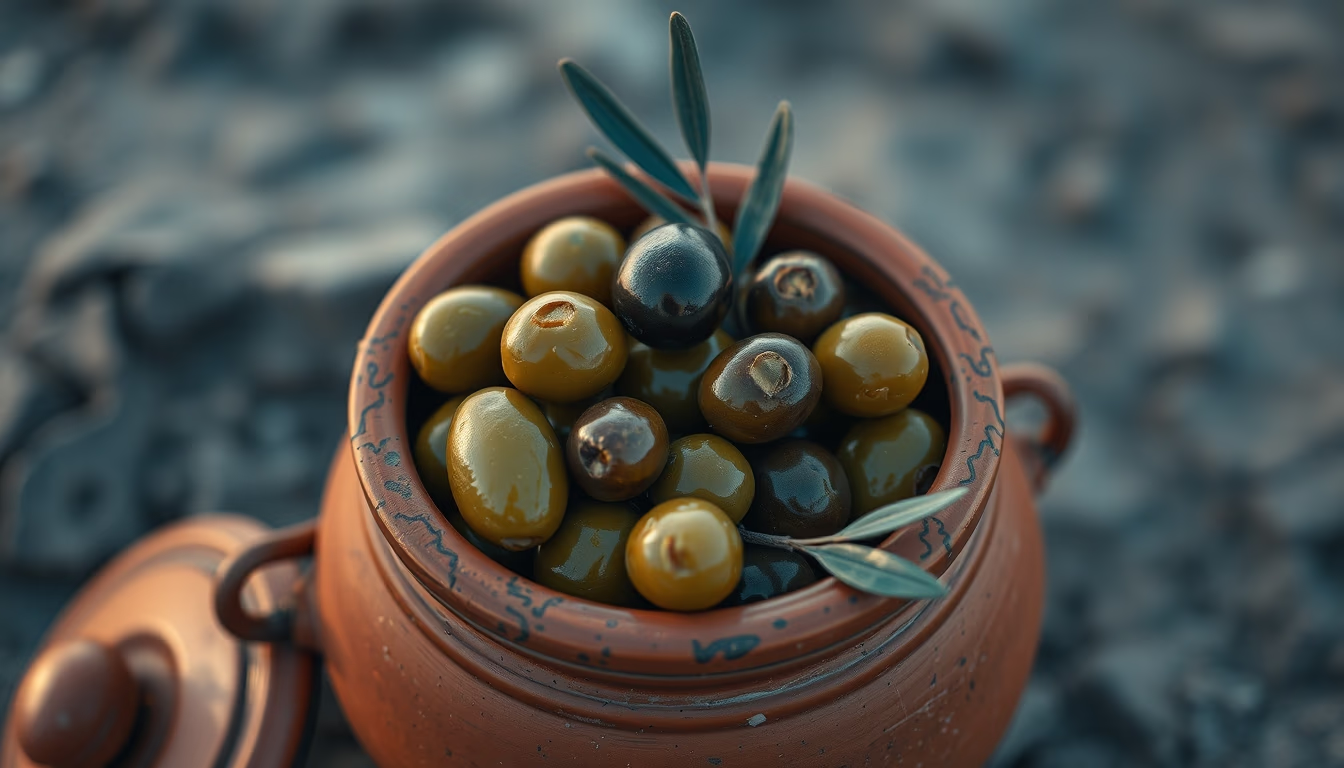
Olive branches with green olives
1344×768 · AVIF · CC BY 4.0
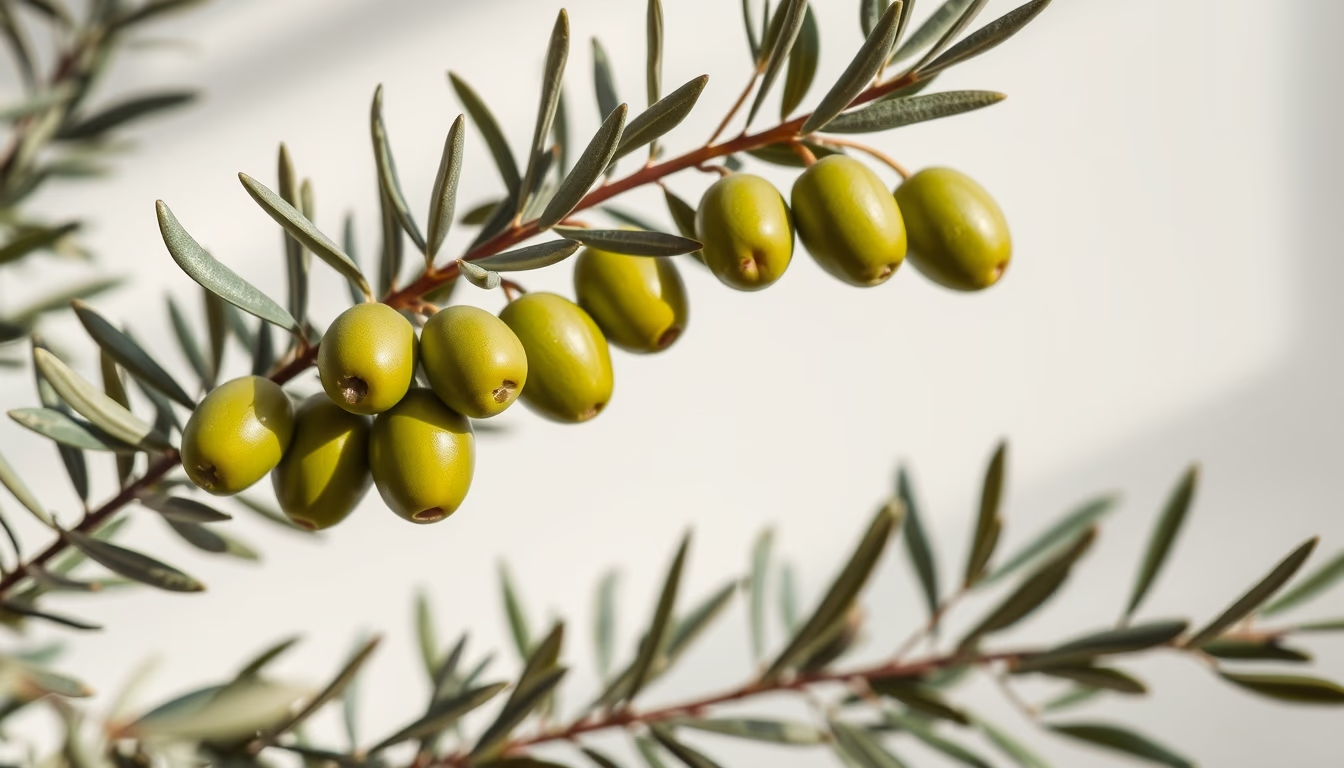
Olive branches with green olives: a symbol of Mediterranean culture and source of olive oil, one of humanity's oldest foods.
About this subject
The olive tree (Olea europaea) has been cultivated for over 6,000 years in the Mediterranean region, forming a cornerstone of local agriculture and cuisine. Branches laden with green olives symbolize not only the harvest before full ripeness but also peace and prosperity, revered in ancient cultures such as Greece and Rome.
Green olives are harvested between September and November in the Northern Hemisphere, before they turn dark. Unlike black olives, they have firmer flesh and a more bitter taste due to oleuropein, a phenolic compound. For consumption, they undergo curing processes to remove bitterness: brine curing (fermentation) or lye curing (sodium hydroxide). Famous varieties include Arbequina from Spain, Koroneiki from Greece, and Manzanilla from the United States.
In Brazil, olive cultivation is expanding, particularly in the states of Minas Gerais, Rio Grande do Sul, and São Paulo. The Serra da Mantiqueira region, with its mild climate and high altitudes, has become notable for producing high-quality green olives. Although Brazil still imports most of its olive oil, domestic production grows about 15% annually, driven by small farmers and associations.
Interestingly, green and black olives belong to the same species; the difference lies in the ripening stage. Green olives are harvested immature, while black olives are fully ripe. Beyond being eaten as appetizers, green olives are widely used in extra virgin olive oil production, especially in blends that seek herbaceous and peppery notes.
Frequently Asked Questions
What is the difference between green and black olives?
Both come from the same olive tree (Olea europaea), but the color indicates ripeness: green olives are harvested unripe, while black olives are allowed to fully ripen on the tree.
How are green olives processed for consumption?
Green olives undergo a curing process to remove the bitterness from oleuropein, which can be done through brine (natural fermentation) or lye (sodium hydroxide), followed by washing and preservation.
Where are olive trees cultivated in Brazil?
The main producing regions are southern Minas Gerais, the Serra da Mantiqueira, Rio Grande do Sul, and inland São Paulo, where mild climates and high altitudes favor cultivation.
Direct URL
https://pub-c7d6a6ea828543ac903a74a341ccb2e1.r2.dev/imagens/olive-branches-with-green-olives-minimalist-composition-p3.avifHow to credit
Include a visible link back to UtilizAí. Copy one of the snippets below:
<a href="https://xn--utiliza-eza.com/en/midia/imagens/olive-branches-with-green-olives-minimalist-composition-p3">Olive branches with green olives</a> by <a href="https://xn--utiliza-eza.com">UtilizAí</a>, licensed under <a href="https://creativecommons.org/licenses/by/4.0/">CC BY 4.0</a>.
[Olive branches with green olives](https://xn--utiliza-eza.com/en/midia/imagens/olive-branches-with-green-olives-minimalist-composition-p3) by [UtilizAí](https://xn--utiliza-eza.com), CC BY 4.0
License: CC-BY-4.0