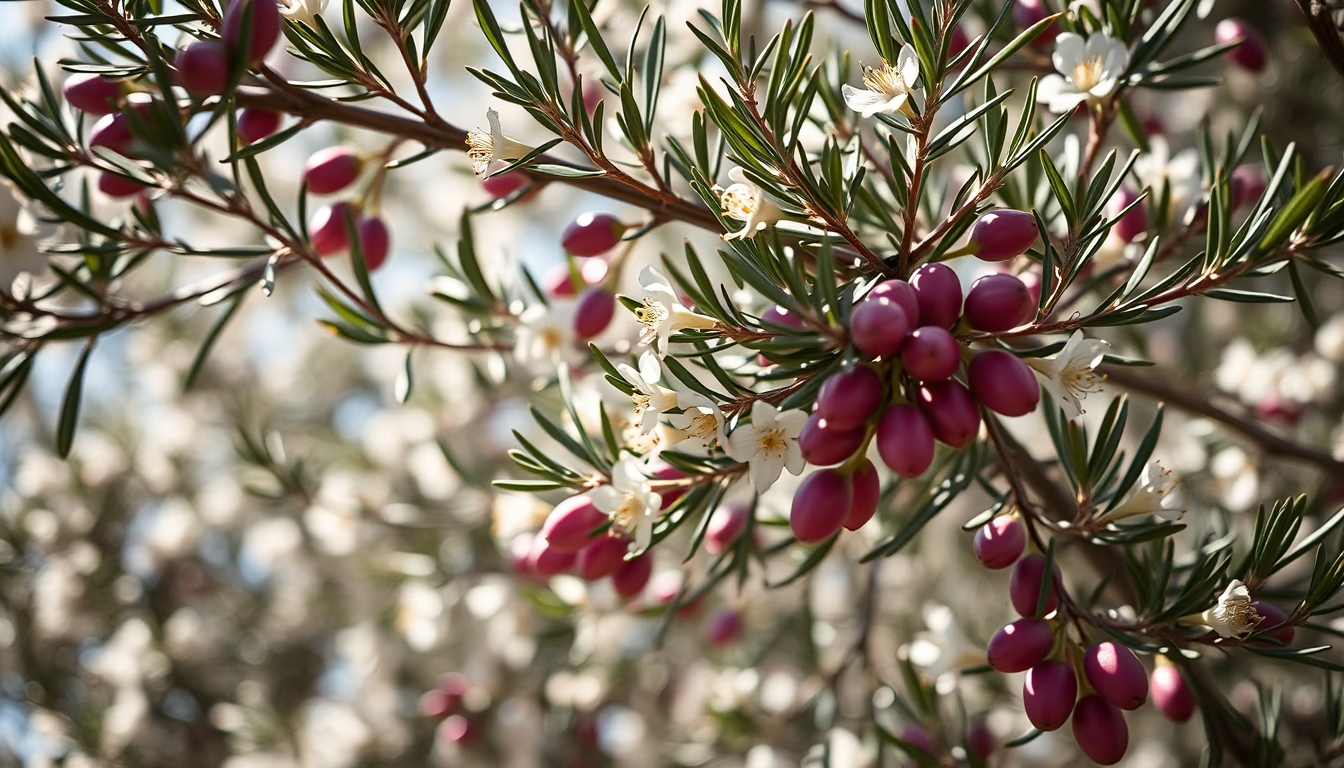
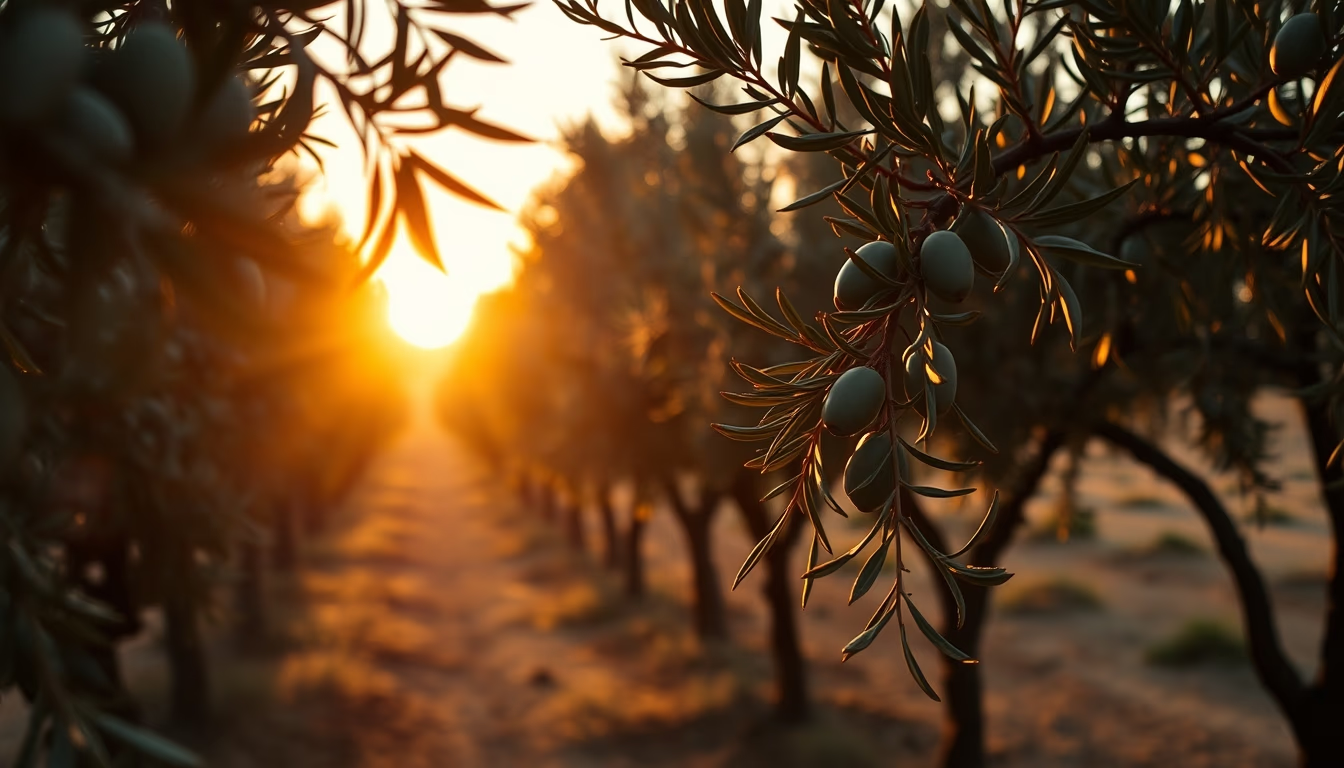
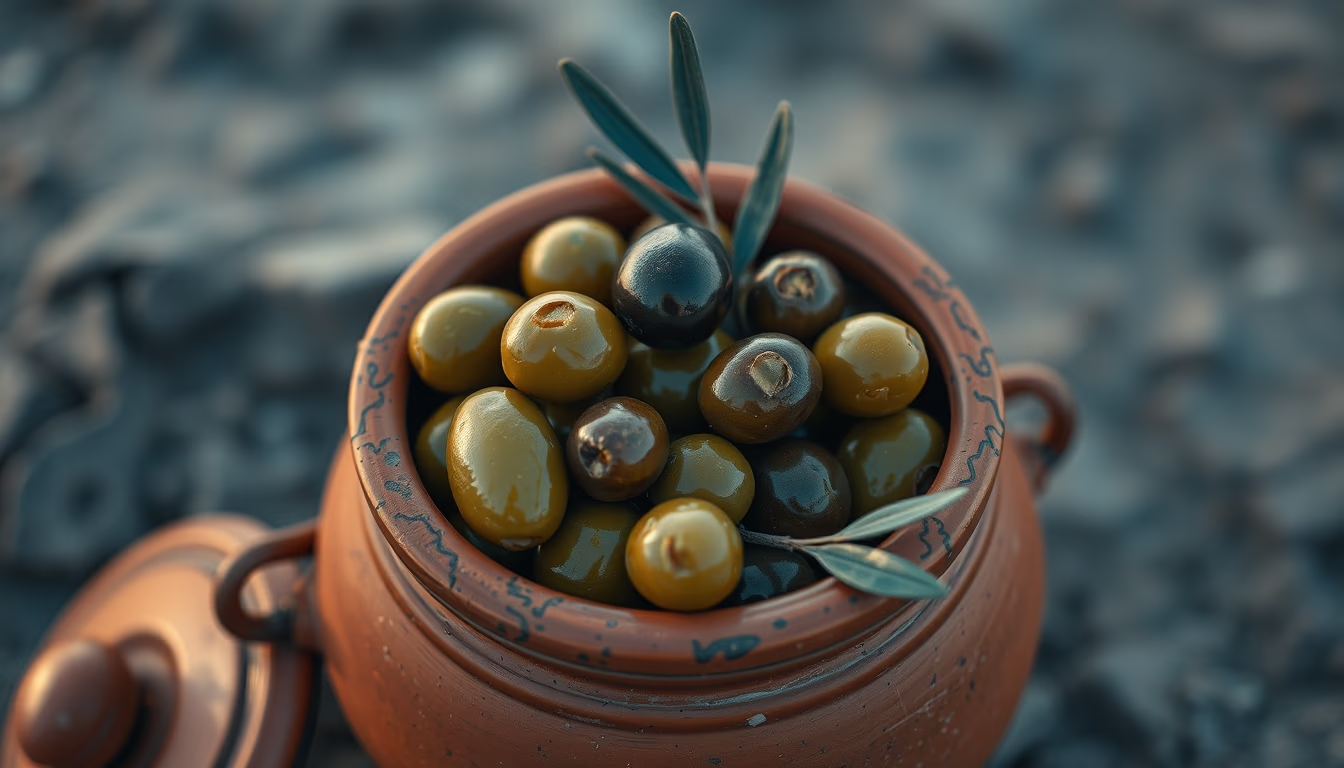
Olive branches with green olives
1344×768 · AVIF · CC BY 4.0
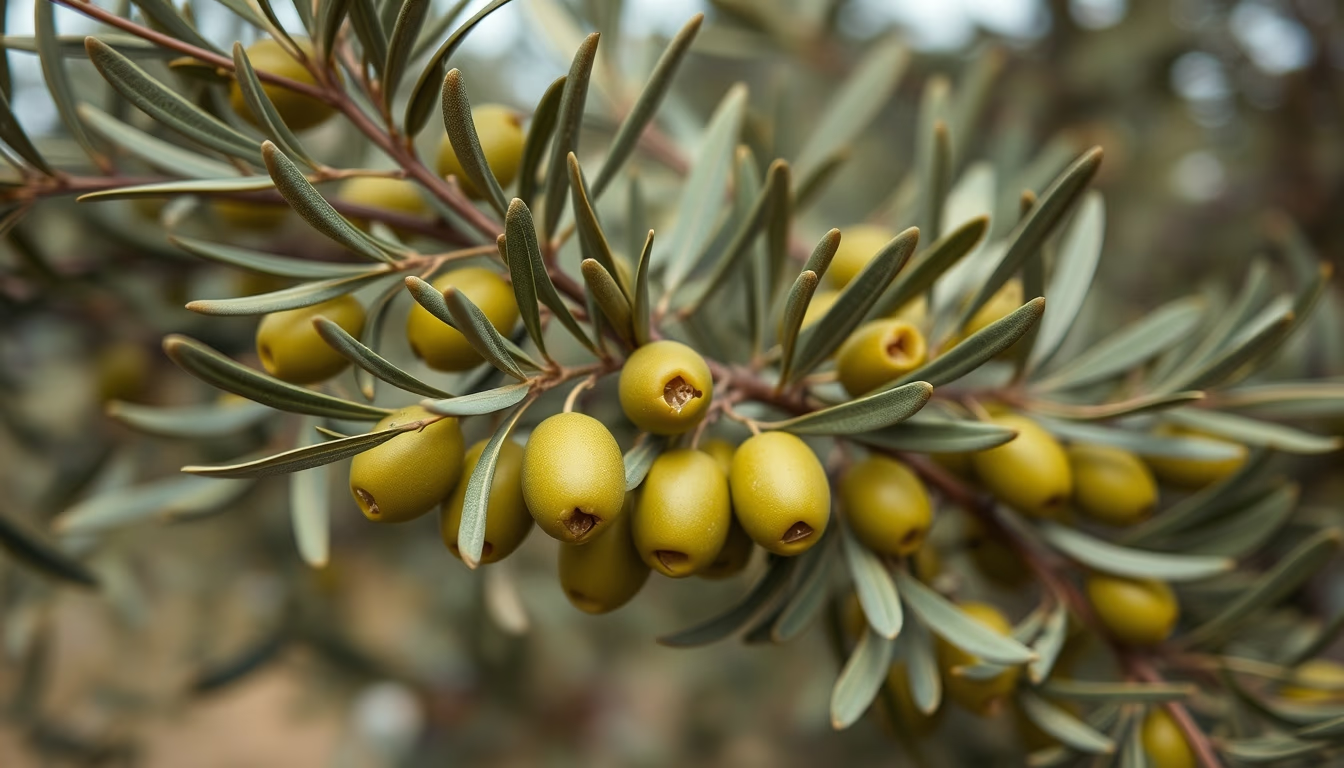
Olive branches with green olives, representing the harvest and cultivation of the olive tree (Olea europaea) in Brazil and worldwide.
About this subject
The olive tree, Olea europaea, is an ancient fruit tree native to the Mediterranean region, cultivated for over 6,000 years. Its fruits, olives, are prized both for table consumption and oil production. In Brazil, cultivation began expanding in the 20th century, especially in the states of Rio Grande do Sul, Minas Gerais, São Paulo, and Santa Catarina, where the subtropical climate supports growth. The Arbequina variety is one of the most adapted to Brazilian soil, producing small, oily olives.
Green olives are harvested before full ripening, when they are still green and firm. To become edible, they undergo a curing process that removes oleuropein, a bitter compound. Methods include brine curing, lye (sodium hydroxide) treatment, or fermentation. Black olives are left to ripen on the tree, developing a milder, sweeter flavor. Brazil imports most of its olives, but domestic production is growing, notably in the Campanha Gaúcha region.
Extra virgin olive oil, extracted from the first cold pressing, is rich in monounsaturated fats and antioxidants, benefiting cardiovascular health. Brazil produces about 20 million liters of olive oil annually, mostly in Rio Grande do Sul. The olive tree holds deep cultural symbolism: it represents peace, wisdom, and prosperity across traditions, from ancient Greece to biblical references. Its branch is a universal peace icon.
Fun fact: Olive trees can live for centuries; some in the Mediterranean are over 2,000 years old. In Brazil, olive farming is encouraged by development programs, and producers invest in irrigation and management technologies to improve fruit quality. Green olives are commonly used in appetizers, salads, and pizzas, while olive oil is the cornerstone of the Mediterranean diet.
Frequently Asked Questions
What is the difference between green and black olives?
The main difference is the stage of ripeness: green olives are harvested unripe, while black olives are left to ripen on the tree. This affects texture, flavor, and curing process. Both come from the same tree, but specific varieties may be better suited for each type.
Where are olive trees grown in Brazil?
The main producing regions are Rio Grande do Sul (especially Campanha Gaúcha), Minas Gerais, São Paulo, and Santa Catarina. The subtropical climate of these areas is favorable for cultivation, though Brazil still imports most of its consumed olives.
How are green olives cured?
Green olives undergo a curing process to remove oleuropein, a bitter compound. Common methods include brining (water and salt), lye treatment (sodium hydroxide), or natural fermentation. The process can take from days to months, depending on the technique and desired outcome.
Direct URL
https://pub-c7d6a6ea828543ac903a74a341ccb2e1.r2.dev/imagens/olive-branches-with-green-olives-film-grain-authentic-p11.avifHow to credit
Include a visible link back to UtilizAí. Copy one of the snippets below:
<a href="https://xn--utiliza-eza.com/en/midia/imagens/olive-branches-with-green-olives-film-grain-authentic-p11">Olive branches with green olives</a> by <a href="https://xn--utiliza-eza.com">UtilizAí</a>, licensed under <a href="https://creativecommons.org/licenses/by/4.0/">CC BY 4.0</a>.
[Olive branches with green olives](https://xn--utiliza-eza.com/en/midia/imagens/olive-branches-with-green-olives-film-grain-authentic-p11) by [UtilizAí](https://xn--utiliza-eza.com), CC BY 4.0
License: CC-BY-4.0