Olive branches with green olives
1344×768 · AVIF · CC BY 4.0
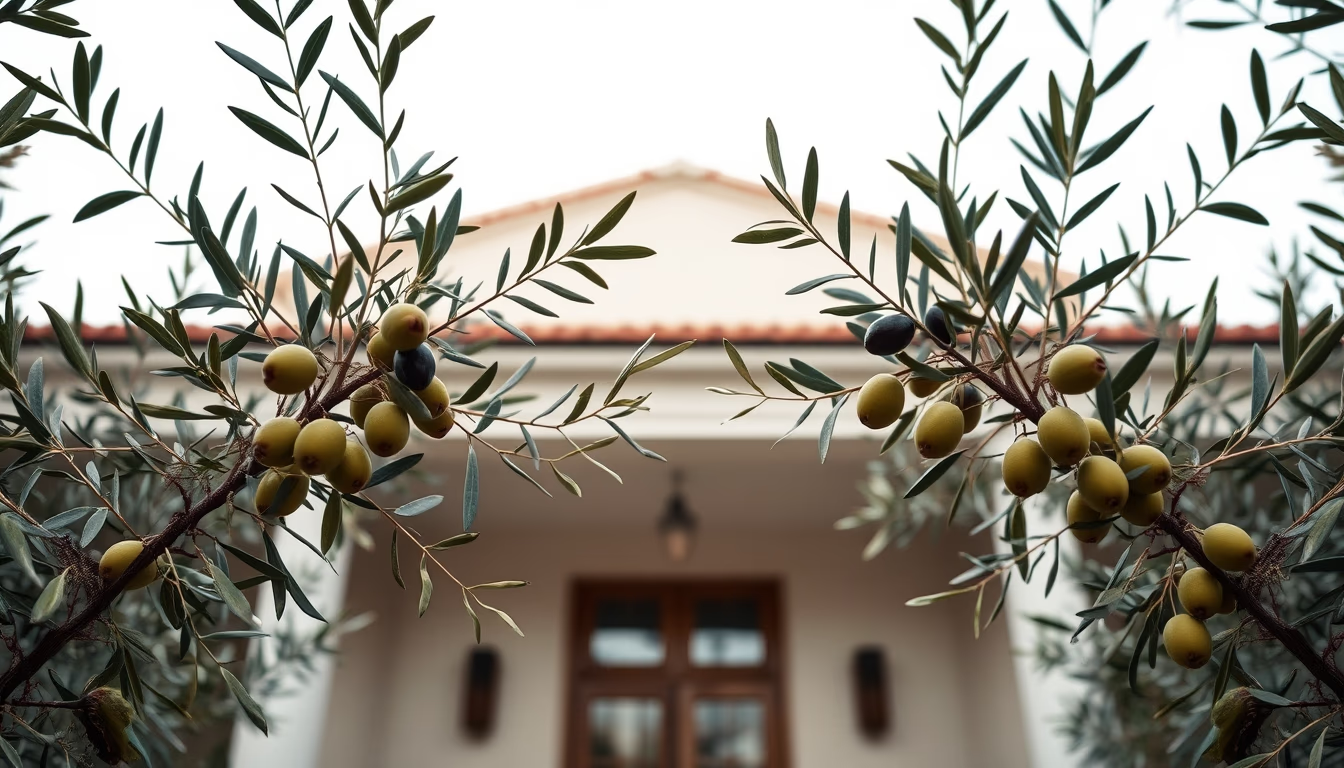
Olive branches with green olives: immature fruit of Olea europaea, widely cultivated in the Mediterranean and cured before consumption.
About this subject
The olive tree (Olea europaea) is an ancient tree native to the Mediterranean region, where cultivation has occurred for thousands of years. Green olives are harvested before full ripening, when they still have a green color and firm texture. Unlike black olives, which are allowed to mature on the tree, green olives undergo a curing process to remove oleuropein, a bitter compound. Common curing methods include brine immersion, lye fermentation, or dry salting. Popular green olive varieties include Manzanilla, Picholine, and Gordal.
In Brazil, green olives are widely consumed, though domestic production is limited, leading global producers are Spain, Italy, Greece, and Turkey. Olives are rich in monounsaturated fats, vitamin E, and antioxidants, linked to cardiovascular protection. The olive branch has symbolized peace since ancient Greece, appearing in the UN flag and national emblems.
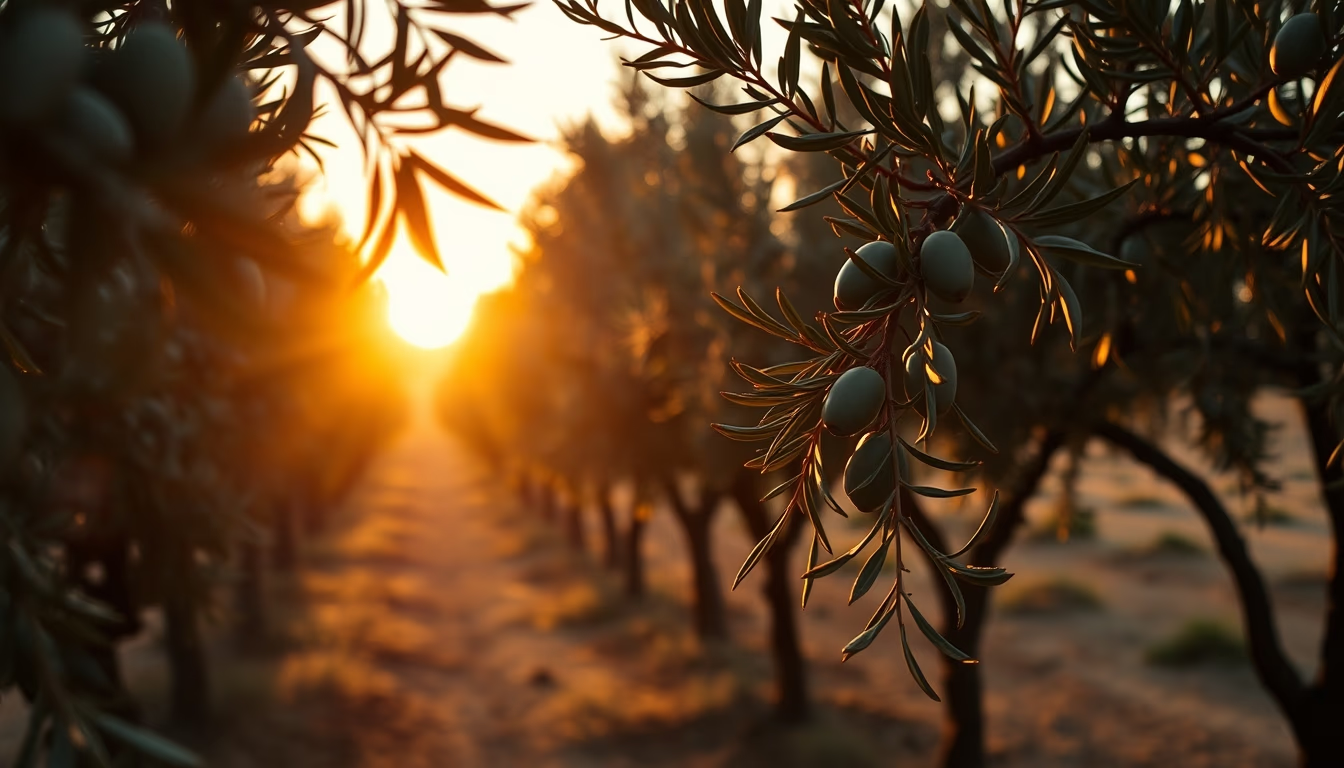
Green olive harvest occurs typically between September and November in the Northern Hemisphere. Fruits are hand-picked or mechanically shaken to avoid bruising. After curing, they are often stuffed with pimento, garlic, or almond, used in salads, pizzas, and antipasti. Olive oil from green olives has a spicier, more herbaceous flavor than that from ripe olives.
Frequently Asked Questions
What is the difference between green and black olives?
Green olives are harvested unripe, while black olives are left to fully ripen on the tree. This affects texture, flavor, and bitterness. Both come from the same species, though specific varieties are often preferred for each type.
How are green olives processed for eating?
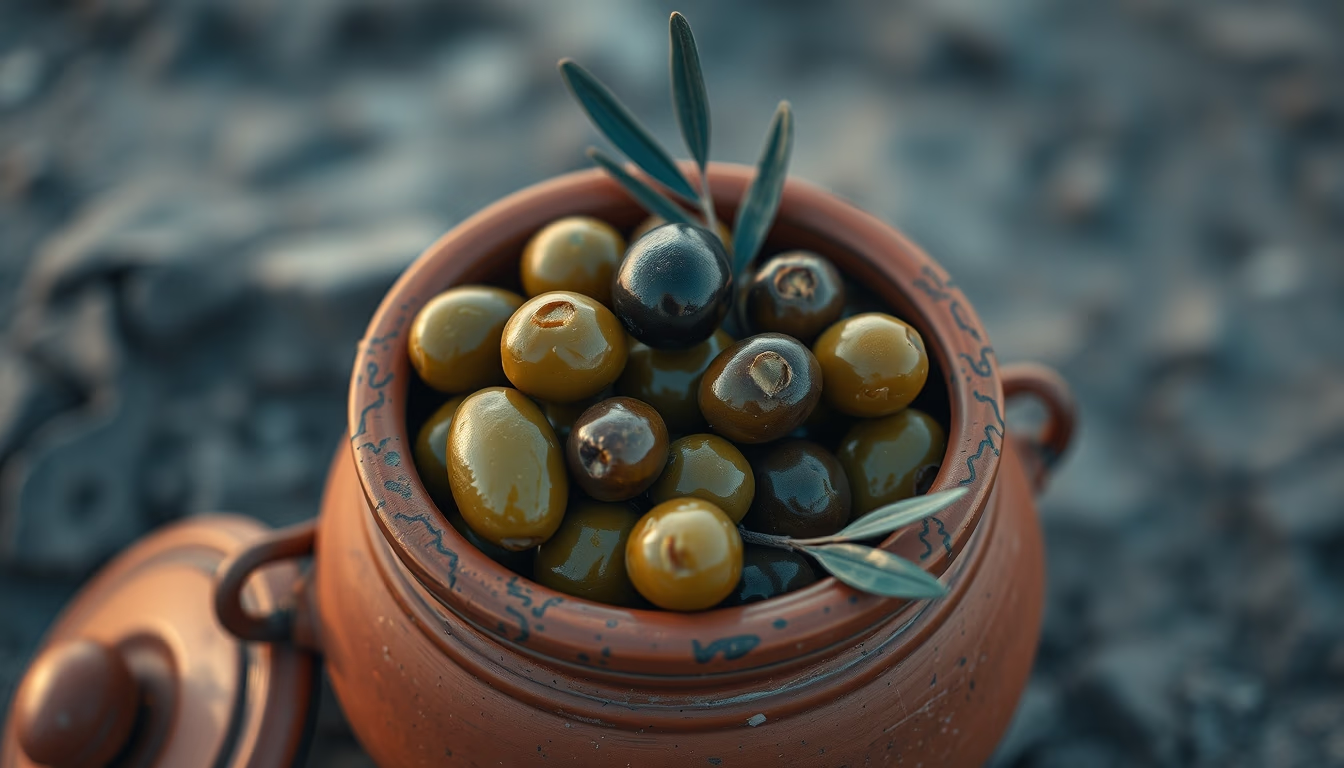
They undergo curing to remove bitterness: brine immersion for weeks, lye treatment (faster method), or dry salt curing. Some varieties like Manzanilla are fermented for flavor. They are then packed in brine or olive oil.
Are green olives nutritious?
Yes. They provide heart-healthy monounsaturated fats, vitamin E, and antioxidants. However, they are high in sodium due to brining, so consumption should be moderate, especially for individuals with hypertension.
Direct URL
https://pub-c7d6a6ea828543ac903a74a341ccb2e1.r2.dev/imagens/olive-branches-with-green-olives-architectural-photography-p10.avifHow to credit
Include a visible link back to UtilizAí. Copy one of the snippets below:
<a href="https://xn--utiliza-eza.com/en/midia/imagens/olive-branches-with-green-olives-architectural-photography-p10">Olive branches with green olives</a> by <a href="https://xn--utiliza-eza.com">UtilizAí</a>, licensed under <a href="https://creativecommons.org/licenses/by/4.0/">CC BY 4.0</a>.
[Olive branches with green olives](https://xn--utiliza-eza.com/en/midia/imagens/olive-branches-with-green-olives-architectural-photography-p10) by [UtilizAí](https://xn--utiliza-eza.com), CC BY 4.0
License: CC-BY-4.0