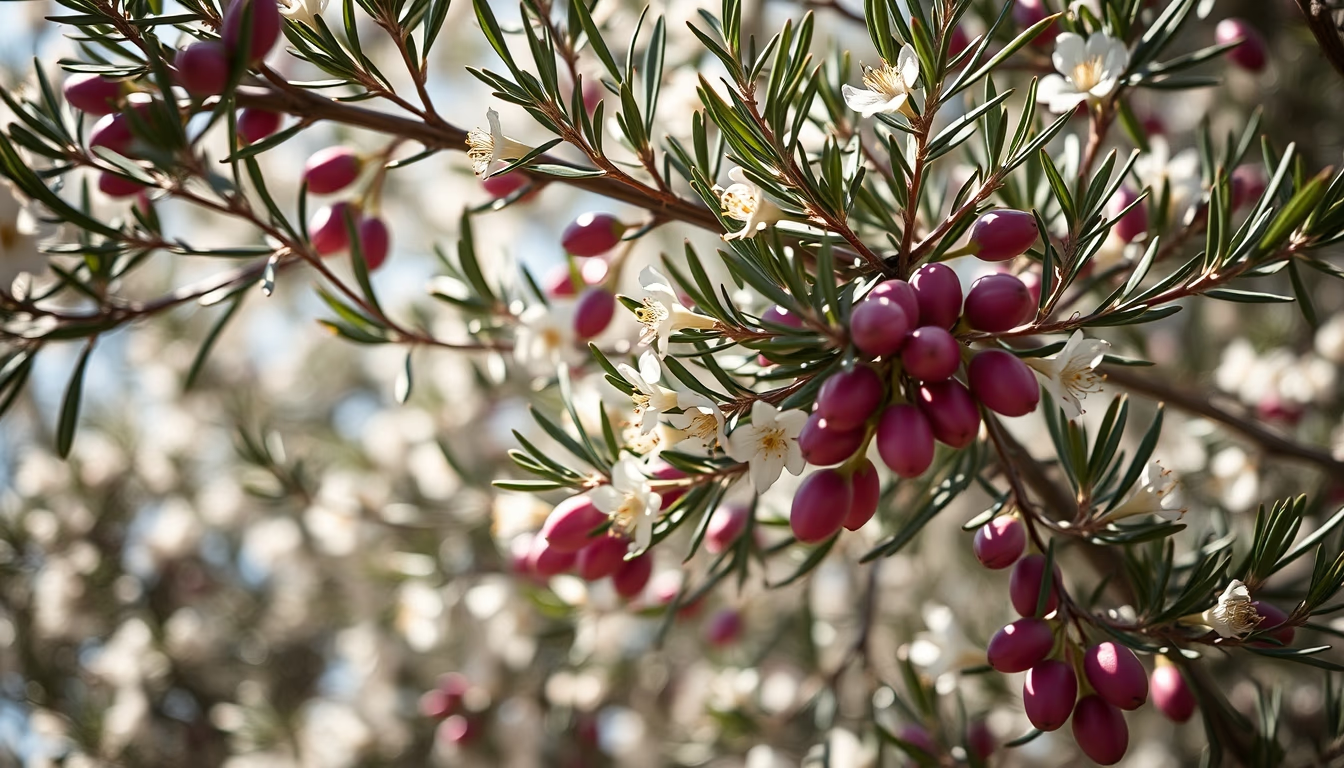
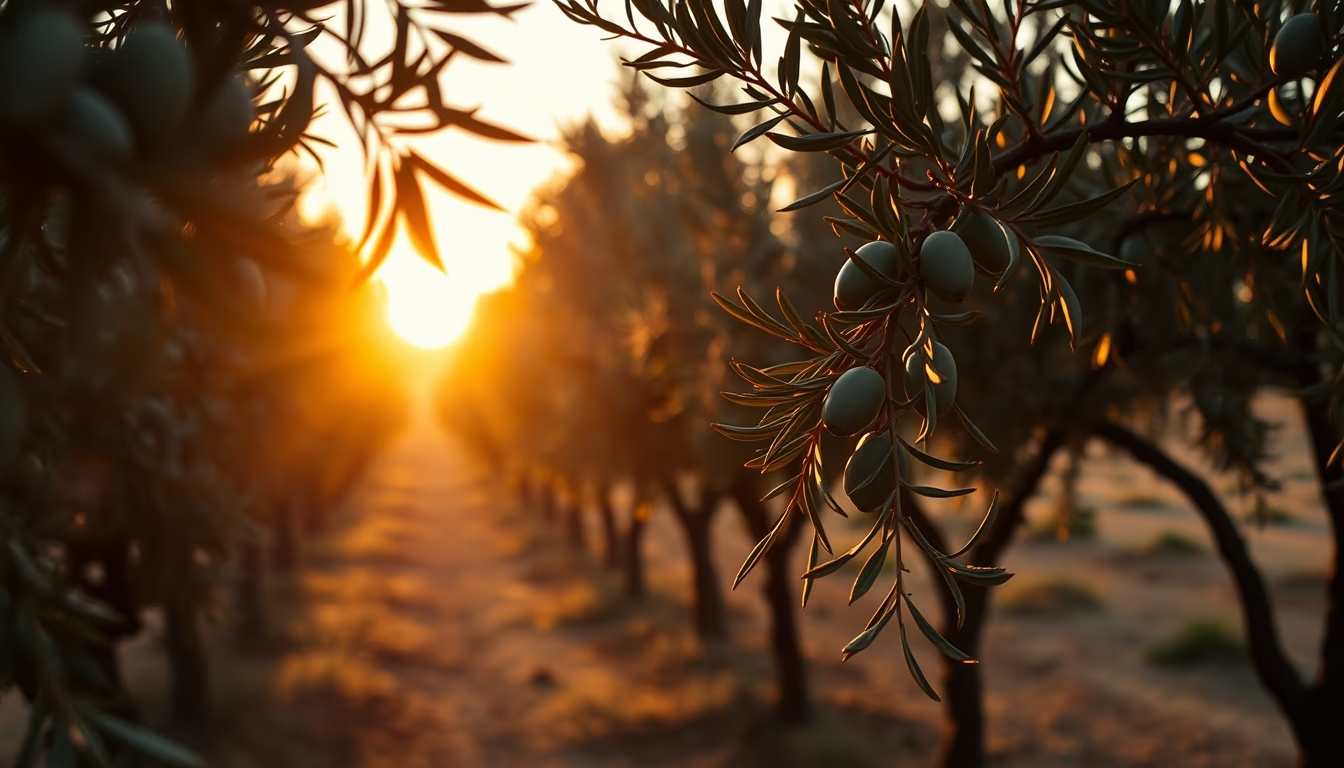
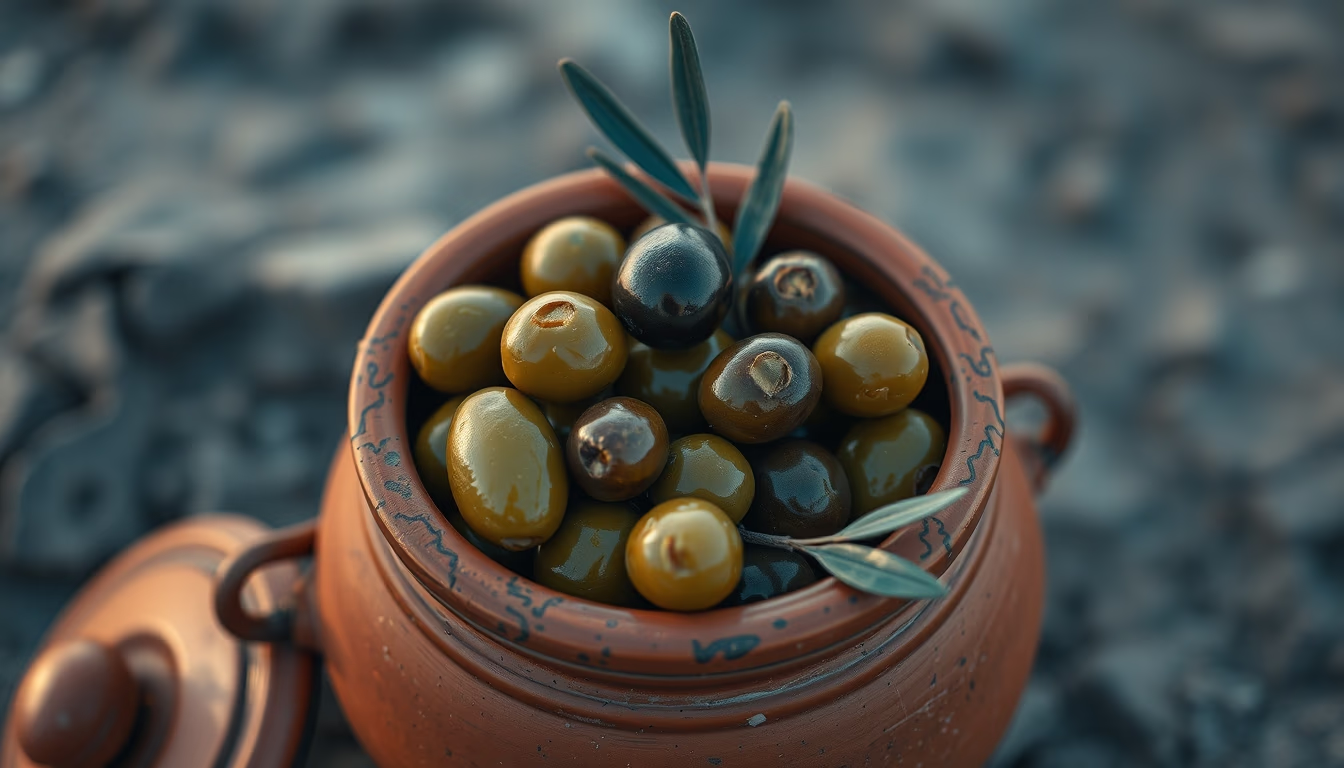
Olive branches with green olives
1344×768 · AVIF · CC BY 4.0
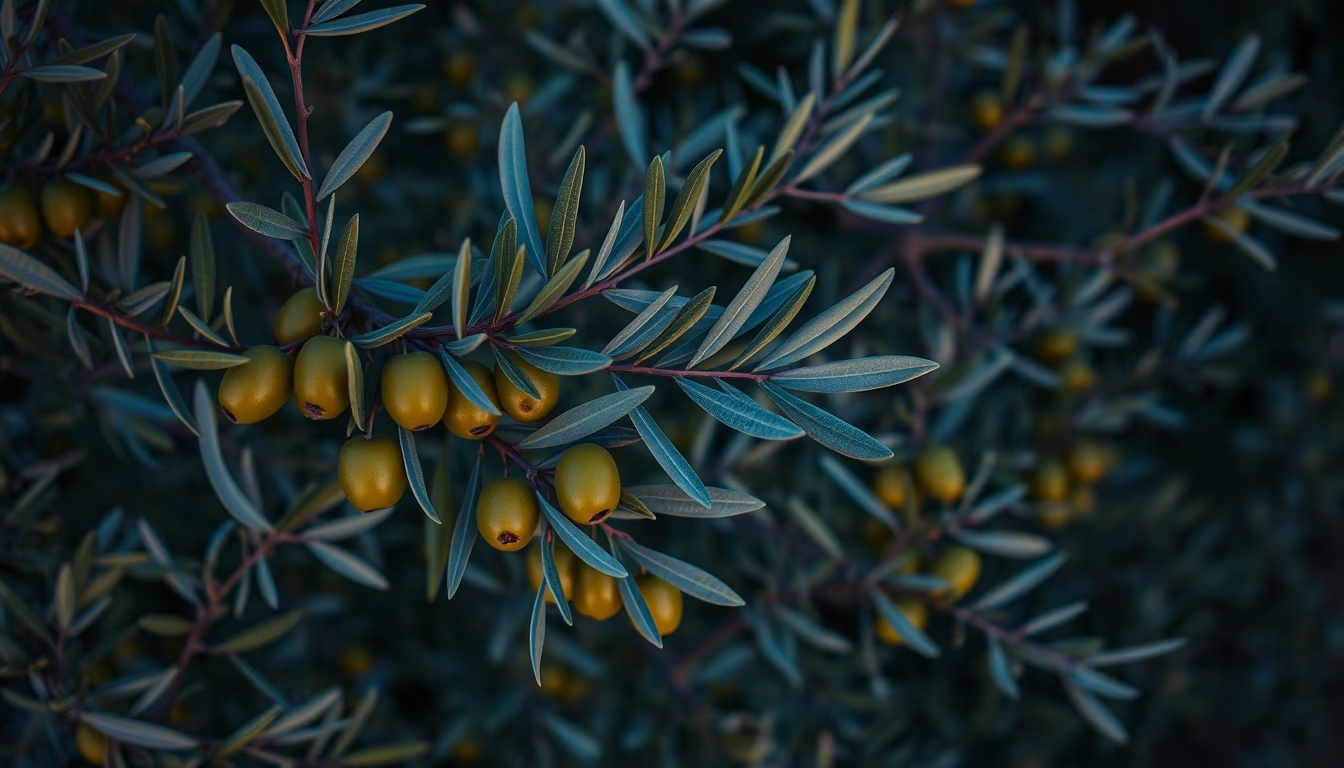
Olive branches with green olives in cultivation: origin, harvest, and economic importance of the Mediterranean fruit.
About this subject
Olive trees (Olea europaea) are ancient trees native to the Mediterranean region, cultivated for over 6,000 years. Green olives are harvested before full ripening, when they still have a green color and firm texture. They are widely used in cooking, whether in pickles, seasonings, or olive oil production, though green olive oil is less common than that from ripe olives.
The harvest of green olives occurs between September and November in the Northern Hemisphere, depending on the variety and region. Leading producers include Spain, Italy, Greece, Turkey, and Portugal. In Brazil, olive cultivation has been expanding in Rio Grande do Sul and Minas Gerais, adapting to subtropical climates. Green olives undergo processing to remove natural bitterness through fermentation or lye treatment.
Beyond food, olive trees hold strong cultural symbolism: they represent peace, wisdom, and prosperity. Olive branches appear on flags (such as the United Nations flag) and in biblical narratives. Global olive production exceeds 20 million tons annually, with green olives accounting for about 10% of that total. Oil extracted from green olives has a fruitier, spicier flavor, valued by chefs.
Olive trees are hardy, often living for centuries, and their cultivation is frequently associated with sustainable agricultural practices in Mediterranean climates. Green olives are rich in monounsaturated fats, vitamin E, and antioxidants, contributing to a healthy diet.
Frequently Asked Questions
What is the difference between green olives and black olives?
Green olives are harvested before full ripening, while black olives are allowed to fully ripen on the tree. Green olives have a firmer texture and more bitter taste, requiring processing before consumption.
How are green olives processed to remove bitterness?
The most common method is fermentation in brine, which can take weeks or months. Alternatively, lye treatment (sodium hydroxide) is used to speed up bitterness removal, followed by washing and storage in brine.
Where are olive trees grown in Brazil?
Olive cultivation in Brazil is mainly in Rio Grande do Sul and Minas Gerais states, especially in the Serra Gaúcha and Mantiqueira regions. The subtropical climate there allows for olive and olive oil production.
Direct URL
https://pub-c7d6a6ea828543ac903a74a341ccb2e1.r2.dev/imagens/olive-branches-with-green-olives-aerial-drone-shot-p1.avifHow to credit
Include a visible link back to UtilizAí. Copy one of the snippets below:
<a href="https://xn--utiliza-eza.com/en/midia/imagens/olive-branches-with-green-olives-aerial-drone-shot-p1">Olive branches with green olives</a> by <a href="https://xn--utiliza-eza.com">UtilizAí</a>, licensed under <a href="https://creativecommons.org/licenses/by/4.0/">CC BY 4.0</a>.
[Olive branches with green olives](https://xn--utiliza-eza.com/en/midia/imagens/olive-branches-with-green-olives-aerial-drone-shot-p1) by [UtilizAí](https://xn--utiliza-eza.com), CC BY 4.0
License: CC-BY-4.0