Oil slick rainbow
1344×768 · AVIF · CC BY 4.0
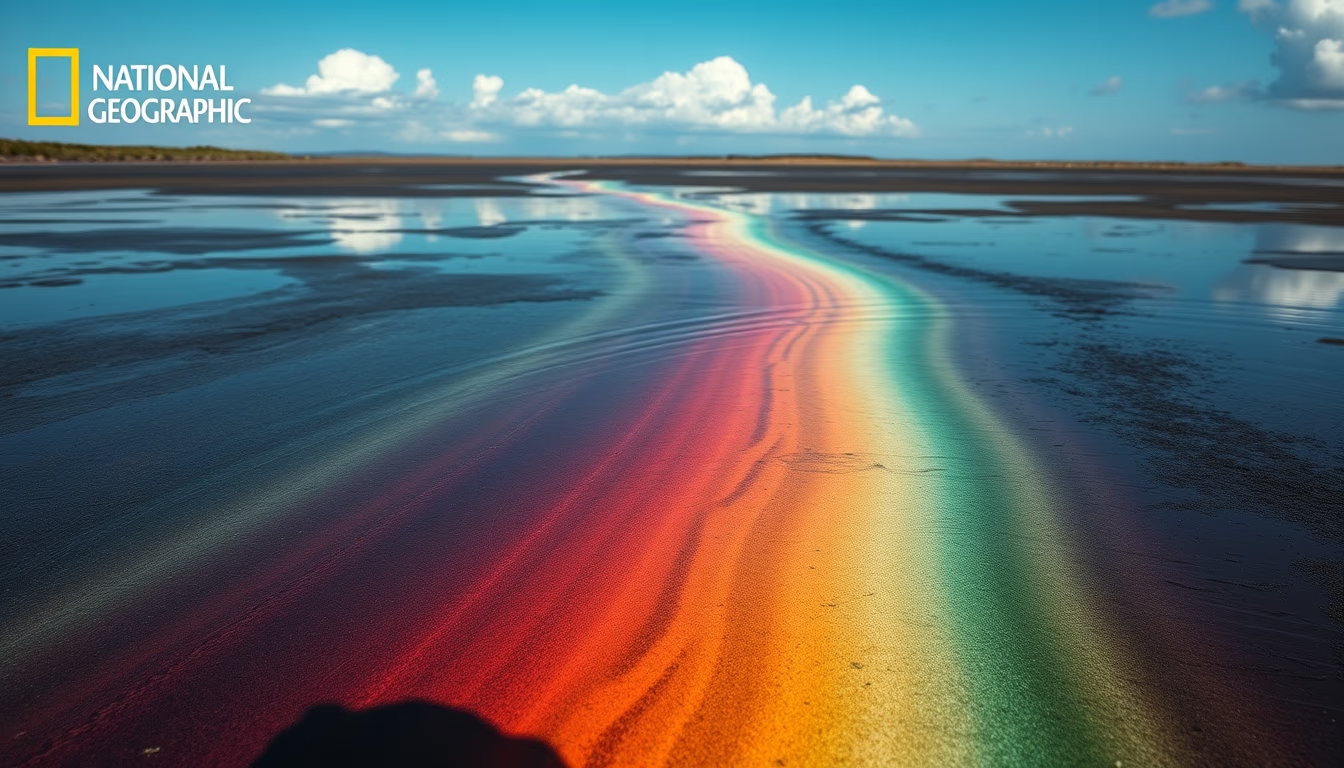
Optical phenomenon where thin oil layers on water create colorful patterns, revealing physical and environmental properties.
About this subject
The rainbow seen in oil slicks on water is caused by thin-film interference. When white light hits an oil layer with thickness comparable to the wavelength of light, part reflects off the top surface and part off the oil-water interface. These reflected waves interfere constructively or destructively, amplifying certain wavelengths and producing vivid colors. The same phenomenon creates colors in soap bubbles and butterfly wings.
Oil slicks originate from various sources: accidental petroleum spills, boat engine discharges, urban runoff of cooking oils and lubricants. Though visually striking, these films indicate pollution that can suffocate aquatic life by blocking oxygen exchange and intoxicating organisms. Iridescence serves as a visual warning of contamination.
Scientists use the colors of slicks to estimate oil layer thickness. A silvery sheen indicates thickness below 0.05 micrometers, while intense reds and greens appear between 0.3 and 0.5 micrometers. This passive remote sensing technique helped map the extent of the Deepwater Horizon spill in 2010.
The thickness determines not only the color but the amount of oil present. A full rainbow requires a layer between 0.1 and 1 micrometer. Above that, colors become duller and eventually disappear. This color pattern can even help identify the type of oil, as different hydrocarbons have distinct refractive indices.
Frequently Asked Questions
What causes the rainbow colors in oil slicks?
Colors are caused by thin-film interference. Light reflects off the top and bottom surfaces of the oil layer, and the reflected waves combine to reinforce certain colors and cancel others, depending on the film's thickness.
How thick is the oil layer that produces these colors?
For a visible rainbow, thickness ranges from 0.1 to 1 micrometer. Specific colors indicate thickness: silver (less than 0.05 µm), red/green (0.3-0.5 µm).
Is every iridescent oil slick harmful to the environment?
Yes, even thin films indicate pollution. They block oxygen exchange at the water's surface and may contain toxic compounds that harm aquatic life.
Direct URL
https://pub-c7d6a6ea828543ac903a74a341ccb2e1.r2.dev/imagens/oil-slick-rainbow-national-geographic-style-p3.avifHow to credit
Include a visible link back to UtilizAí. Copy one of the snippets below:
<a href="https://xn--utiliza-eza.com/en/midia/imagens/oil-slick-rainbow-national-geographic-style-p3">Oil slick rainbow</a> by <a href="https://xn--utiliza-eza.com">UtilizAí</a>, licensed under <a href="https://creativecommons.org/licenses/by/4.0/">CC BY 4.0</a>.
[Oil slick rainbow](https://xn--utiliza-eza.com/en/midia/imagens/oil-slick-rainbow-national-geographic-style-p3) by [UtilizAí](https://xn--utiliza-eza.com), CC BY 4.0
License: CC-BY-4.0