Oil paint palette artist
1344×768 · AVIF · CC BY 4.0
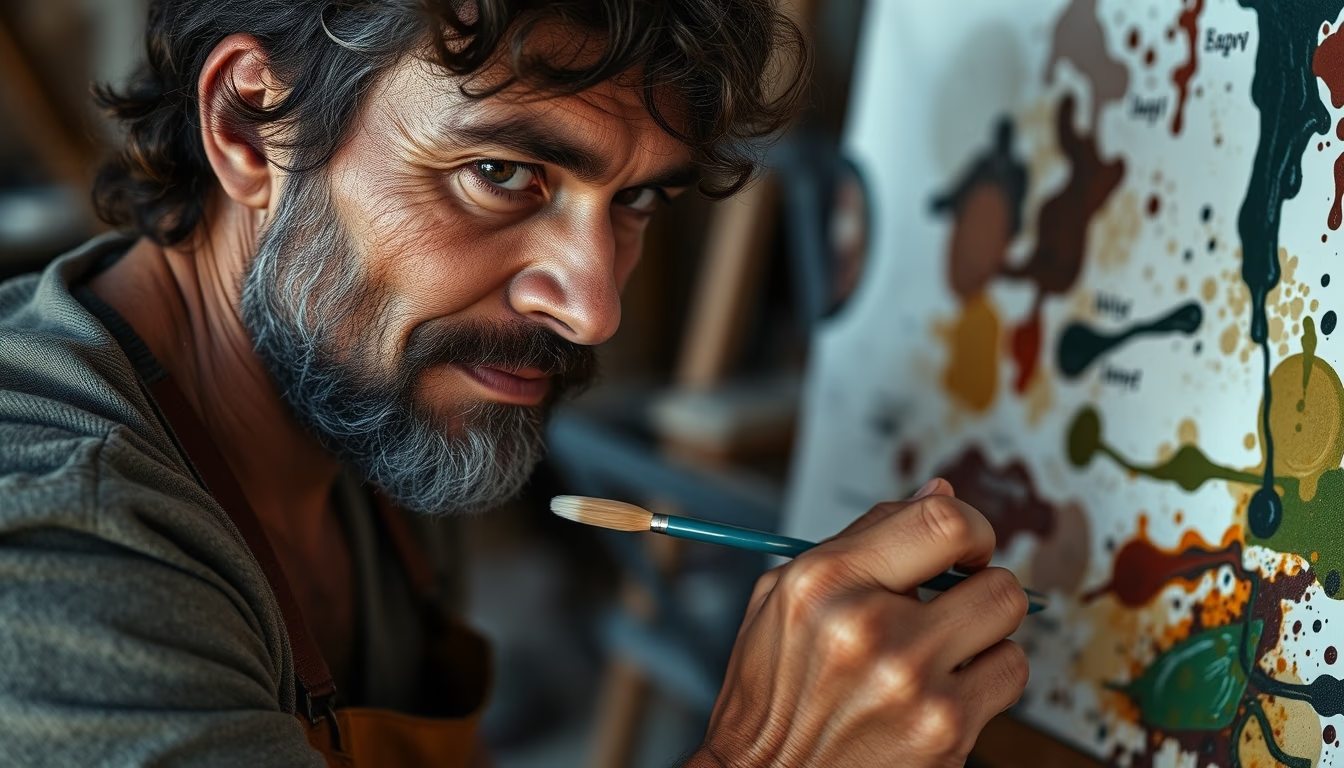
The oil paint palette is an essential tool for artists, carrying centuries of tradition and pictorial technique.
About this subject
The oil paint palette, typically made of wood or glass, is the surface where the artist arranges and mixes colors before applying them to the canvas. Its origins date back to the Renaissance, when painters like Leonardo da Vinci and Titian began using vegetable oils as binders for pigments, replacing tempera. Since then, the palette has evolved from simple wooden boards to ergonomic designs, such as the oval palette with a thumb hole, allowing the artist to hold it while painting. The choice of material affects durability and paint mixing: traditional woods like walnut or mahogany are common, while glass offers a non-porous surface and easy cleaning.
The organization of colors on the palette follows principles of color theory, often arranged in spectral order or by temperature (warm colors on one side, cool on the other). Experienced artists maintain separate areas for mixing to avoid contamination. The palette also reflects personal style: Impressionist painters like Claude Monet used vibrant palettes with pure colors, while Baroque masters preferred earthy tones and shades. Proper maintenance, such as scraping off excess paint and cleaning with linseed oil, extends the tool's life.
In the context of documentary photography, such as the National Geographic style, the palette stands out as a symbol of the creative process, revealing the artist's chromatic choices and technique. Each paint stain tells a story of experimentation and precision, from preparation to final artwork. The palette is not just a tool but a visual record of the artistic journey.
Frequently Asked Questions
What is the best wood for an oil paint palette?
Dense, non-porous woods like walnut, mahogany, or birch are ideal because they do not absorb oil from paints and provide a smooth mixing surface.
How to properly clean an oil paint palette?
Scrape off excess paint with a palette knife and wipe with a cloth soaked in linseed oil or mineral spirits. Avoid soap and water, which can damage the wood.
Why do artists arrange colors on the palette in a specific way?
The arrangement follows the color wheel or temperature, making mixing easier and avoiding contamination. Artists develop personal layouts that streamline the creative process.
Direct URL
https://pub-c7d6a6ea828543ac903a74a341ccb2e1.r2.dev/imagens/oil-paint-palette-artist-national-geographic-style-p0.avifHow to credit
Include a visible link back to UtilizAí. Copy one of the snippets below:
<a href="https://xn--utiliza-eza.com/en/midia/imagens/oil-paint-palette-artist-national-geographic-style-p0">Oil paint palette artist</a> by <a href="https://xn--utiliza-eza.com">UtilizAí</a>, licensed under <a href="https://creativecommons.org/licenses/by/4.0/">CC BY 4.0</a>.
[Oil paint palette artist](https://xn--utiliza-eza.com/en/midia/imagens/oil-paint-palette-artist-national-geographic-style-p0) by [UtilizAí](https://xn--utiliza-eza.com), CC BY 4.0
License: CC-BY-4.0