Octopus coral camouflage
1344×768 · AVIF · CC BY 4.0
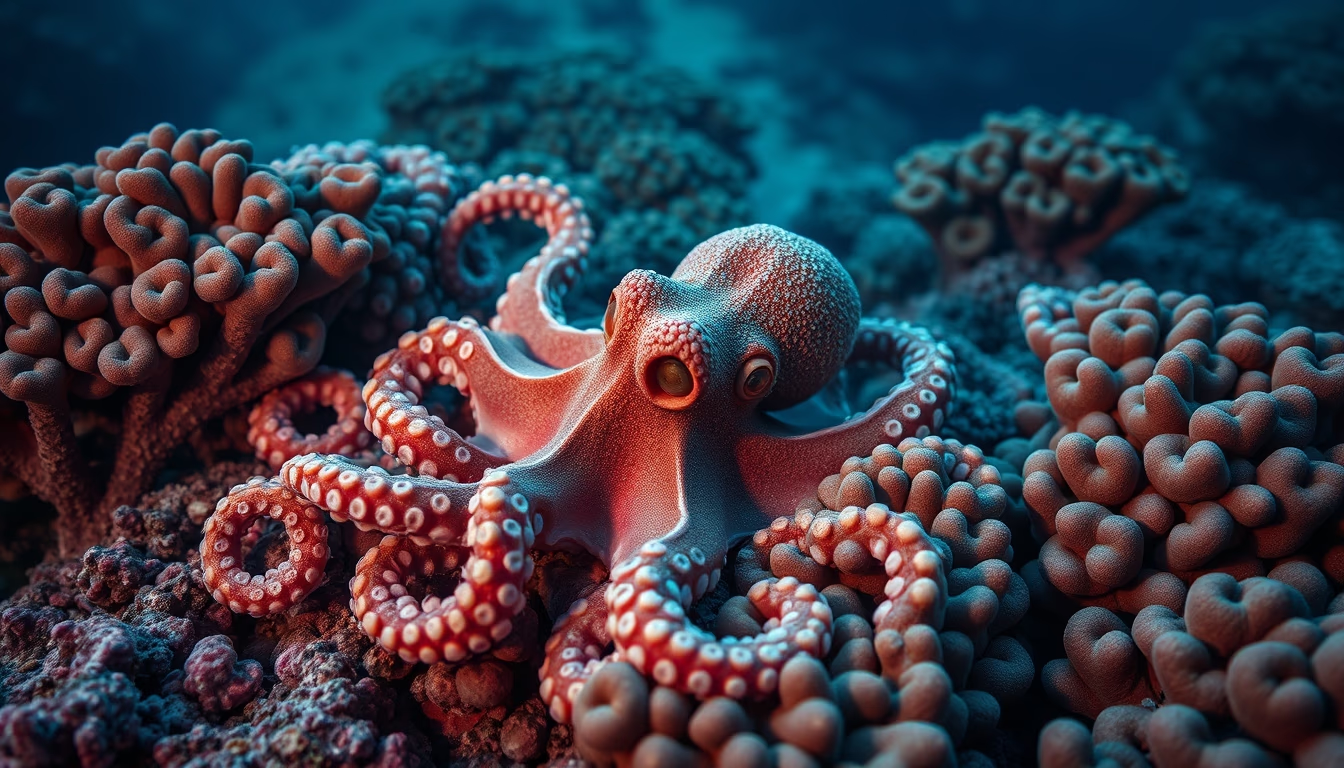
The octopus is a master of camouflage on coral reefs, changing color and texture in milliseconds to hide from predators.
About this subject
Octopuses are renowned for their extraordinary camouflage abilities in marine environments, especially on coral reefs. This capability is due to specialized skin cells called chromatophores, which contain pigments and can expand or contract rapidly, changing the animal's color. Additionally, octopuses have muscular papillae that adjust skin texture to mimic surfaces such as coral, sand, or rocks. Species like the reef octopus (Octopus cyanea) are particularly skilled, able to blend perfectly into the background in less than a second.
Camouflage is not just about color but also behavior. Octopuses can modify body shape, posture, and even movement to deceive predators and prey. On coral reefs, where biodiversity is high and hiding spots are abundant, camouflage is a vital survival strategy. Studies show that octopuses visually recognize their environment and adjust their appearance accordingly, a process involving complex neural processing.
Interestingly, some octopuses can also mimic other animals, such as the mimic octopus (Thaumoctopus mimicus), which copies the appearance and movement of venomous species to deter predators. This form of mimicry is rare in the animal kingdom. Beyond visual camouflage, some species use bioluminescence, though this is less common in shallow coral reefs. The combination of sensory and motor adaptations makes the octopus one of the most intelligent and versatile invertebrates in the ocean.
Frequently Asked Questions
How do octopuses change color so quickly?
Octopuses have specialized skin cells called chromatophores that contain pigments. Muscles control these cells to expand or contract, changing color in milliseconds. Additionally, muscular papillae adjust skin texture.
Why do octopuses need to camouflage?
Camouflage is vital for octopus survival because they are prey to many predators such as fish, sharks, and dolphins. They also use camouflage to approach prey without being detected.
Can octopuses mimic other animals?
Yes, the mimic octopus (Thaumoctopus mimicus) is famous for imitating venomous species like lionfish and sea snakes to deter predators. This ability is an example of Batesian mimicry.
Direct URL
https://pub-c7d6a6ea828543ac903a74a341ccb2e1.r2.dev/imagens/octopus-coral-camouflage-aerial-drone-shot-p5.avifHow to credit
Include a visible link back to UtilizAí. Copy one of the snippets below:
<a href="https://xn--utiliza-eza.com/en/midia/imagens/octopus-coral-camouflage-aerial-drone-shot-p5">Octopus coral camouflage</a> by <a href="https://xn--utiliza-eza.com">UtilizAí</a>, licensed under <a href="https://creativecommons.org/licenses/by/4.0/">CC BY 4.0</a>.
[Octopus coral camouflage](https://xn--utiliza-eza.com/en/midia/imagens/octopus-coral-camouflage-aerial-drone-shot-p5) by [UtilizAí](https://xn--utiliza-eza.com), CC BY 4.0
License: CC-BY-4.0