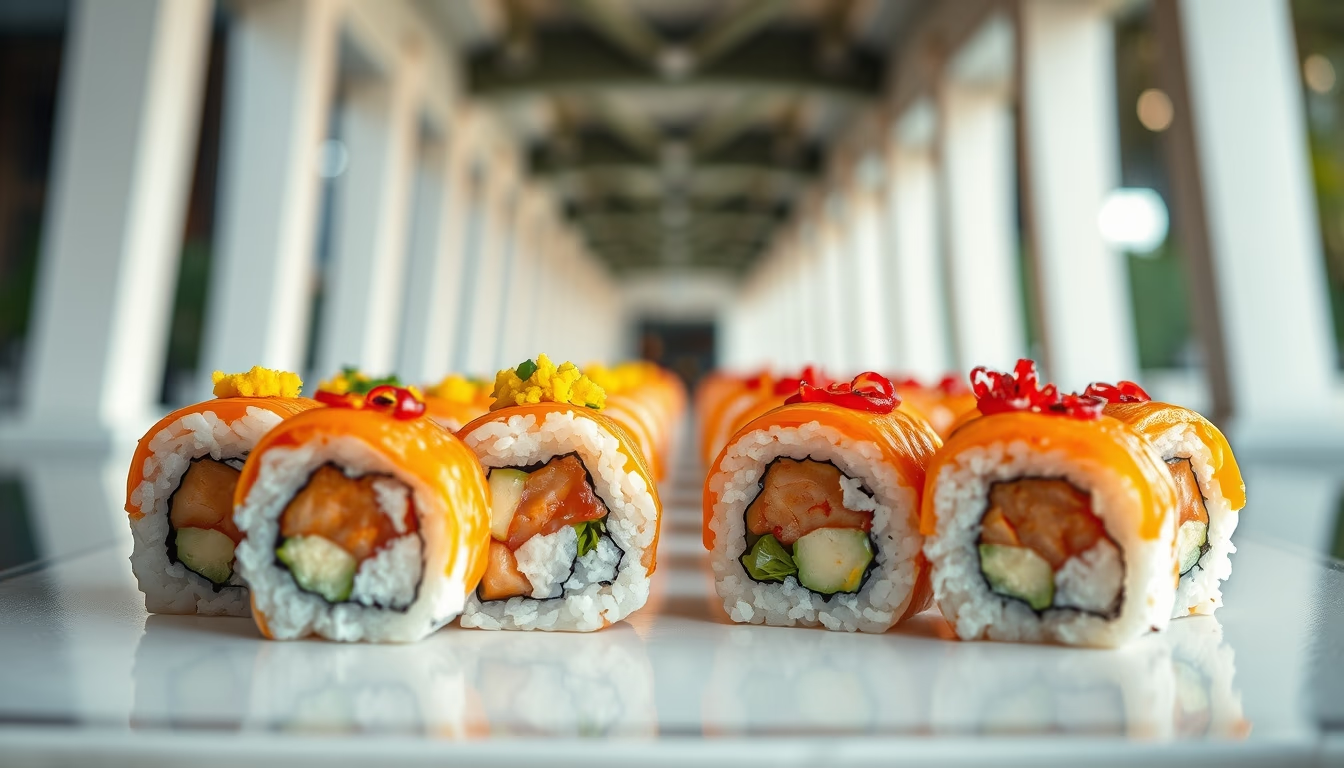
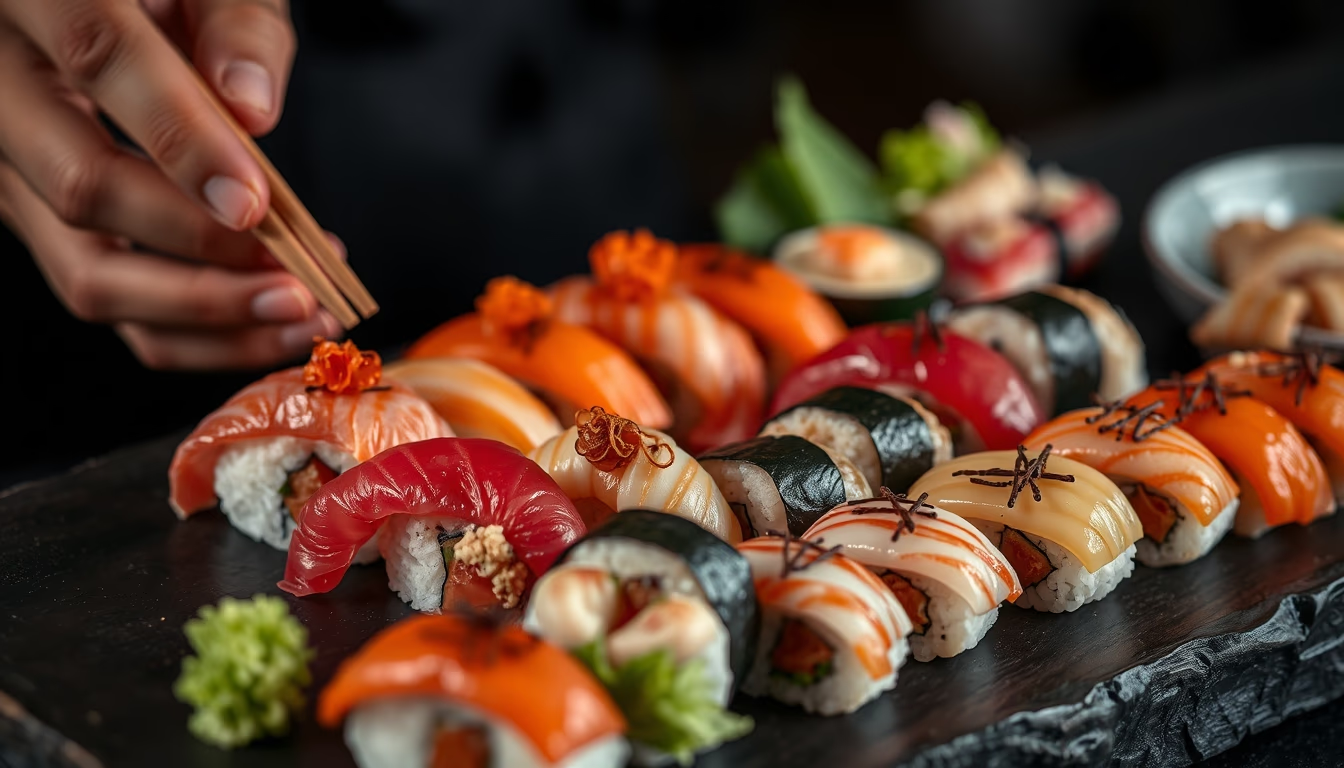
Nigiri assortment platter
1344×768 · AVIF · CC BY 4.0
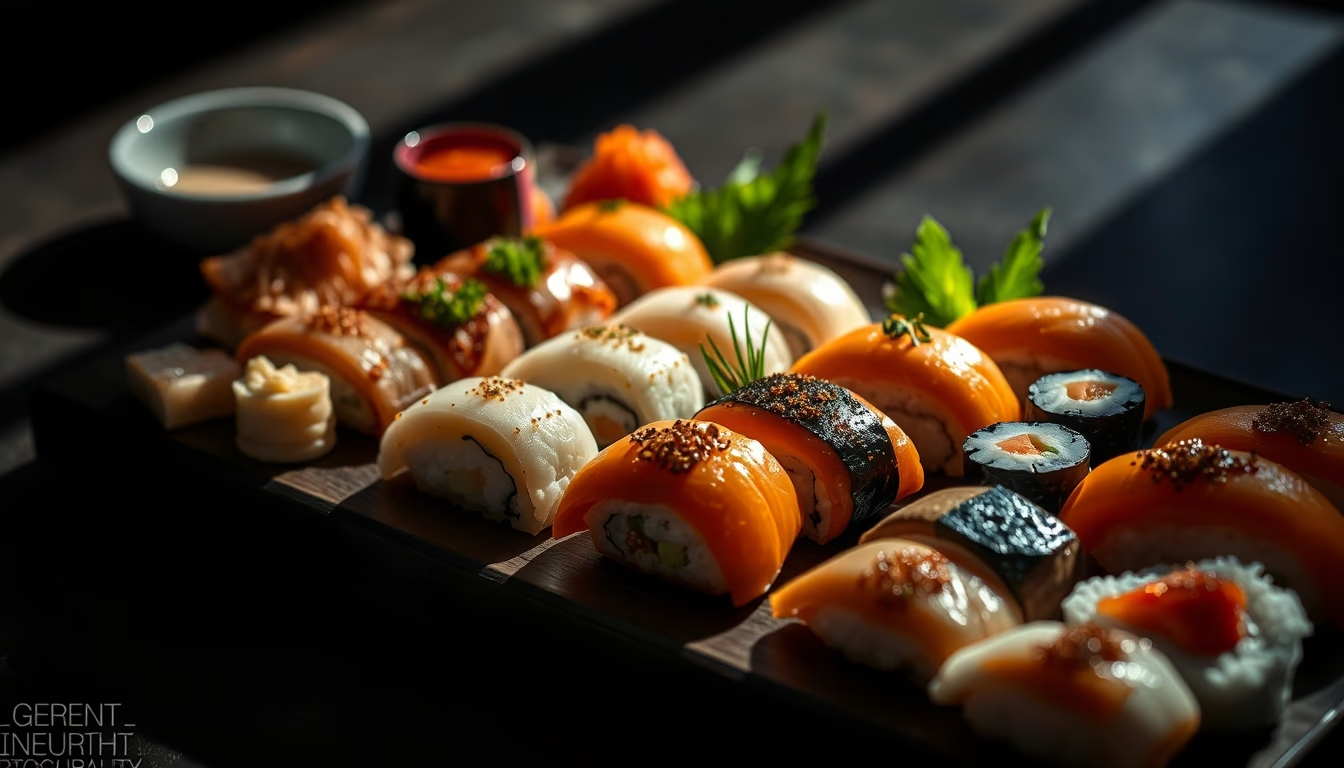
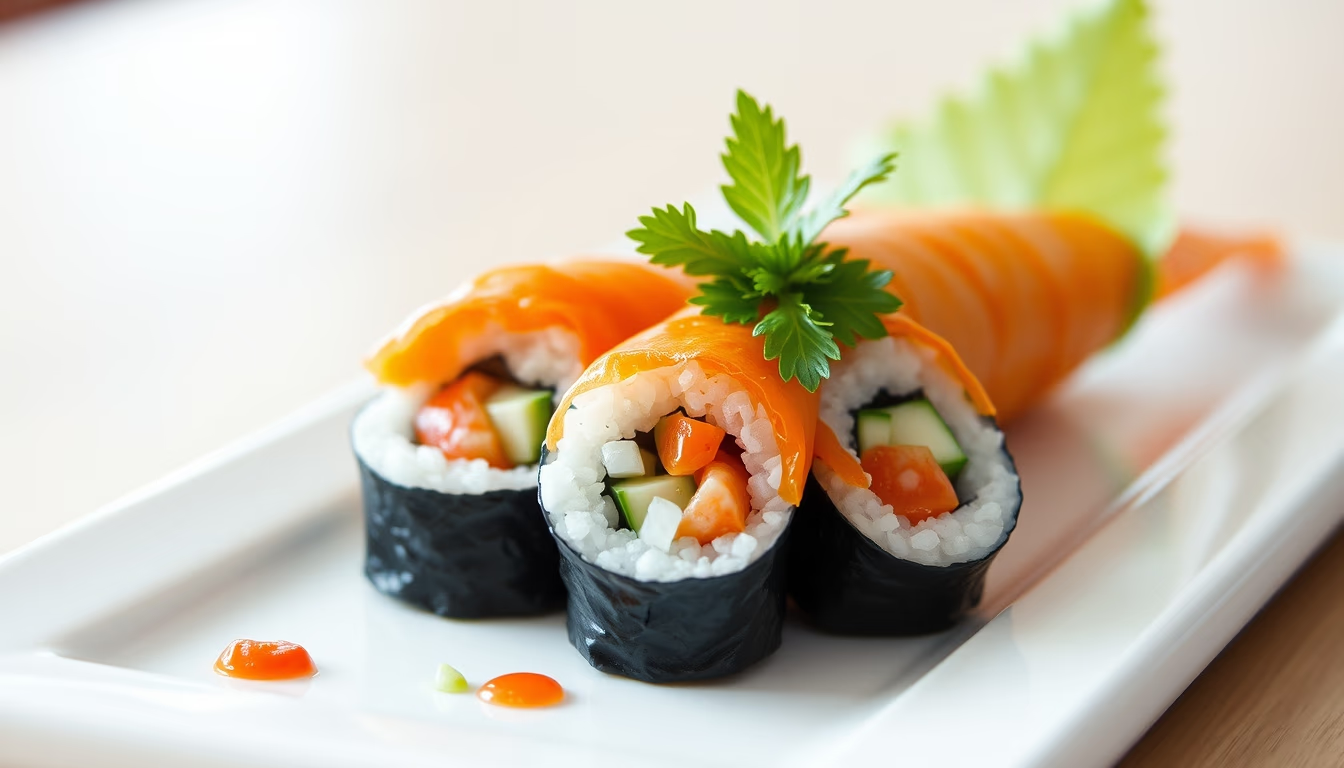
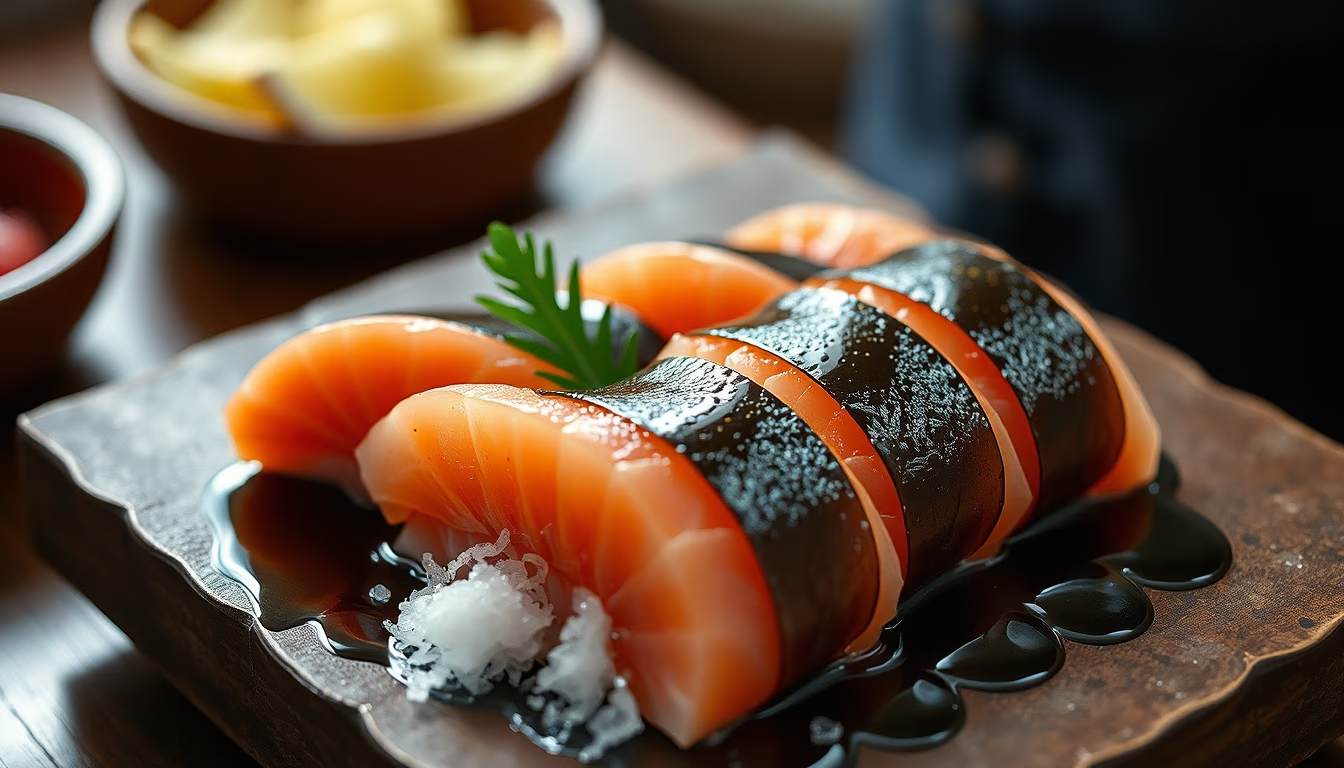
Platter of assorted nigiri highlights traditional cuts of salmon, tuna, white fish and shrimp served on seasoned rice.
About this subject
Nigiri is a style of sushi originating in the Edo period in Japan, consisting of a slice of raw fish or seafood over a small portion of vinegared rice. The technique emphasizes simplicity and ingredient quality: the rice is seasoned with vinegar, sugar and salt, hand-molded into an oval shape. The contrast between the soft fish and the slightly firm rice is the essence of nigiri.
Common cuts on a varied platter include salmon (sake), tuna (maguro), white fish such as sea bass or flounder, and cooked shrimp (ebi). Freshness is paramount: cold-water fish like Norwegian salmon are often used for their balanced fat. In Brazil, salmon nigiri is the most popular, sometimes lightly torched (aburi).
Presentation on a wooden board or ceramic plate highlights the natural colors and sheen of the fish. Accompaniments like soy sauce, wasabi (Japanese horseradish) and gari (pickled ginger) are served on the side to cleanse the palate. Real wasabi (Wasabia japonica) is rare and expensive; most wasabi served abroad is a mixture of horseradish and mustard dyed green.
Culturally, nigiri is eaten in sequence from mild to bold flavors. In specialty restaurants, the chef may suggest an omakase order (trust the chef). The rice should be near body temperature and the fish at room temperature for optimal flavor. Ideally, nigiri is consumed in one or two bites, flipped so the fish touches the tongue first.
Frequently Asked Questions
What is the difference between nigiri and sashimi?
Nigiri is a slice of fish on seasoned rice, while sashimi is just the raw fish slice without rice. Both require top-quality fish, but nigiri includes the vinegared rice base.
How should nigiri be eaten properly?
Eat it in one or two bites, flipping the nigiri so the fish touches your tongue first. Avoid dipping the rice in soy sauce; dip only the fish to prevent the piece from falling apart.
What are the white lines in salmon nigiri?
They are fat lines (marbling) that make the salmon tender and flavorful. The finer and more uniform the lines, the better the quality. Norwegian salmon has well-defined fat streaks.
Direct URL
https://pub-c7d6a6ea828543ac903a74a341ccb2e1.r2.dev/imagens/nigiri-assortment-platter-rembrandt-lighting-dramatic-shadows-fresh6.avifHow to credit
Include a visible link back to UtilizAí. Copy one of the snippets below:
<a href="https://xn--utiliza-eza.com/en/midia/imagens/nigiri-assortment-platter-rembrandt-lighting-dramatic-shadows-fresh6">Nigiri assortment platter</a> by <a href="https://xn--utiliza-eza.com">UtilizAí</a>, licensed under <a href="https://creativecommons.org/licenses/by/4.0/">CC BY 4.0</a>.
[Nigiri assortment platter](https://xn--utiliza-eza.com/en/midia/imagens/nigiri-assortment-platter-rembrandt-lighting-dramatic-shadows-fresh6) by [UtilizAí](https://xn--utiliza-eza.com), CC BY 4.0
License: CC-BY-4.0