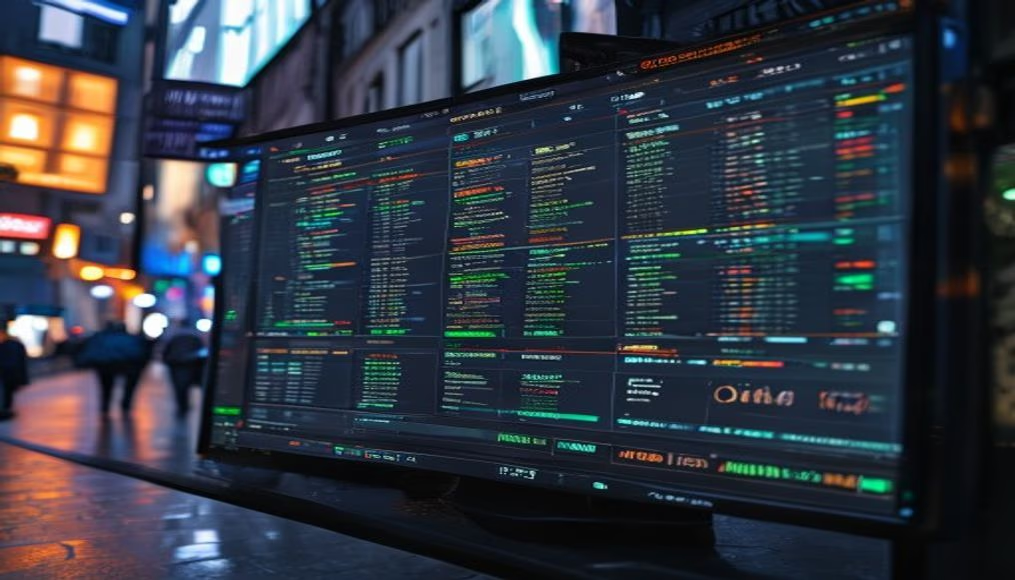
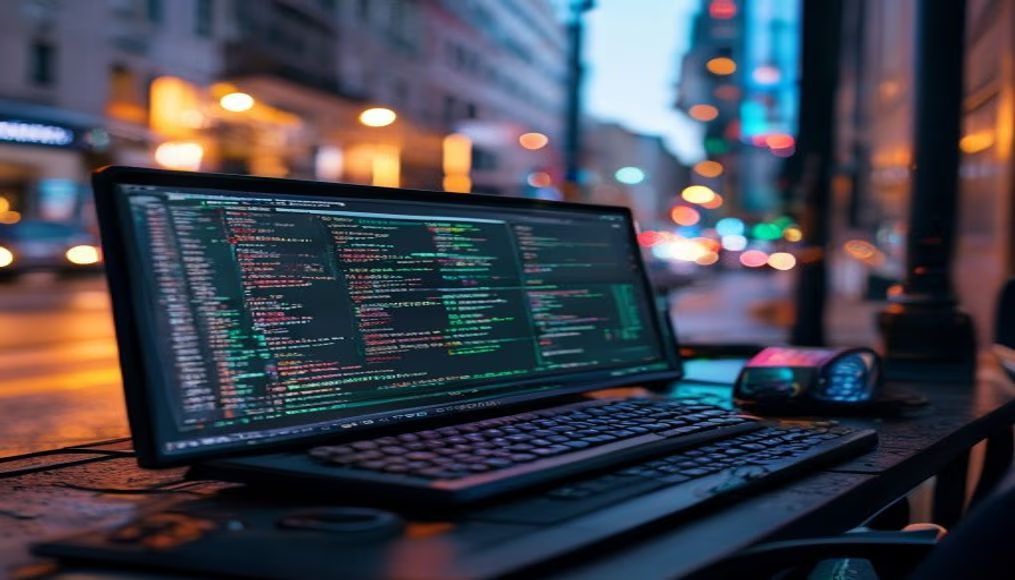
NFT artist in a colorful studio with digital tablets
1344×768 · AVIF · CC BY 4.0

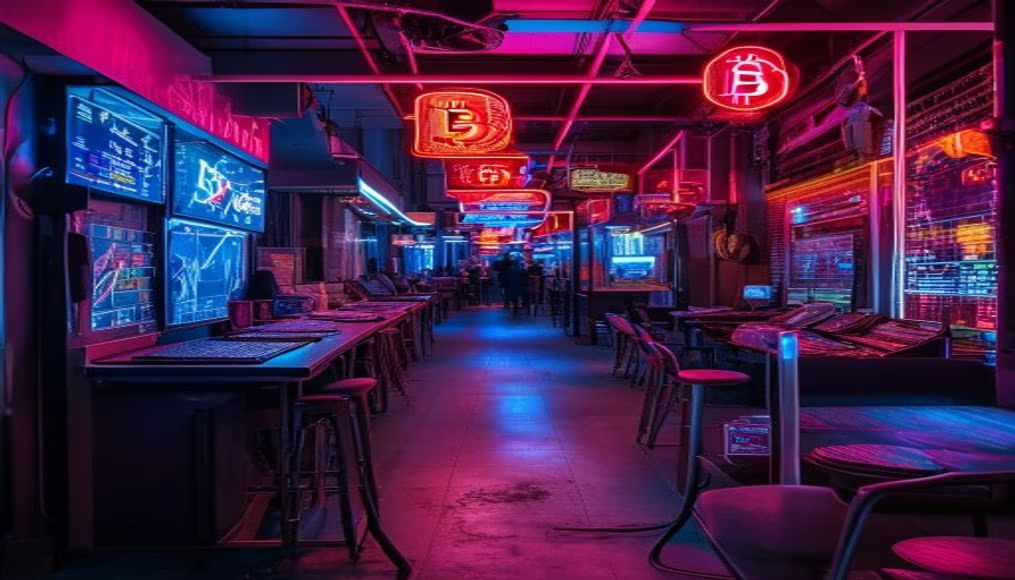
NFT artist in a colorful studio with digital tablets at twilight, exploring the intersection of art and blockchain.
About this subject
The NFT (Non-Fungible Token) market has revolutionized how digital artists create, sell, and authenticate their work. Unlike traditional art, each NFT has a unique record on a blockchain, ensuring provenance and digital scarcity. This movement gained momentum in 2021 when works like Beeple's 'Everydays: The First 5000 Days' sold for millions at Christie's. Brazilian artists also joined, such as the Vhils collective and illustrator Rafaël Rozendaal, exploring hybrid visual languages between physical and digital.
A typical NFT artist's studio is equipped with state-of-the-art tablets, drawing tablets, and software like Procreate, Blender, or Adobe Creative Suite. The vibrant color palette is not merely aesthetic: many artists use chromatic schemes to evoke specific emotions or create visual identity for their collections. The twilight hour, with its soft light, may be intentional to reduce screen glare and increase visual comfort during long creation sessions.
Cryptoart is not limited to static images. Many NFTs are animated, interactive, or incorporate music, requiring knowledge of programming and generative design. Platforms like OpenSea, Rarible, and Foundation dominate the market, but gas fees on Ethereum have led to alternative blockchains such as Solana, Tezos, and Polygon. In Brazil, the NFT community grows with events like NFT.Brasil Conference and collectives like CryptoArtistas.
Fun fact: the term 'NFT' was coined in 2017 by the ERC-721 protocol on Ethereum, but the first tokenized artwork was 'CryptoPunk' in June of that year. Since then, the market has moved billions of dollars, though it faces criticism over environmental impact and speculative bubble. Serious artists, however, see NFTs as a tool for democratization, allowing independent creators to profit directly without intermediaries.
Frequently Asked Questions
What is needed to become an NFT artist?
You need digital art skills (illustration, 3D, design) and basic blockchain knowledge. Many use tablets and software like Procreate or Blender. Also important: create a digital wallet (e.g., MetaMask) and choose a marketplace platform.
Which blockchain is most used for NFTs?
Ethereum was the first and most popular, but high fees led to Solana, Tezos, and Polygon. Each has pros and cons regarding cost, speed, and community.
Are NFTs sustainable?
Environmental impact varies by blockchain. Ethereum switched to Proof of Stake (2022), reducing energy use by ~99%. Blockchains like Tezos and Solana are more efficient. Artists can offset emissions or choose green networks.
Direct URL
https://pub-c7d6a6ea828543ac903a74a341ccb2e1.r2.dev/imagens/nft-artist-in-a-colorful-studio-with-digital-tablets-closeup-twilight-4.avifHow to credit
Include a visible link back to UtilizAí. Copy one of the snippets below:
<a href="https://xn--utiliza-eza.com/en/midia/imagens/nft-artist-in-a-colorful-studio-with-digital-tablets-closeup-twilight-4">NFT artist in a colorful studio with digital tablets</a> by <a href="https://xn--utiliza-eza.com">UtilizAí</a>, licensed under <a href="https://creativecommons.org/licenses/by/4.0/">CC BY 4.0</a>.
[NFT artist in a colorful studio with digital tablets](https://xn--utiliza-eza.com/en/midia/imagens/nft-artist-in-a-colorful-studio-with-digital-tablets-closeup-twilight-4) by [UtilizAí](https://xn--utiliza-eza.com), CC BY 4.0
License: CC-BY-4.0