Nebula colorful deep space
1344×768 · AVIF · CC BY 4.0
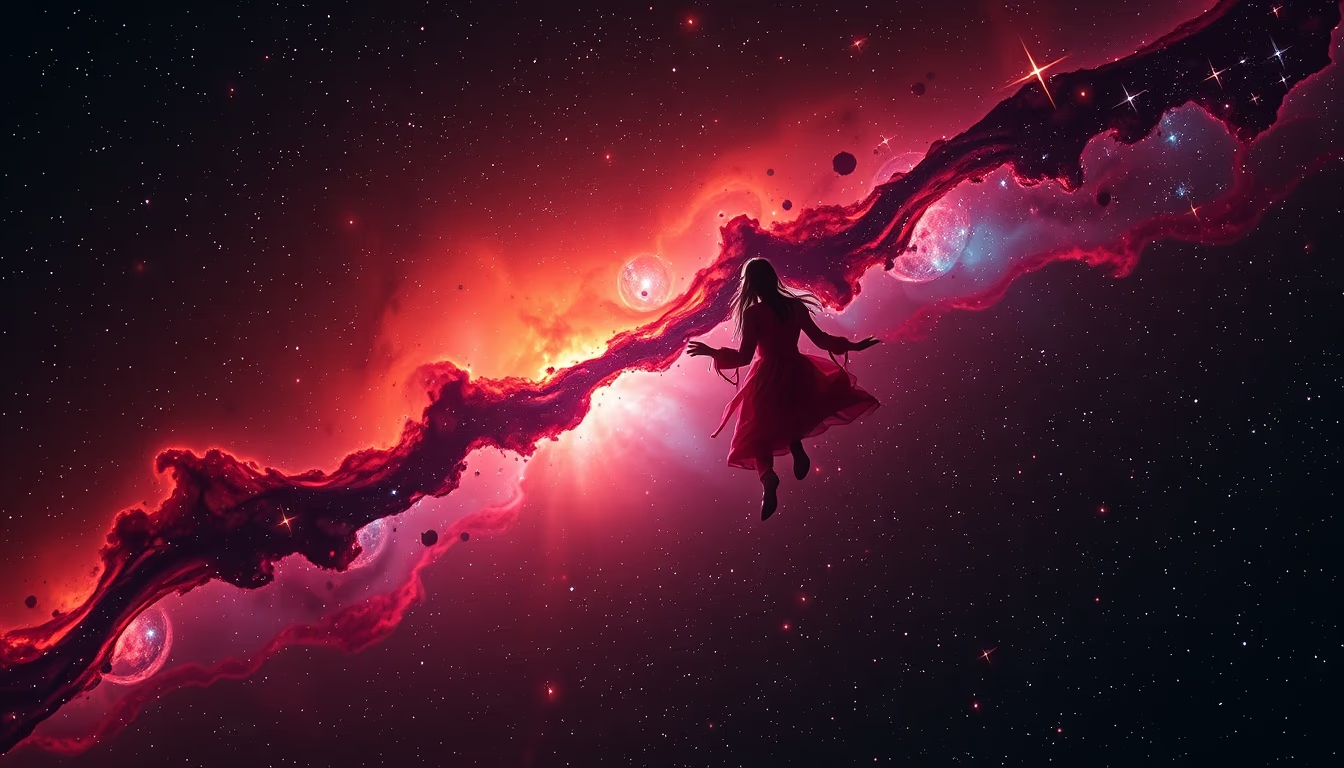
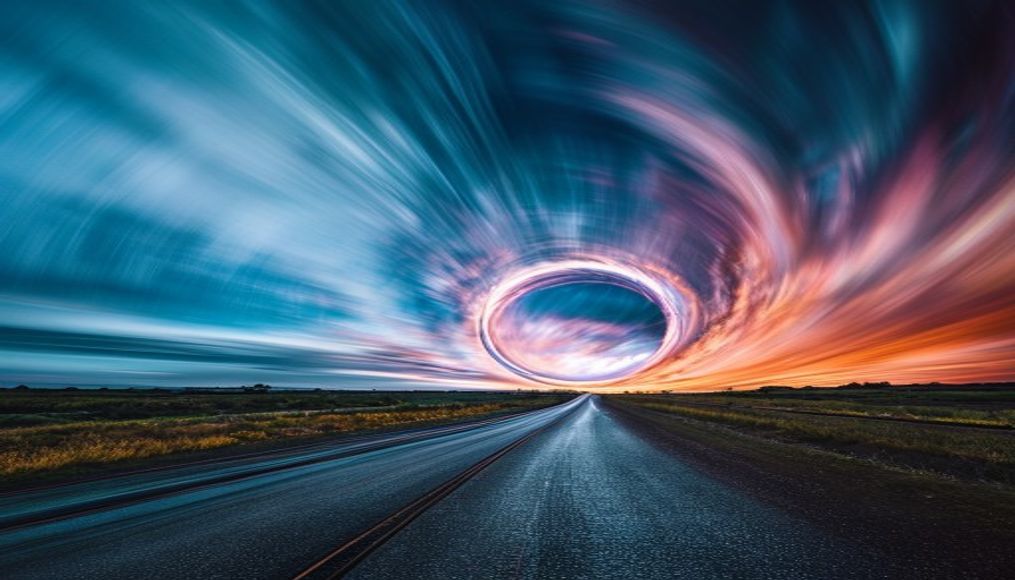
Colorful nebulae in deep space reveal stellar nurseries and supernova remnants, with gas and dust clouds in vibrant hues.
About this subject
Nebulae are immense clouds of gas and dust in interstellar space, serving as stellar nurseries where stars are born and evolve. They are classified into three main types: emission nebulae, which glow with their own light due to ionization of gases like hydrogen and oxygen; reflection nebulae, which simply reflect the light of nearby stars; and dark nebulae, which obscure the light behind them. The spectacular colors seen in images like this one result from chemical composition and gas temperature: hydrogen emits reddish light, oxygen blue-green, and sulfur red-orange. Iconic examples include the Orion Nebula, visible to the naked eye in the constellation's belt, and the Crab Nebula, a supernova remnant observed in 1054 by Chinese astronomers.
Scientifically, nebulae are crucial for understanding the life cycle of stars and the chemical composition of the universe. The Orion Nebula, for instance, lies about 1,344 light-years from Earth and hosts a young star cluster with over 2,000 forming stars. Telescopes like Hubble and James Webb have revealed detailed structures, such as the famous "Pillars of Creation" in the Eagle Nebula, where gas and dust clouds are sculpted by radiation from massive stars. The study of planetary nebulae, the final stages of stars like the Sun, helps predict the fate of our own solar system.
Interestingly, the Milky Way contains thousands of nebulae, but many are invisible to the naked eye due to interstellar dust. The Ring Nebula in Lyra is a classic example of a planetary nebula with a ring shape, while the Helix Nebula is the closest to Earth, at about 650 light-years. Continuous study of these cosmic clouds not only expands our knowledge of the cosmos but also fuels popular imagination, frequently appearing in films and science fiction. Each new image of colorful nebulae, like the one inspiring this description, reinforces the beauty and complexity of the universe we inhabit.
Frequently Asked Questions
What causes the vibrant colors of nebulae?
Colors result from chemical composition and gas temperature. Hydrogen emits reddish light, oxygen blue-green, and sulfur red-orange. Emission nebulae glow with their own light, while reflection nebulae reflect light from nearby stars.
What is the largest known nebula?
The Tarantula Nebula in the Large Magellanic Cloud is one of the largest and brightest, about 1,800 light-years in diameter. In the Milky Way, the Orion Nebula is well-known but not the largest.
Are nebulae dangerous to Earth?
No, nebulae are at immense distances, typically hundreds to thousands of light-years away. They pose no threat. Nearby supernova remnants could be dangerous, but such events are extremely rare in the solar neighborhood.
Direct URL
https://pub-c7d6a6ea828543ac903a74a341ccb2e1.r2.dev/imagens/nebula-colorful-deep-space-cinematic-wide-shot-p2.avifHow to credit
Include a visible link back to UtilizAí. Copy one of the snippets below:
<a href="https://xn--utiliza-eza.com/en/midia/imagens/nebula-colorful-deep-space-cinematic-wide-shot-p2">Nebula colorful deep space</a> by <a href="https://xn--utiliza-eza.com">UtilizAí</a>, licensed under <a href="https://creativecommons.org/licenses/by/4.0/">CC BY 4.0</a>.
[Nebula colorful deep space](https://xn--utiliza-eza.com/en/midia/imagens/nebula-colorful-deep-space-cinematic-wide-shot-p2) by [UtilizAí](https://xn--utiliza-eza.com), CC BY 4.0
License: CC-BY-4.0