Museum gallery white walls
1344×768 · AVIF · CC BY 4.0
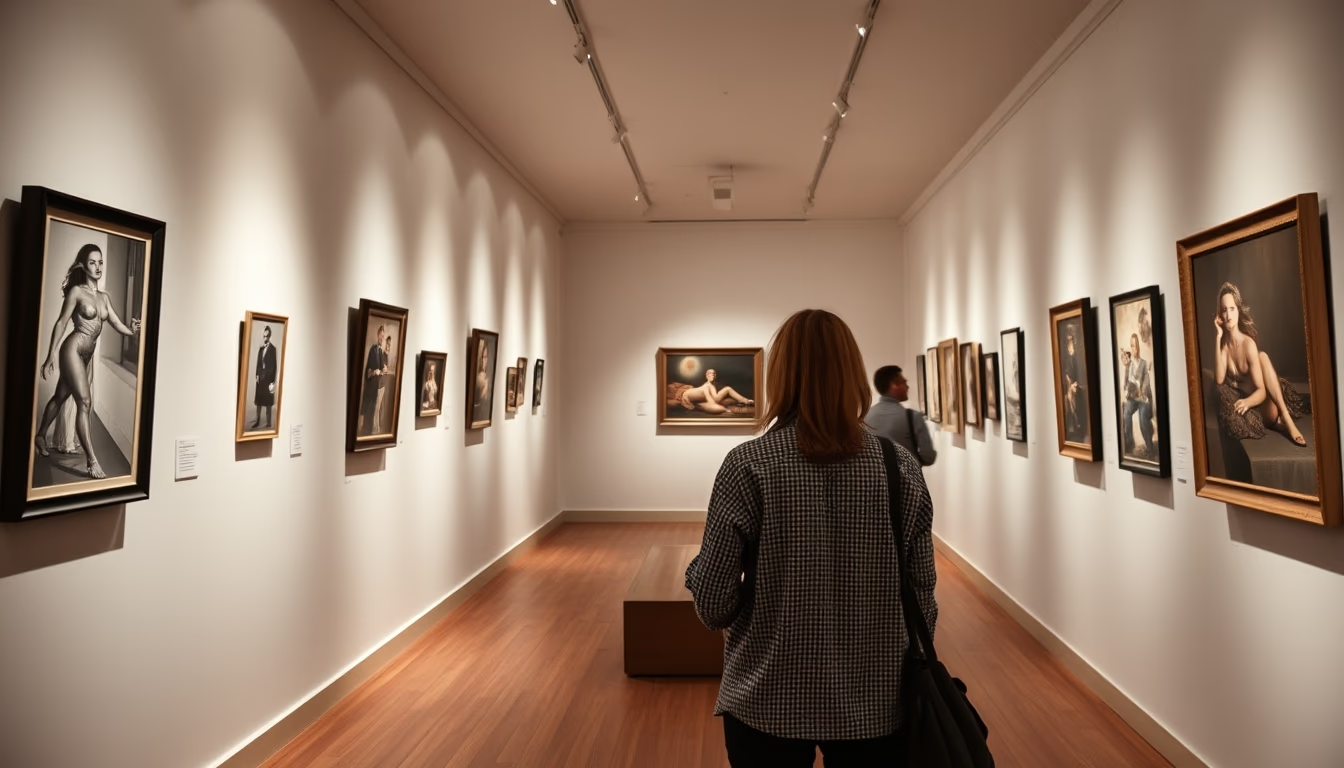
Museum gallery with white walls, soft lighting, and wooden floor, a versatile space for art exhibitions.
About this subject
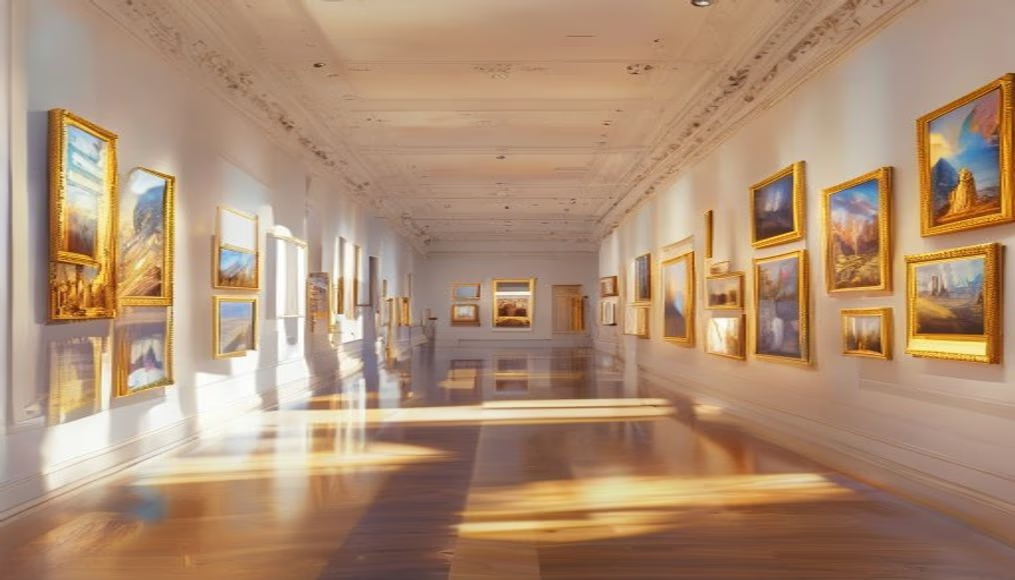
A museum gallery with white walls is an exhibition space designed to highlight artworks. The white color is intentional: it reflects light evenly, reduces shadows and distractions, and creates a neutral background that enhances the colors and textures of the pieces on display. This type of environment is common in contemporary art museums, such as the Museum of Modern Art in São Paulo (MAM) or the Instituto Moreira Salles, but is also adopted by commercial galleries and cultural centers.
Soft, diffused lighting, often achieved with adjustable spotlights or filtered natural light, is crucial for artwork preservation and visitor experience. The wooden floor adds warmth and pleasant acoustics, contrasting with the white walls. This flexible layout allows curators to rearrange movable walls or panels to create different exhibition paths.
Historically, the white cube gallery model emerged in the 1930s with the modernist movement, replacing the ornate salons of the 19th century. Artists like Donald Judd and Dan Flavin explored the interaction between artwork and space, influencing gallery architecture. In Brazil, notable examples include the Pinacoteca do Estado de São Paulo and the Oscar Niemeyer Museum in Curitiba, which use this concept.
Interestingly, the white gallery format is also used in interior and architectural photography to convey sophistication and minimalism. Many fine art photographers choose this setting to record works, as it avoids visual interference and allows the viewer to focus on the art.
Frequently Asked Questions
Why do museum galleries have white walls?
White walls create a neutral background that does not compete with artworks, reflect light evenly, and reduce distractions, allowing visitors to focus on the pieces on display.
How important is lighting in a museum gallery?
Lighting is crucial to highlight artworks, protect them from UV damage, and create a pleasant atmosphere. It is typically soft and diffused, with adjustable spotlights.
What is the 'white cube' concept in galleries?
The white cube is a minimalist exhibition space model with white walls, neutral flooring, and controlled lighting, originating in modernism to isolate art from external context.
Direct URL
https://pub-c7d6a6ea828543ac903a74a341ccb2e1.r2.dev/imagens/museum-gallery-white-walls-fine-art-photography.avifHow to credit
Include a visible link back to UtilizAí. Copy one of the snippets below:
<a href="https://xn--utiliza-eza.com/en/midia/imagens/museum-gallery-white-walls-fine-art-photography">Museum gallery white walls</a> by <a href="https://xn--utiliza-eza.com">UtilizAí</a>, licensed under <a href="https://creativecommons.org/licenses/by/4.0/">CC BY 4.0</a>.
[Museum gallery white walls](https://xn--utiliza-eza.com/en/midia/imagens/museum-gallery-white-walls-fine-art-photography) by [UtilizAí](https://xn--utiliza-eza.com), CC BY 4.0
License: CC-BY-4.0