Mummy sarcophagus egypt
1344×768 · AVIF · CC BY 4.0
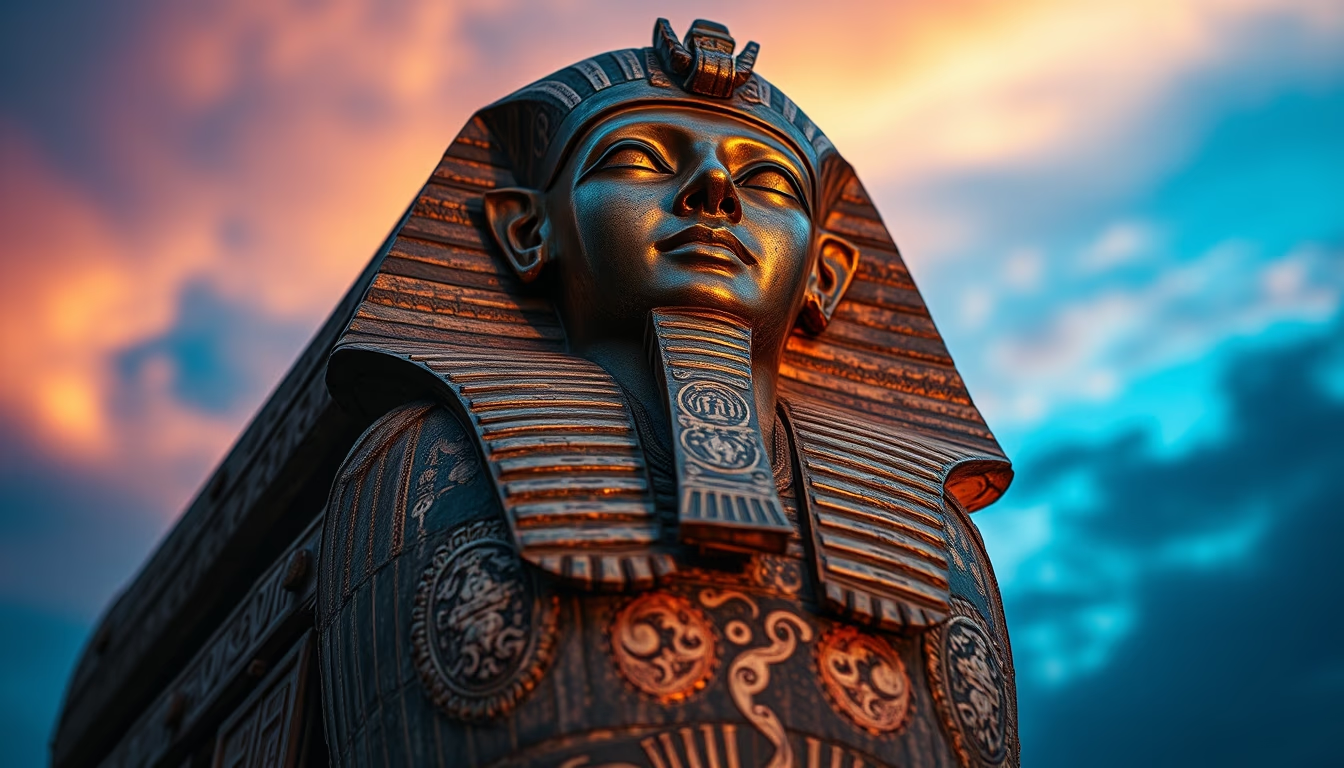
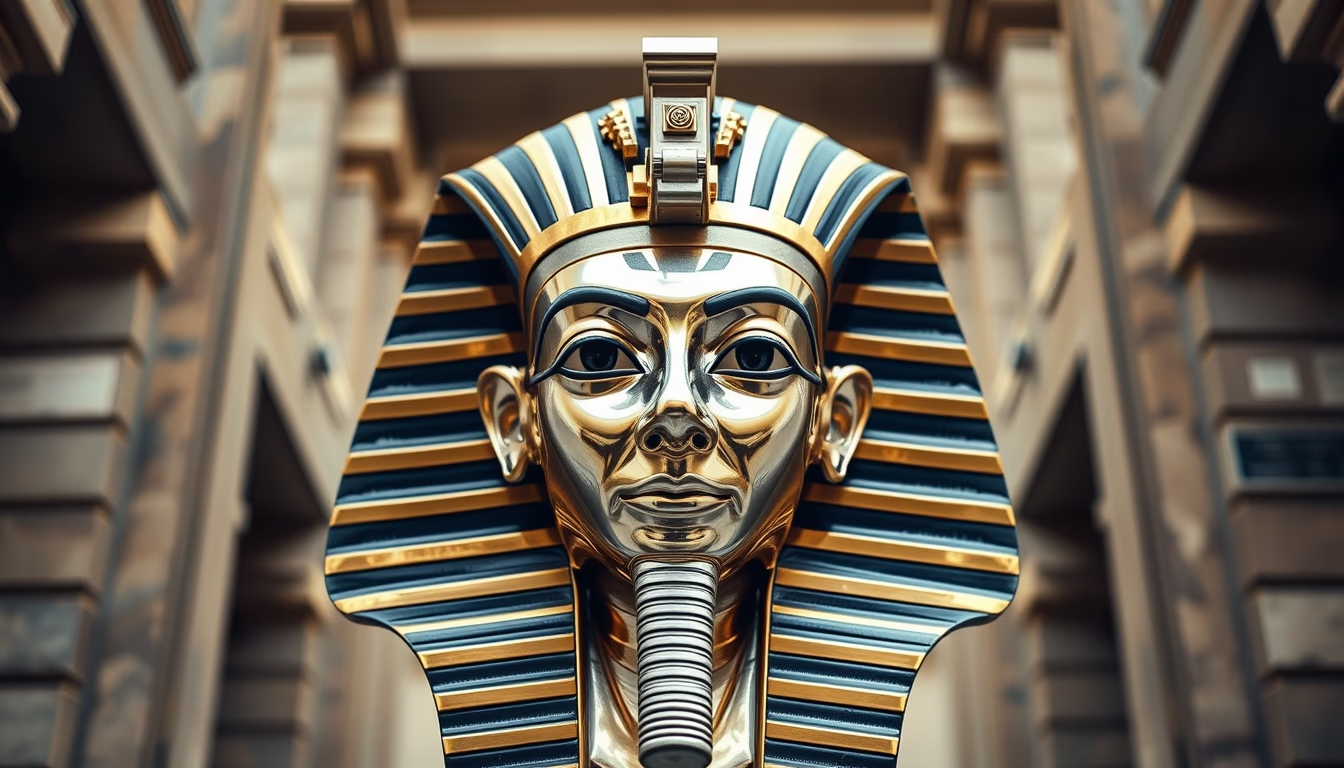
Egyptian mummy sarcophagi were elaborately decorated coffins that protected the mummified body and ensured the afterlife.
About this subject
Egyptian sarcophagi are central artifacts of Ancient Egyptian archaeology, created to house the mummified remains of pharaohs, nobles, and important individuals. Typically made of wood, stone (such as granite or limestone), or cartonnage (layers of linen and plaster), they were decorated with paintings and hieroglyphic inscriptions invoking protective deities like Osiris, Isis, and Horus. The anthropoid (human-shaped) form became common from the New Kingdom (c. 1550 BCE), with the outer sarcophagus often depicting the deceased's face.
The function of sarcophagi went beyond physical protection. According to Egyptian mythology, they were the eternal dwelling of the ka (vital essence) and ba (personality). Funerary texts, such as the Book of the Dead, were often inscribed on interior walls or the sarcophagus itself to guide the soul in the afterlife. A famous example is Tutankhamun's sarcophagus, made of quartzite and covered with gold sheet, discovered by Howard Carter in 1922 in the Valley of the Kings.
Mummification, the process of preserving the body by removing internal organs and desiccating it with natron, was essential for the sarcophagus to fulfill its purpose. Egyptians believed the body needed to be preserved for eternal life. Simpler sarcophagi were made of painted wood, while royal ones used precious materials. In the Late Period (c. 664 BCE onward), mass production of cartonnage sarcophagi became common, with standardized decorations.
Ongoing archaeological excavations reveal new sarcophagi, such as those discovered in Saqqara in 2020, more than 2,500 years old, still containing mummies. These finds help understand funerary practices and life in ancient Egypt. The study of sarcophagi also provides clues about social hierarchy, as the most ornate belonged to the elite.
Frequently Asked Questions
What is the difference between a sarcophagus and a common coffin?
In Ancient Egypt, a sarcophagus is the outer container that held the inner coffin(s) and the mummy. Usually made of stone or durable wood, it was decorated with religious texts and images. A modern coffin is a simple burial box without the same ritualistic and decorative complexity.
How did Egyptians mummify bodies?
The process took about 70 days. Internal organs (except the heart) were removed and placed in canopic jars. The body was dehydrated with natron (natural salt), then wrapped in linen bandages with amulets and resins. Finally, it was placed in the sarcophagus.
Why did sarcophagi have hieroglyphs?
Hieroglyphs contained magical spells, prayers, and passages from the Book of the Dead to protect the deceased in the afterlife. They named the owner, invoked gods, and described rituals necessary for eternal life.
Direct URL
https://pub-c7d6a6ea828543ac903a74a341ccb2e1.r2.dev/imagens/mummy-sarcophagus-egypt-long-exposure-p4.avifHow to credit
Include a visible link back to UtilizAí. Copy one of the snippets below:
<a href="https://xn--utiliza-eza.com/en/midia/imagens/mummy-sarcophagus-egypt-long-exposure-p4">Mummy sarcophagus egypt</a> by <a href="https://xn--utiliza-eza.com">UtilizAí</a>, licensed under <a href="https://creativecommons.org/licenses/by/4.0/">CC BY 4.0</a>.
[Mummy sarcophagus egypt](https://xn--utiliza-eza.com/en/midia/imagens/mummy-sarcophagus-egypt-long-exposure-p4) by [UtilizAí](https://xn--utiliza-eza.com), CC BY 4.0
License: CC-BY-4.0