Mummy sarcophagus egypt
1344×768 · AVIF · CC BY 4.0
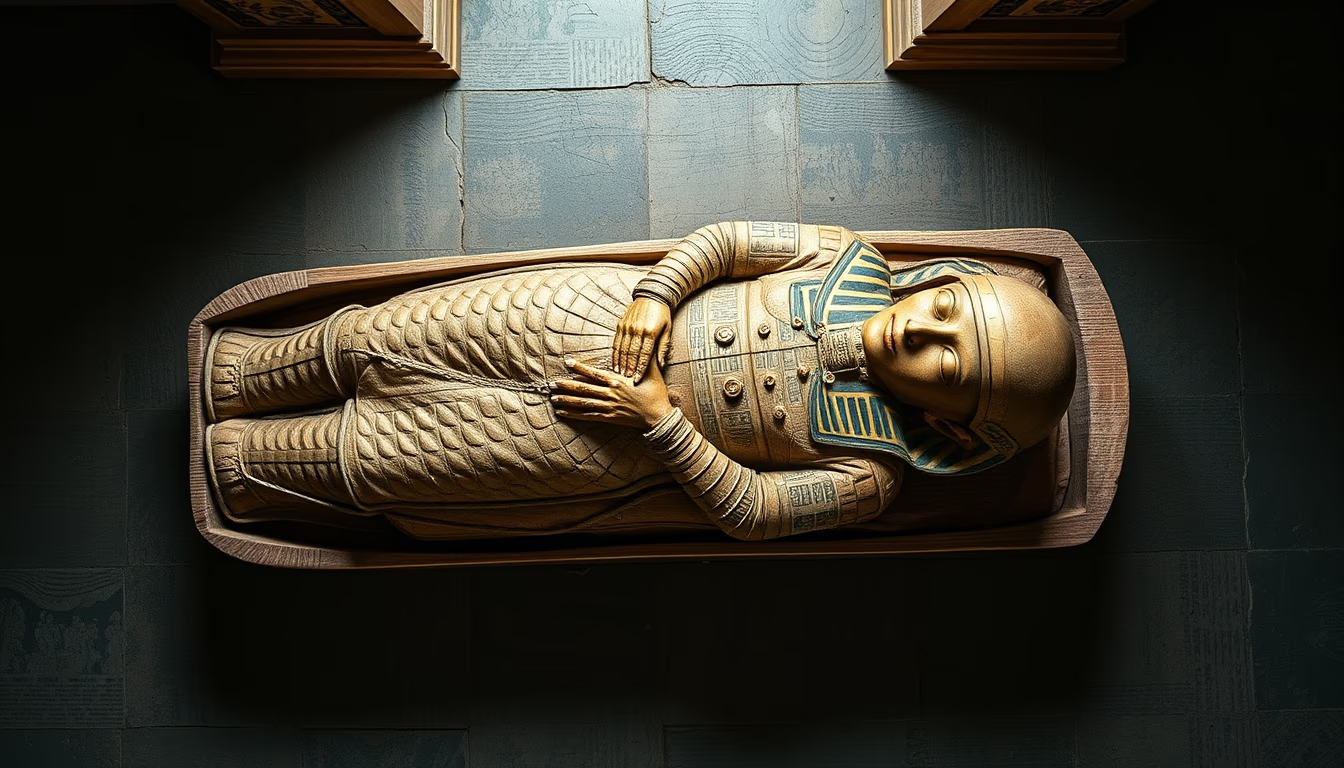
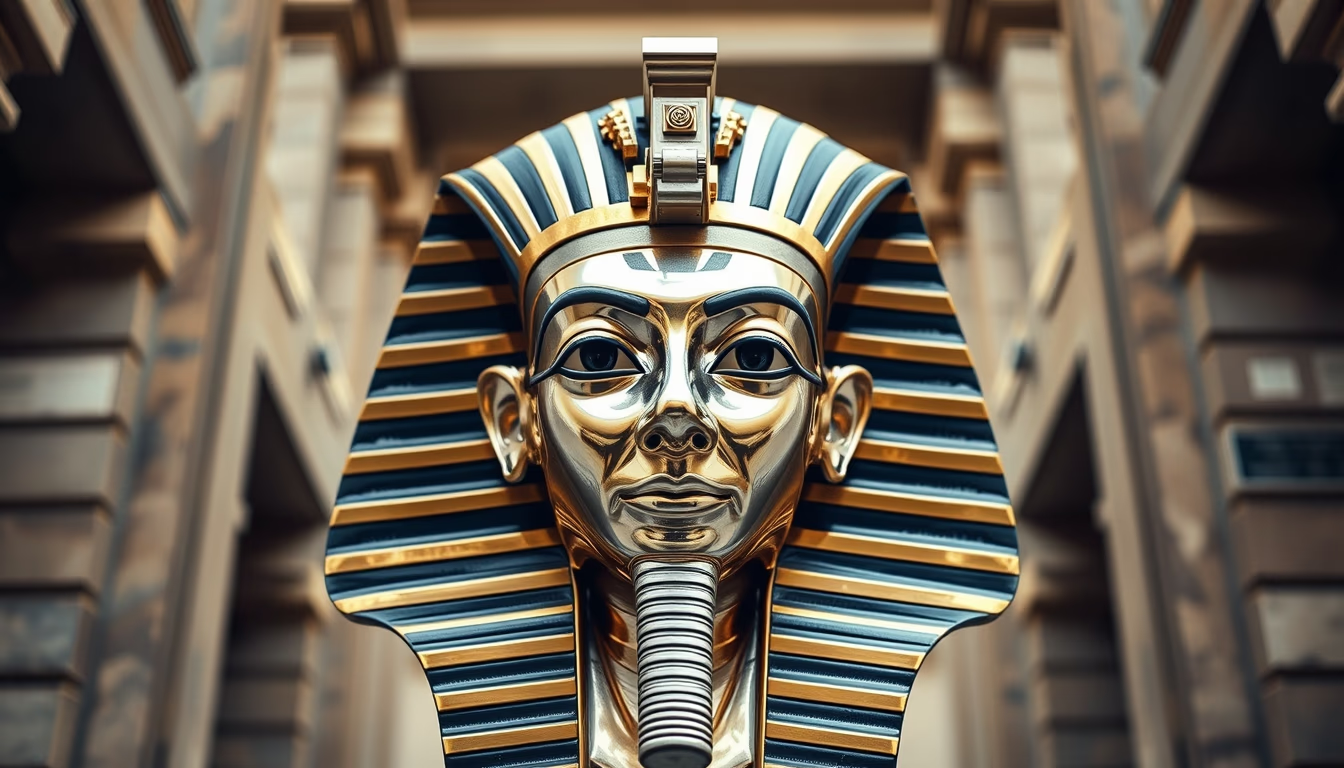
Egyptian sarcophagi were funerary containers decorated with hieroglyphs and paintings, used to house mummies of pharaohs and nobles in Ancient Egypt.
About this subject
Egyptian sarcophagi played a central role in the funerary rituals of Ancient Egypt, serving as physical and symbolic protection for the mummified body. They were mainly made of wood, stone, or gold, depending on the deceased's status. The most elaborate ones, such as Tutankhamun's, featured multiple layers: an outer quartzite sarcophagus and three inner solid gold coffins, richly decorated with inlays of semiprecious stones and faience.
Decorations included texts from the Book of the Dead, scenes from the deceased's life, and protective symbols such as the Eye of Horus (udjat) and the scarab. Colors held specific meanings: blue represented the Nile and regeneration; gold symbolized the flesh of the gods. Hieroglyphs narrated the spirit's journey through the underworld, ensuring safe passage to the afterlife.
Across dynasties, the design evolved. In the Old Kingdom, sarcophagi were rectangular and plain; in the New Kingdom, they took an anthropoid shape, sculpted with the deceased's face. Mummification techniques also influenced the form: better-preserved bodies required tighter-fitting coffins. The sarcophagus was then placed in a tomb with offerings and personal belongings.
The importance of these artifacts extends beyond the religious: they provide archaeologists with information about Egyptian art, writing, beliefs, and social hierarchy. Many examples are now in museums such as the Cairo Museum, the Louvre, and the British Museum, revealing details about the life and death of one of history's most fascinating civilizations.
Frequently Asked Questions
Why were Egyptian sarcophagi decorated with hieroglyphs and paintings?
The decoration had a magical-religious function: hieroglyphs and paintings helped the deceased on their journey through the underworld, invoked divine protection, and ensured life after death. Each symbol and color had specific meaning.
What was the most common material used in making sarcophagi?
Wood was the most common material, especially sycamore and cedar from Lebanon. Nobles and pharaohs used stone (limestone, granite, quartzite) and, in rare cases, gold and silver, such as Tutankhamun's sarcophagus.
What are the udjat eyes found on sarcophagi?
The udjat eye (or Eye of Horus) is a symbol of protection, health, and royal power. It was painted or carved on sarcophagi to allow the deceased to 'see' the living world and protect against evil forces.
Direct URL
https://pub-c7d6a6ea828543ac903a74a341ccb2e1.r2.dev/imagens/mummy-sarcophagus-egypt-isometric-flat-lay-p5.avifHow to credit
Include a visible link back to UtilizAí. Copy one of the snippets below:
<a href="https://xn--utiliza-eza.com/en/midia/imagens/mummy-sarcophagus-egypt-isometric-flat-lay-p5">Mummy sarcophagus egypt</a> by <a href="https://xn--utiliza-eza.com">UtilizAí</a>, licensed under <a href="https://creativecommons.org/licenses/by/4.0/">CC BY 4.0</a>.
[Mummy sarcophagus egypt](https://xn--utiliza-eza.com/en/midia/imagens/mummy-sarcophagus-egypt-isometric-flat-lay-p5) by [UtilizAí](https://xn--utiliza-eza.com), CC BY 4.0
License: CC-BY-4.0