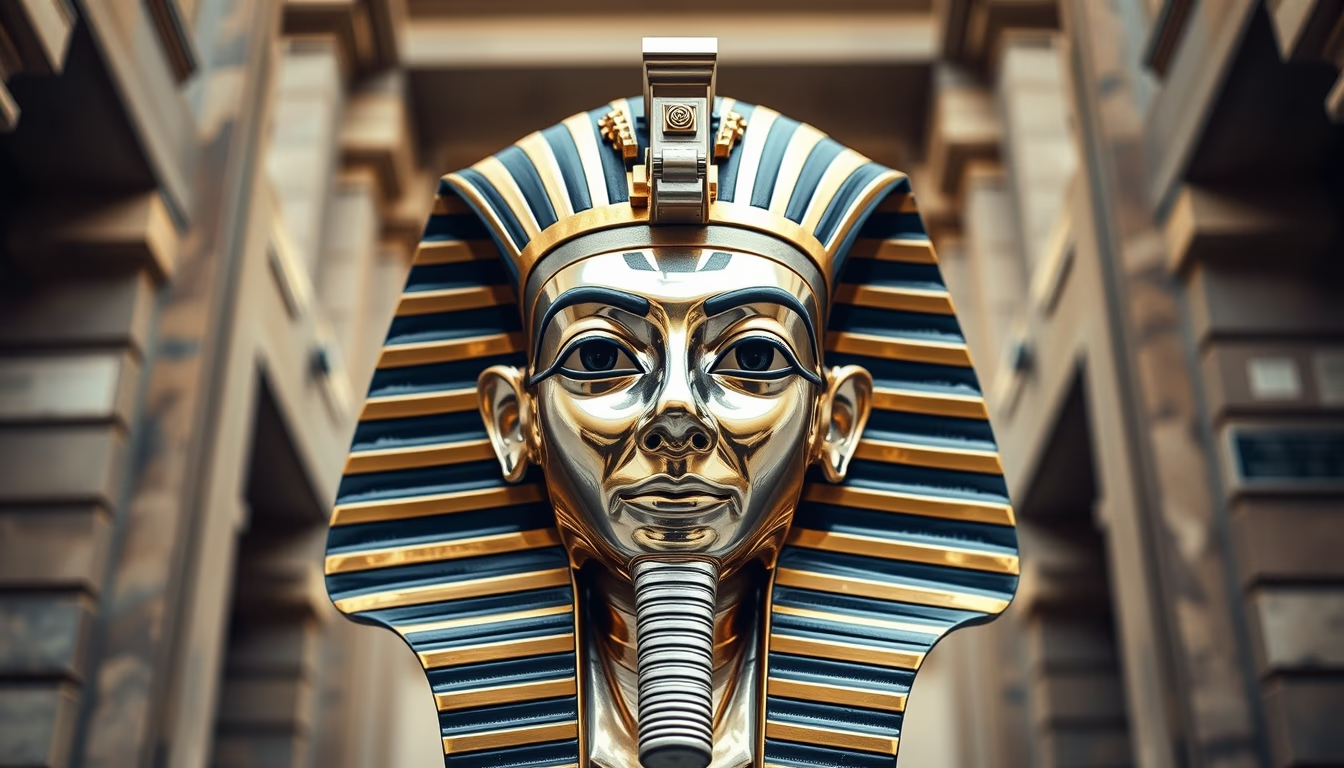
Mummy sarcophagus egypt
1344×768 · AVIF · CC BY 4.0
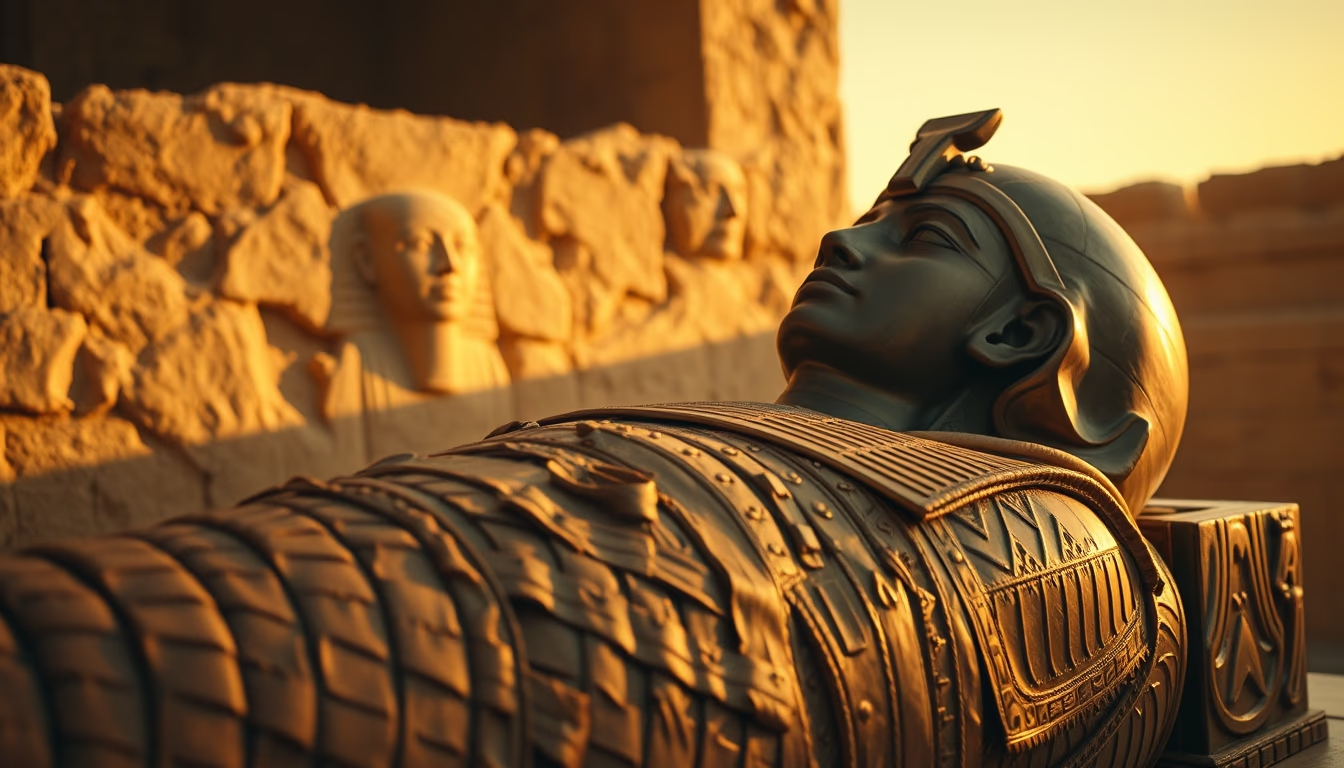
Egyptian sarcophagi were richly decorated containers for mummification, protecting the deceased's body in the afterlife. Learn about their history and symbolism.
About this subject
Egyptian sarcophagi are a fundamental part of archaeology and ancient Egyptian culture. Used since the Predynastic period (c. 3100 BCE), these containers were designed to house the mummified body and ensure its eternal preservation. Initially made of wood or reeds, they evolved into anthropoid forms in stone or gilded wood, such as the famous sarcophagi of Tutankhamun, discovered by Howard Carter in 1922. Each sarcophagus was decorated with hieroglyphs and scenes from the Book of the Dead, aimed at aiding the deceased in their journey through the Duat (underworld). Materials varied according to social status: kings and nobles had sarcophagi of gold or finely worked limestone, while peasants used simple wooden boxes. The anthropoid shape, representing the god Osiris, became common from the Middle Kingdom onward. Notably, elite sarcophagi often had multiple layers, with an inner gold coffin and an outer stone one, as in Tutankhamun's four sarcophagi. These artifacts provide crucial insights into religious beliefs, art, and mummification techniques. Many now reside in museums worldwide, such as the Egyptian Museum in Cairo and the British Museum, attracting millions of visitors annually.
Frequently Asked Questions
What is the difference between a sarcophagus and a coffin?
In ancient Egypt, a sarcophagus is the outer stone or wooden container that held the inner coffin (or casket). The term sarcophagus comes from Greek 'sarkophagos' (flesh-eater), referring to limestone that accelerated decomposition.
Why were sarcophagi made in human shape?
The anthropoid form represented the god Osiris, lord of the underworld, and symbolized the deceased's transformation into a deity. This ensured the identity and protection of the spirit (ka) in the afterlife.
Where are the most famous Egyptian sarcophagi located?
Tutankhamun's sarcophagi are at the Egyptian Museum in Cairo. Other notable ones are at the British Museum (London), the Louvre (Paris), and the Metropolitan Museum of Art (New York). Many remain in archaeological sites in the Valley of the Kings.
Direct URL
https://pub-c7d6a6ea828543ac903a74a341ccb2e1.r2.dev/imagens/mummy-sarcophagus-egypt-cinematic-wide-shot-p9.avifHow to credit
Include a visible link back to UtilizAí. Copy one of the snippets below:
<a href="https://xn--utiliza-eza.com/en/midia/imagens/mummy-sarcophagus-egypt-cinematic-wide-shot-p9">Mummy sarcophagus egypt</a> by <a href="https://xn--utiliza-eza.com">UtilizAí</a>, licensed under <a href="https://creativecommons.org/licenses/by/4.0/">CC BY 4.0</a>.
[Mummy sarcophagus egypt](https://xn--utiliza-eza.com/en/midia/imagens/mummy-sarcophagus-egypt-cinematic-wide-shot-p9) by [UtilizAí](https://xn--utiliza-eza.com), CC BY 4.0
License: CC-BY-4.0