Mummy sarcophagus egypt
1344×768 · AVIF · CC BY 4.0
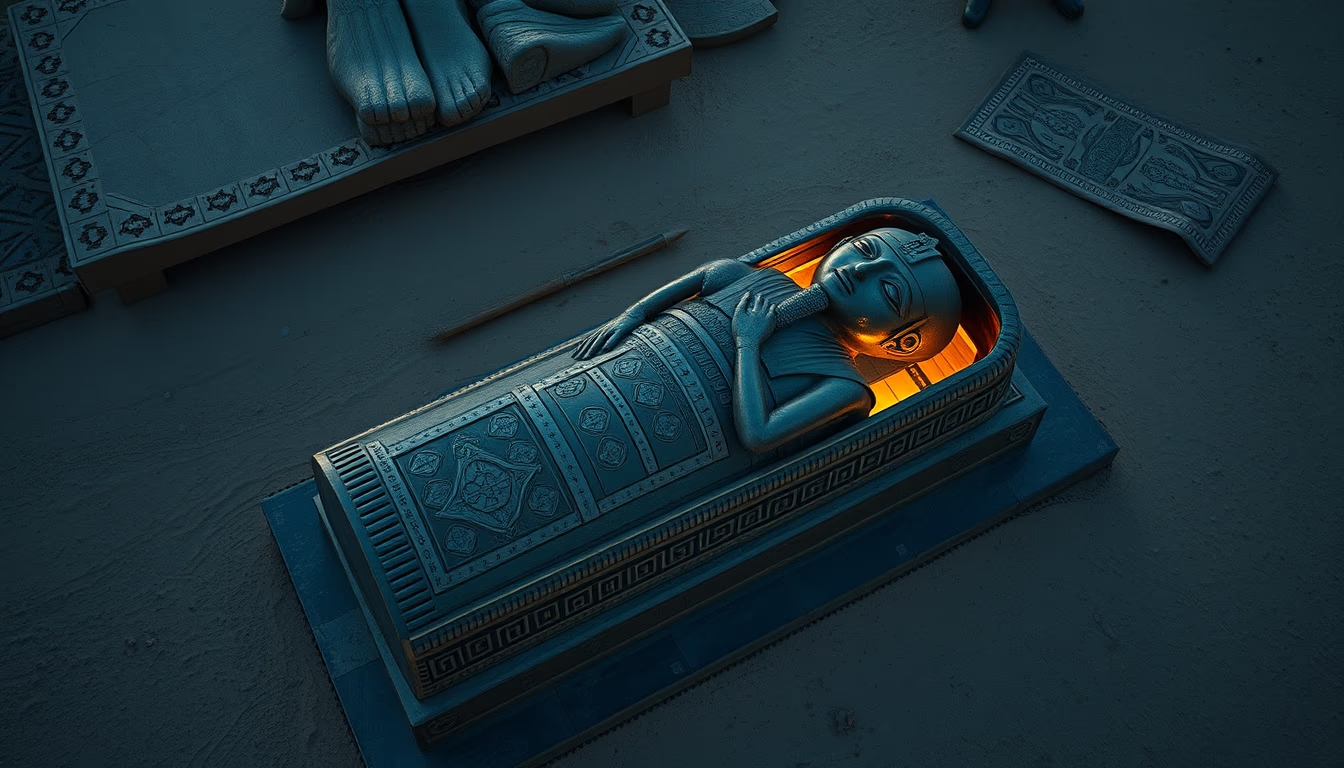
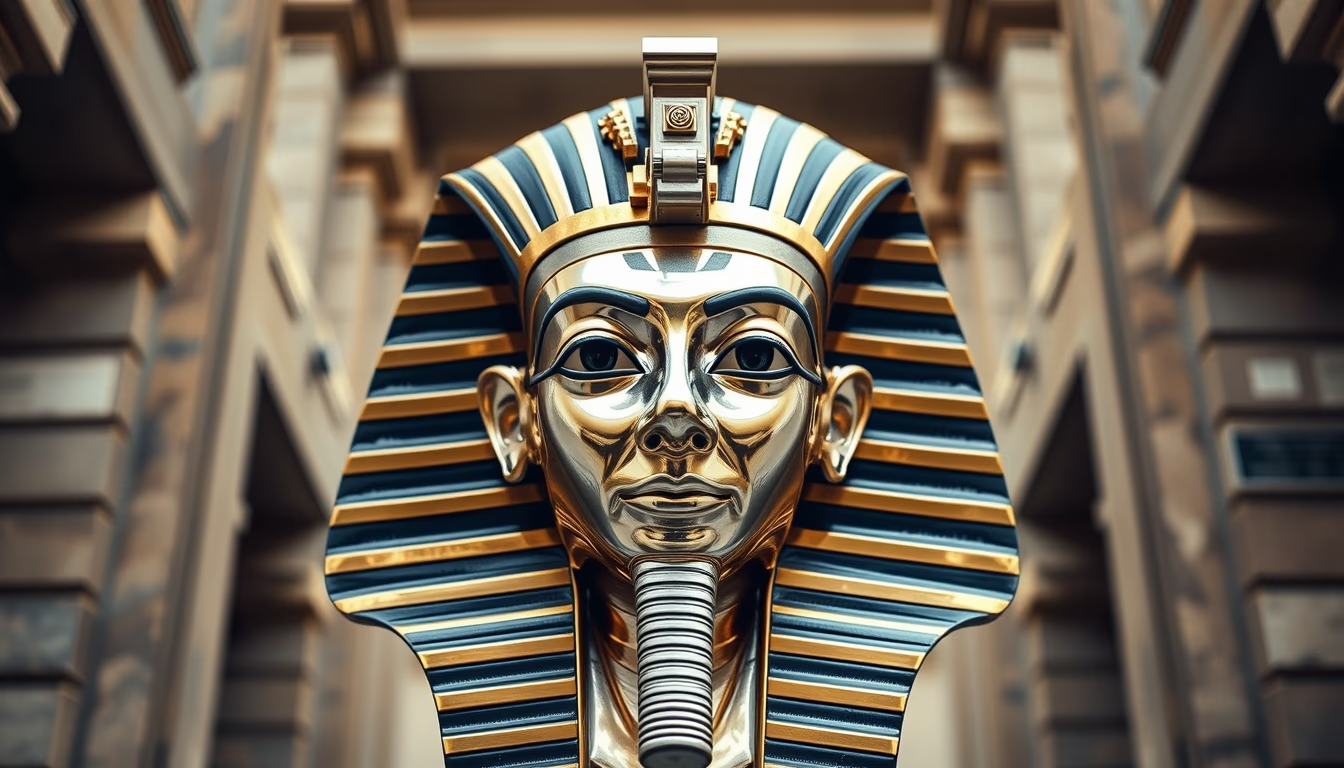
Egyptian mummy sarcophagi, like the one depicted, reveal funerary practices and religious beliefs of Ancient Egypt, featuring symbolic inscriptions and decorations.
About this subject
Egyptian sarcophagi were elaborate containers for mummies of pharaohs, nobles, and priests, designed to protect the body for the afterlife. Typically made of wood, stone, or metal, they were adorned with hieroglyphs, paintings of deities such as Osiris and Anubis, and wedjat eyes to allow the deceased to see the outside world. The practice of mummification and use of sarcophagi peaked during the New Kingdom (c. 1550-1070 BCE), with famous examples like Tutankhamun's sarcophagus, discovered in 1922 in the Valley of the Kings. These artifacts were not merely funerary objects but testimonies to complex Egyptian theology, where body preservation was essential for the soul's immortality. Many sarcophagi were looted over centuries, but archaeological excavations in Egypt continue to uncover new specimens, such as those found at Saqqara and Deir el-Bahari. Sarcophagus production involved specialized craftsmen who followed religious rituals, and their study offers insights into social hierarchy, trade of materials like gold and lapis lazuli, and relations with other Mediterranean cultures.
Frequently Asked Questions
What distinguishes an Egyptian sarcophagus from a common coffin?
A sarcophagus was an outer container, often decorated with reliefs and inscriptions, housing the mummy inside one or more inner coffins. A common coffin was the immediate container for the body, usually simpler and less ornate.
What materials were used to make Egyptian sarcophagi?
Materials varied by wealth: sycamore or imported cedar wood, limestone, granite, basalt, and for pharaohs, gold and silver. Tutankhamun's sarcophagus, for example, was made of solid gold.
Where are the best-preserved Egyptian sarcophagi found today?
Beyond the Egyptian Museum in Cairo and the Grand Egyptian Museum, many sarcophagi are displayed in international museums like the Louvre and British Museum. Recent excavations at Saqqara near Memphis uncovered dozens of intact sarcophagi from the Late Period (c. 600 BCE).
Direct URL
https://pub-c7d6a6ea828543ac903a74a341ccb2e1.r2.dev/imagens/mummy-sarcophagus-egypt-aerial-drone-shot-p11.avifHow to credit
Include a visible link back to UtilizAí. Copy one of the snippets below:
<a href="https://xn--utiliza-eza.com/en/midia/imagens/mummy-sarcophagus-egypt-aerial-drone-shot-p11">Mummy sarcophagus egypt</a> by <a href="https://xn--utiliza-eza.com">UtilizAí</a>, licensed under <a href="https://creativecommons.org/licenses/by/4.0/">CC BY 4.0</a>.
[Mummy sarcophagus egypt](https://xn--utiliza-eza.com/en/midia/imagens/mummy-sarcophagus-egypt-aerial-drone-shot-p11) by [UtilizAí](https://xn--utiliza-eza.com), CC BY 4.0
License: CC-BY-4.0