Movie clapperboard on set
1344×768 · AVIF · CC BY 4.0
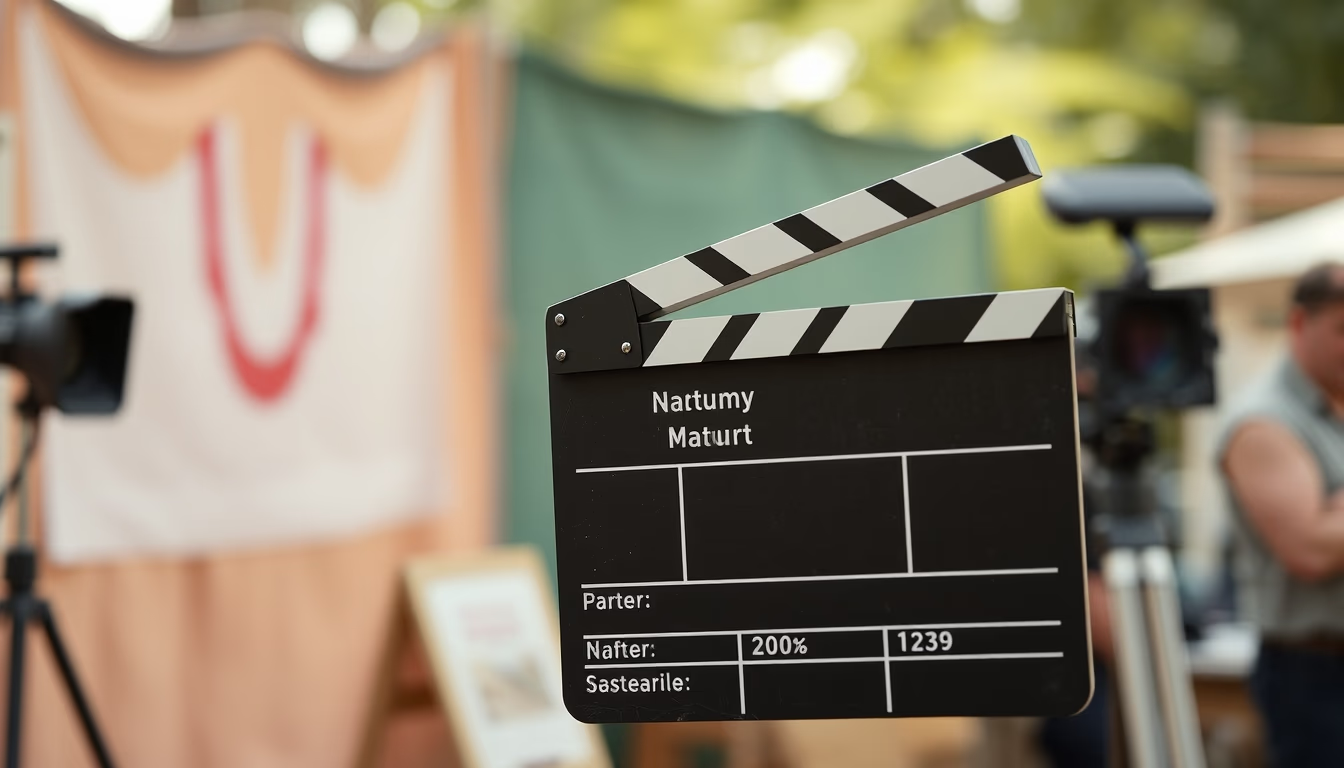
The clapperboard is an essential tool in film production for synchronizing sound and image, and for identifying scenes and takes.
About this subject
The clapperboard, also known as a clapboard or slate, is a device used in filmmaking and television to assist in synchronizing audio and video during post-production. It consists of a board displaying information such as film title, director, scene number, and take, along with a mechanism that emits a loud sound when closed, marking the precise moment to align audio and visual tracks.
Its origins date back to the silent film era, but the modern clapperboard emerged with the advent of synchronized sound in the late 1920s. Before that, the clapboard was already used to identify takes, but sound synchronization became critical. The sound of the impact allows editors to match the audio recording to the visuals frame by frame.
Today, electronic clapperboards display real-time information and generate sound digitally, but many still prefer the traditional wood and acrylic model. A curious detail: in high-budget productions, the clapperboard may be customized with the project's logo. The phrase 'action!' is typically said after the clap, and the assistant director operating it is called a 'clapper loader'.
The clapperboard is a pop culture icon, often associated with the magic of cinema. It appears in behind-the-scenes films and is a recognizable symbol of audiovisual production. For filmmakers, it is an indispensable tool that ensures organization and material quality, reducing editing errors.
Frequently Asked Questions
Why is the clapperboard so important in filmmaking?
It allows synchronization of audio and video in post-production and identifies each take, preventing confusion during editing.
How does the synchronization process work with a clapperboard?
The sound of the impact and the movement of the board serve as references. The editor aligns the audio peak with the frame where the clapboard closes.
What is the difference between a traditional and a digital clapperboard?
Traditional ones use wood and acrylic with hand-written information. Digital ones have an electronic display, generating sound and data via software, making them faster for modern productions.
Direct URL
https://pub-c7d6a6ea828543ac903a74a341ccb2e1.r2.dev/imagens/movie-clapperboard-on-set-national-geographic-style-p0.avifHow to credit
Include a visible link back to UtilizAí. Copy one of the snippets below:
<a href="https://xn--utiliza-eza.com/en/midia/imagens/movie-clapperboard-on-set-national-geographic-style-p0">Movie clapperboard on set</a> by <a href="https://xn--utiliza-eza.com">UtilizAí</a>, licensed under <a href="https://creativecommons.org/licenses/by/4.0/">CC BY 4.0</a>.
[Movie clapperboard on set](https://xn--utiliza-eza.com/en/midia/imagens/movie-clapperboard-on-set-national-geographic-style-p0) by [UtilizAí](https://xn--utiliza-eza.com), CC BY 4.0
License: CC-BY-4.0