Movie clapperboard on set
1344×768 · AVIF · CC BY 4.0
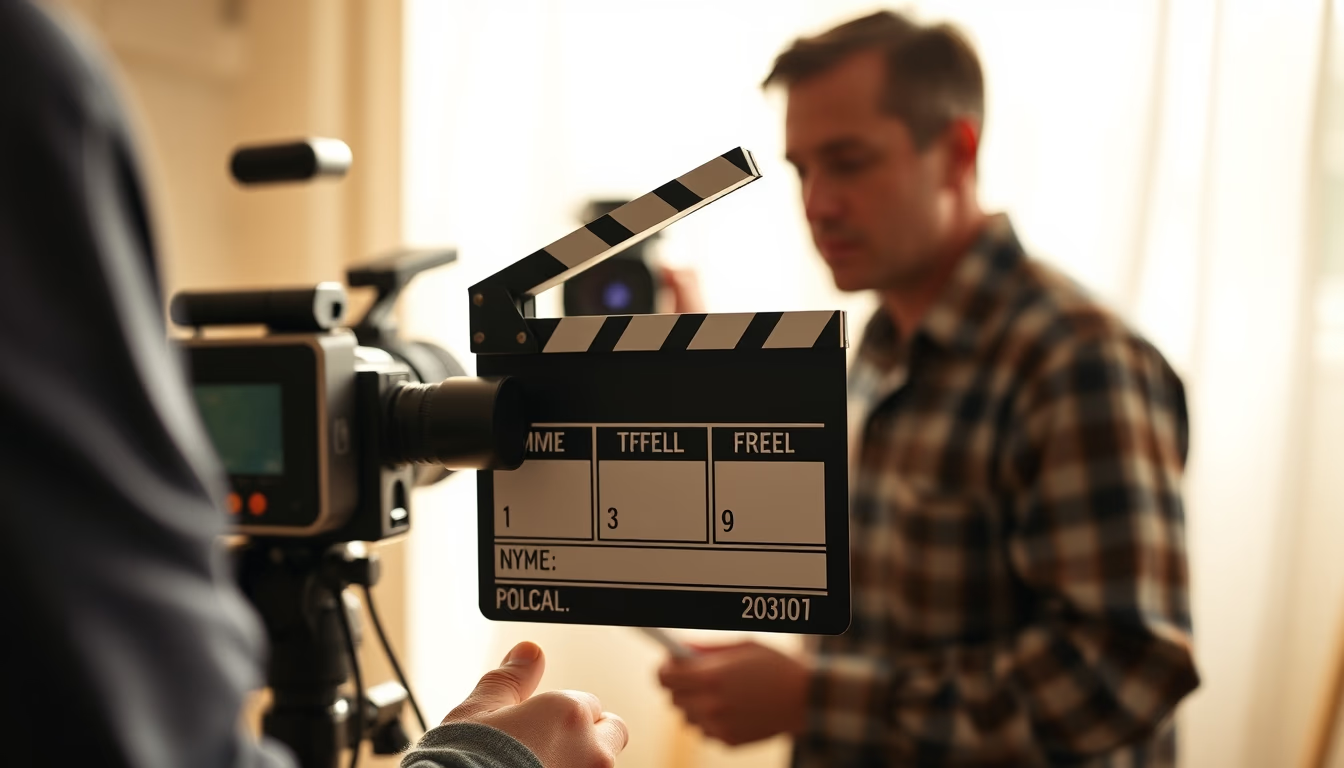
Movie clapperboard, an essential tool in audiovisual production, synchronizes sound and image during filming.
About this subject
The clapperboard, also known as a slate, is a device used in film and television productions to synchronize audio and video during editing. Consisting of a hinged board that produces a distinctive sound when clapped, it marks the beginning of each take. The information written on it, such as scene number, take, date, and production title, helps organize raw footage.
Historically, the clapperboard emerged in the early days of sound cinema, around the 1920s, when the need to align separately recorded sound with image became evident. Before that, films were silent and synchronization was manual. The invention of optical sound systems and later magnetic sound cemented the clapperboard as a global standard.
Technically, its main function is to provide an audiovisual reference point. The sound of the board's impact is captured by the microphone, while the image shows the exact moment it closes. In editing, these two elements are aligned to ensure that dialogue and sound effects match actor movements. With digital advancement, electronic clapperboards with LED displays and timecode synchronization have become common, but the traditional clapperboard is still widely used for its simplicity and reliability.
Interestingly, the clapperboard also serves as a visual identifier for each take, helping directors and editors quickly locate the best performances. On set, the camera assistant typically operates it, announcing the information aloud before clapping. This ritual is so iconic that the clapperboard has become a universal symbol of cinema, appearing in logos and promotional materials.
Frequently Asked Questions
What is the purpose of a clapperboard on set?
The clapperboard synchronizes separately recorded audio and video. When clapped, it produces a simultaneous sound and image that serve as a reference during editing.
Who invented the clapperboard?
There is no single inventor, but its use became widespread in the 1920s with the rise of sound cinema. The American company Mote & Associates was one of the first to manufacture them commercially.
What do the numbers and words on a clapperboard mean?
They typically include the production title, director, scene number, take number, date, and technical details like camera and lens used. This helps organize footage during post-production.
Direct URL
https://pub-c7d6a6ea828543ac903a74a341ccb2e1.r2.dev/imagens/movie-clapperboard-on-set-documentary-photography-p5.avifHow to credit
Include a visible link back to UtilizAí. Copy one of the snippets below:
<a href="https://xn--utiliza-eza.com/en/midia/imagens/movie-clapperboard-on-set-documentary-photography-p5">Movie clapperboard on set</a> by <a href="https://xn--utiliza-eza.com">UtilizAí</a>, licensed under <a href="https://creativecommons.org/licenses/by/4.0/">CC BY 4.0</a>.
[Movie clapperboard on set](https://xn--utiliza-eza.com/en/midia/imagens/movie-clapperboard-on-set-documentary-photography-p5) by [UtilizAí](https://xn--utiliza-eza.com), CC BY 4.0
License: CC-BY-4.0