Movie clapperboard on set
1344×768 · AVIF · CC BY 4.0
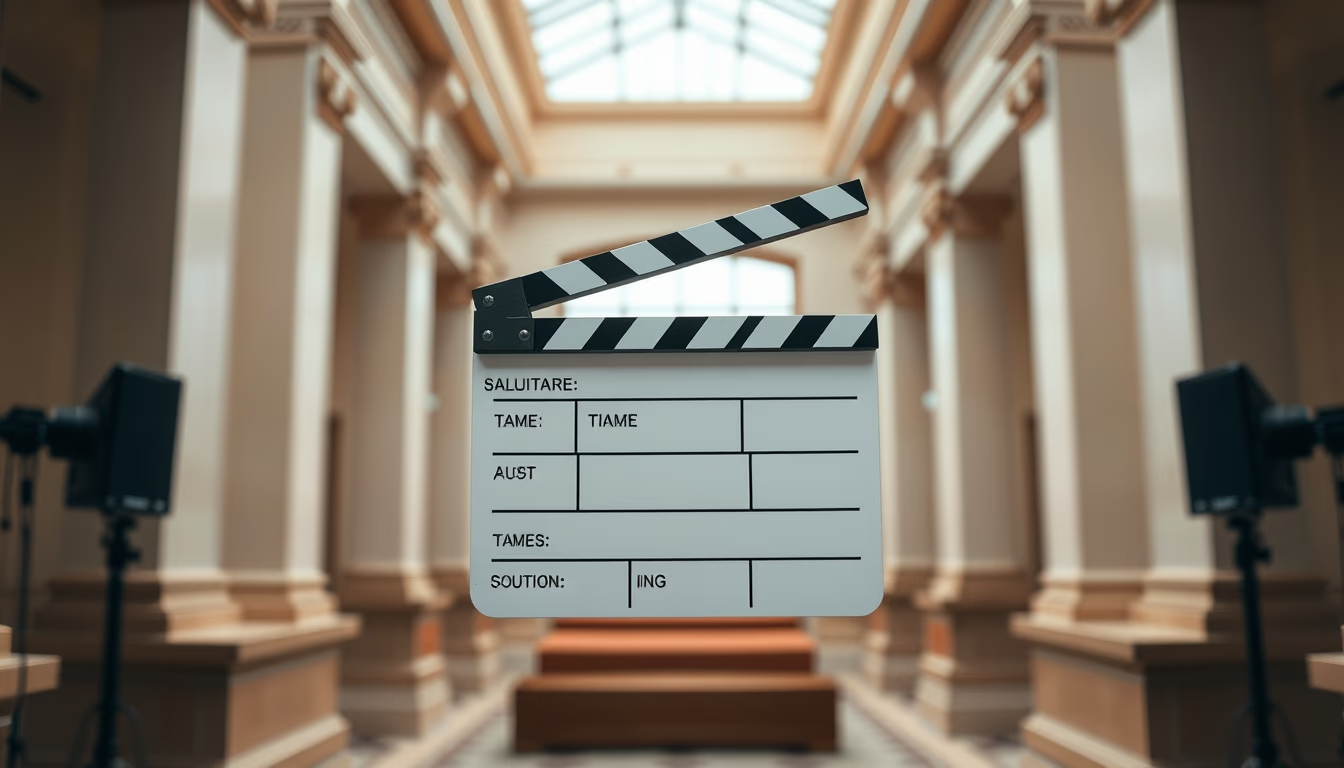
The clapperboard is an essential tool in film production, used to synchronize sound and image during filming.
About this subject
The clapperboard, also known as a film slate, is a device used on film sets to assist in synchronizing audio and video. It consists of a board where scene information is written, such as take number, scene, date, and film title, along with a hinged stick that produces a sharp sound when clapped. This sound is captured by the microphone, and the motion of the stick is recorded by the camera, allowing editors to align both tracks perfectly during post-production.
The origins of the clapperboard date back to the early sound films in the late 1920s. Before that, synchronization was done manually, but with the advent of separate sound recording, a precise method became necessary. The basic design has remained largely unchanged for decades, though digital versions with LED displays have emerged to streamline communication on set. Traditional models are still widely used for their simplicity and reliability.
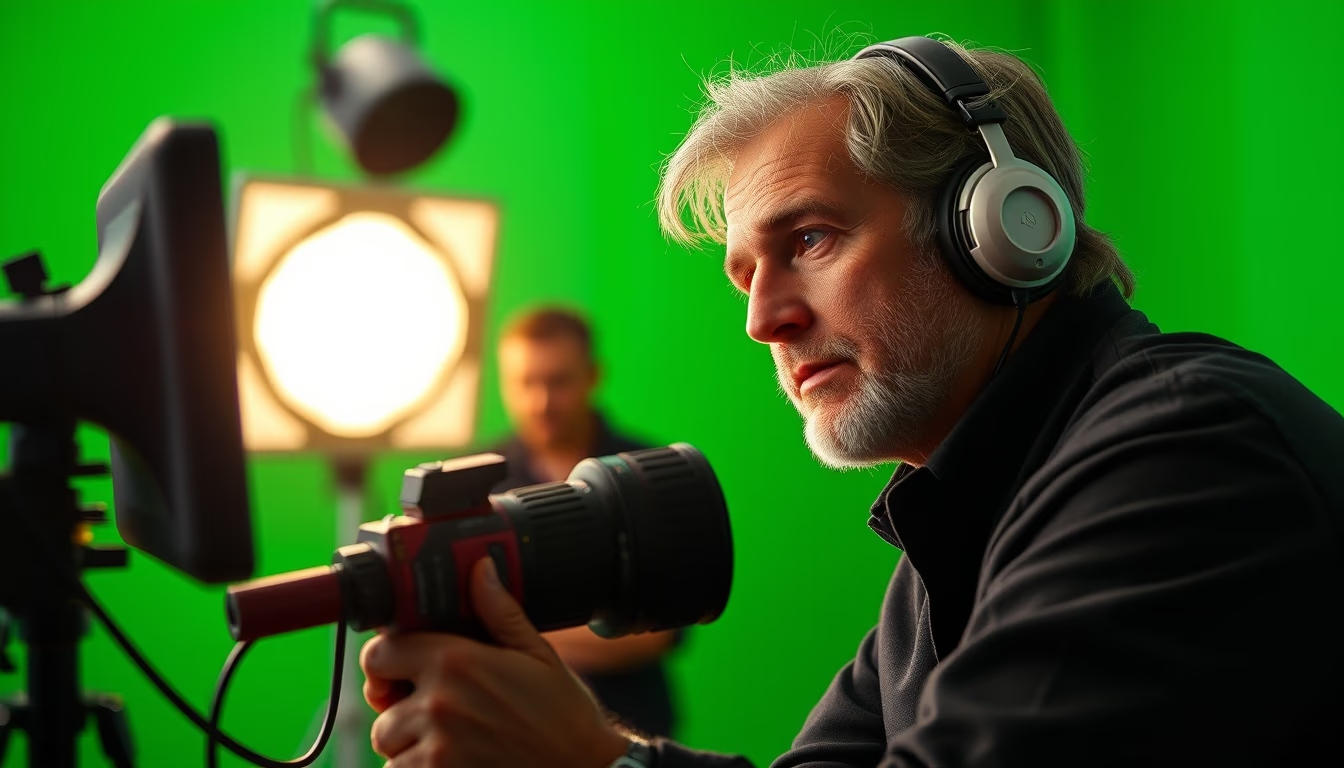
In practice, the camera assistant or clapper operator holds the device in front of the camera before each take. They verbally announce the scene and take number, then clap the stick. This act also serves as a marker for the editor, who can quickly identify the start of each clip. In modern filmmaking, editing software can even automatically detect the audio peak of the clap to synchronize, reducing manual effort.
Interestingly, the clapperboard has become an iconic symbol of the film industry, appearing in movies about cinema and as a collectible item. Some high-end models are made of fine wood or metal, and famous directors often have personalized clapperboards. The phrase "clap the slate" has become synonymous with starting a film shoot, even when the device is no longer used in some digital productions.
Frequently Asked Questions
What information is written on a clapperboard?
The slate displays details such as the film title, director, director of photography, scene number, take number, date, and other production notes like camera or film type.
Why is a clapperboard used?
It is used to synchronize audio and video in post-production. The sound of the clap and the motion of the stick provide an exact reference point that allows the editor to align the sound track with the corresponding image.
How has the clapperboard evolved with digital cinema?
With digital cinema, electronic clapperboards appeared, displaying information on LED screens and syncing automatically with camera timecode. However, traditional clapperboards are still used by many professionals for their reliability and low cost.
Direct URL
https://pub-c7d6a6ea828543ac903a74a341ccb2e1.r2.dev/imagens/movie-clapperboard-on-set-architectural-photography-p2.avifHow to credit
Include a visible link back to UtilizAí. Copy one of the snippets below:
<a href="https://xn--utiliza-eza.com/en/midia/imagens/movie-clapperboard-on-set-architectural-photography-p2">Movie clapperboard on set</a> by <a href="https://xn--utiliza-eza.com">UtilizAí</a>, licensed under <a href="https://creativecommons.org/licenses/by/4.0/">CC BY 4.0</a>.
[Movie clapperboard on set](https://xn--utiliza-eza.com/en/midia/imagens/movie-clapperboard-on-set-architectural-photography-p2) by [UtilizAí](https://xn--utiliza-eza.com), CC BY 4.0
License: CC-BY-4.0