Moroccan mint tea pot
1344×768 · AVIF · CC BY 4.0
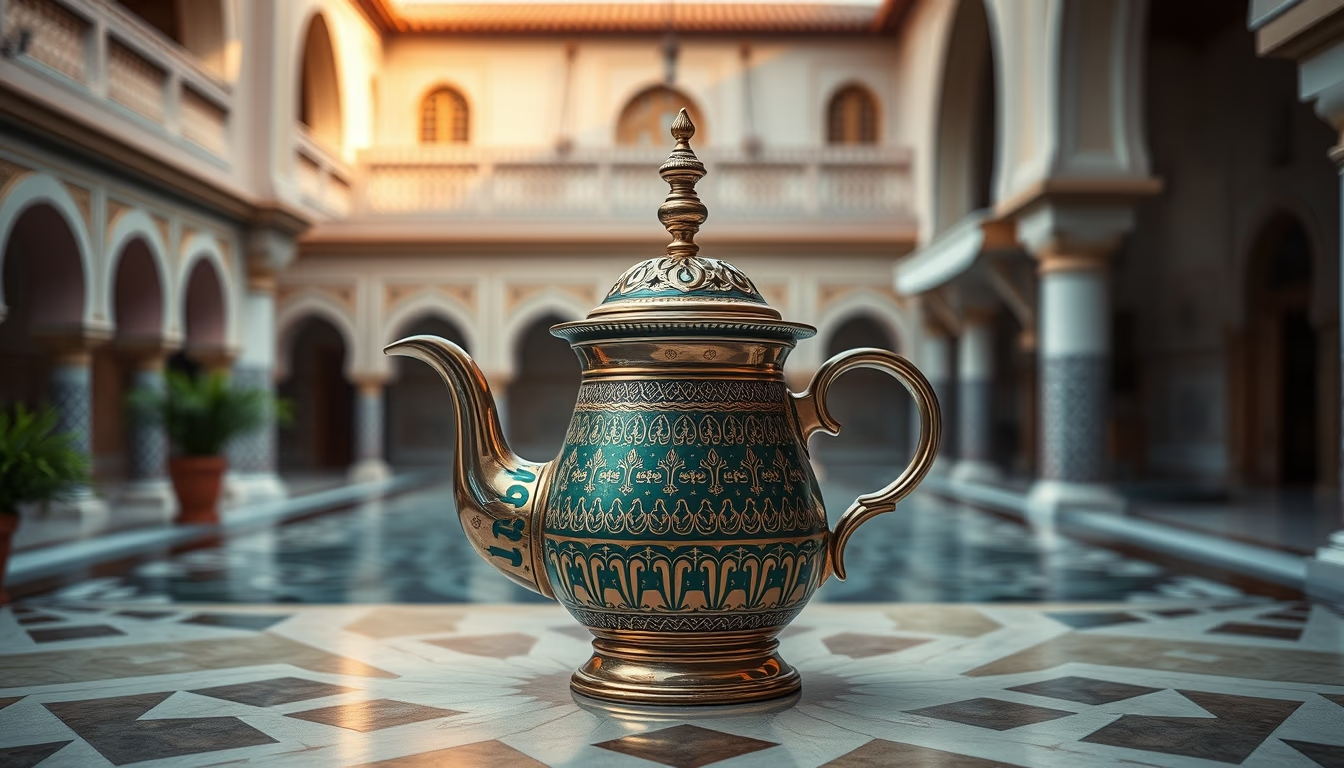
The Moroccan tea pot, or berrad, is essential to the mint tea ritual, a symbol of hospitality and tradition in Morocco.
About this subject
Moroccan mint tea (atay) is far more than a beverage: it is a deeply ingrained social ritual in the country. Prepared with green gunpowder tea, fresh mint leaves, and a generous amount of sugar, it is served in small decorated glasses. The traditional teapot, called berrad, is made of metal (usually silver, brass, or stainless steel) and features a long, curved spout designed to pour the tea from a height, creating a characteristic foam on top. This foam is a sign of a good brew. The ritual requires the tea to be served three times: the first glass is bitter like life, the second sweet like love, and the third gentle like death. The ceremony is a gesture of hospitality: refusing tea can be considered disrespectful. The teapots are often ornamented with geometric or floral motifs, inherited from Islamic art. Although green tea was introduced to Morocco in the 19th century via British trade routes, mint had been cultivated in the country for centuries. Today, the berrad is an icon of Moroccan craftsmanship, cherished by locals and tourists alike. Its handcrafted production is concentrated in cities like Fez and Marrakech, where artisans hammer and engrave each piece manually. The height of the pour is not merely aesthetic: it oxygenates the tea, enhancing the flavor of mint and sugar. This tradition has spread across North Africa and the Middle East, but each region has its variation. For instance, in Algeria, tea is often served with colored sugar cones, while in Mauritania they add milk. The berrad, with its functional and artistic design, has become a symbol of Moroccan culture abroad.
Frequently Asked Questions
What is the origin of Moroccan mint tea?
Green tea was introduced to Morocco in the 19th century by British traders, but mint was already cultivated locally. The combination created the mint tea ritual, which became a symbol of hospitality.
Why does the Moroccan teapot have a long, curved spout?
The long, curved spout allows pouring tea from a height, which oxygenates the drink and creates a characteristic foam considered essential for a proper brew.
How is the tea ceremony performed?
Tea is served three times in small glasses. Each round has a meaning: first is bitter (life), second sweet (love), third gentle (death). Refusing tea can be seen as impolite.
Direct URL
https://pub-c7d6a6ea828543ac903a74a341ccb2e1.r2.dev/imagens/moroccan-mint-tea-pot-architectural-photography-fresh4.avifHow to credit
Include a visible link back to UtilizAí. Copy one of the snippets below:
<a href="https://xn--utiliza-eza.com/en/midia/imagens/moroccan-mint-tea-pot-architectural-photography-fresh4">Moroccan mint tea pot</a> by <a href="https://xn--utiliza-eza.com">UtilizAí</a>, licensed under <a href="https://creativecommons.org/licenses/by/4.0/">CC BY 4.0</a>.
[Moroccan mint tea pot](https://xn--utiliza-eza.com/en/midia/imagens/moroccan-mint-tea-pot-architectural-photography-fresh4) by [UtilizAí](https://xn--utiliza-eza.com), CC BY 4.0
License: CC-BY-4.0