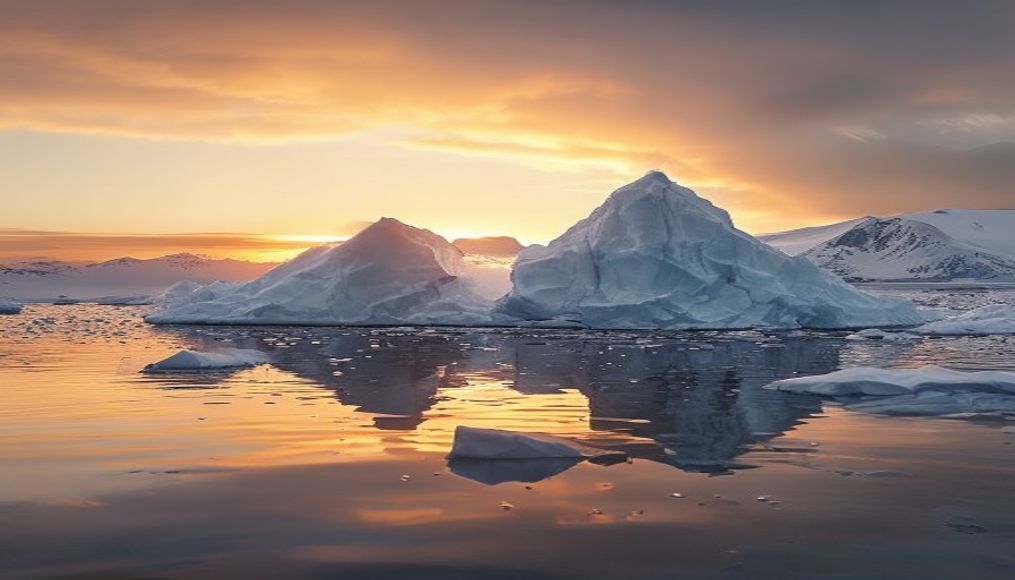
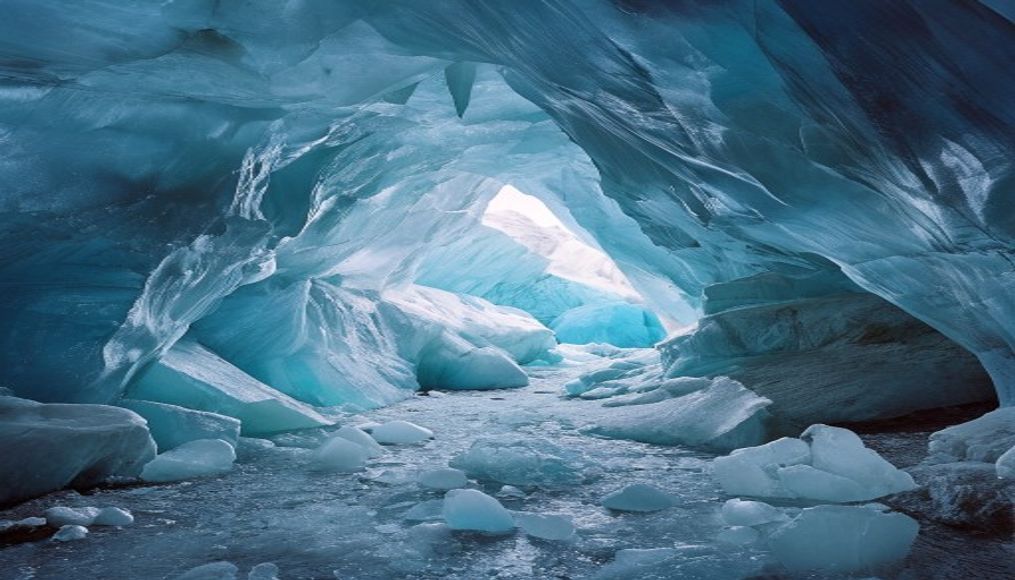
Moraine glacial deposit
1344×768 · AVIF · CC BY 4.0

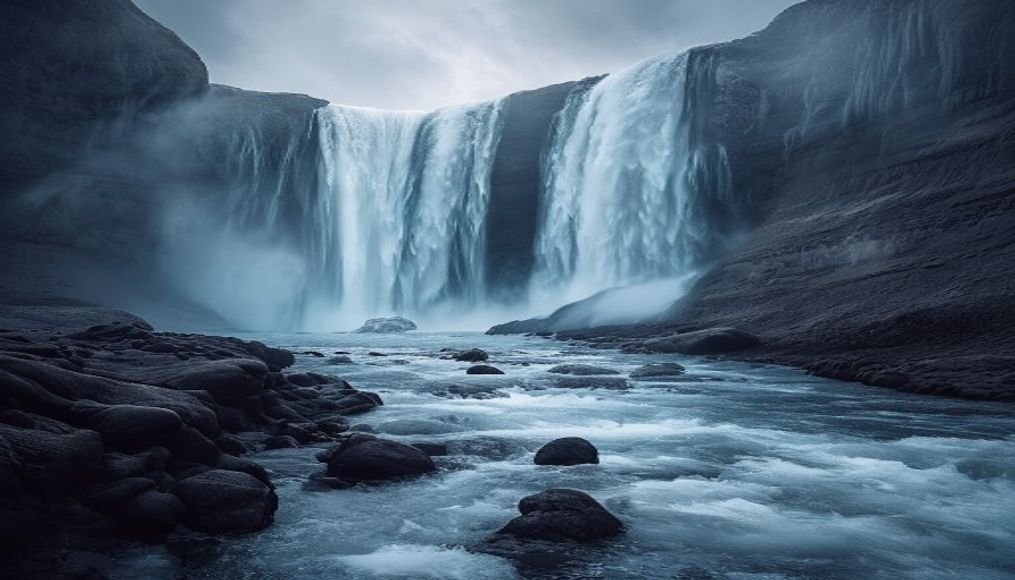
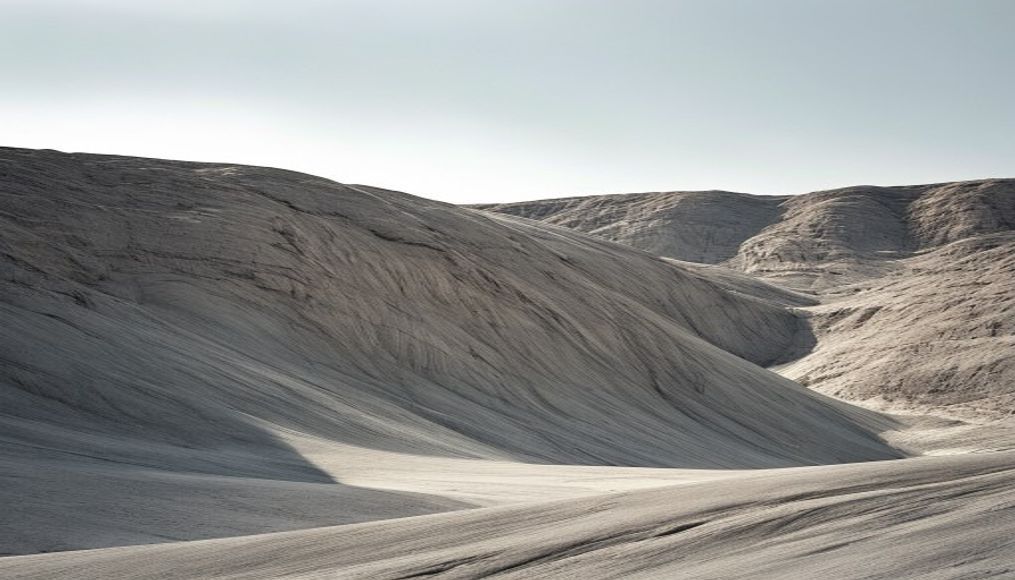
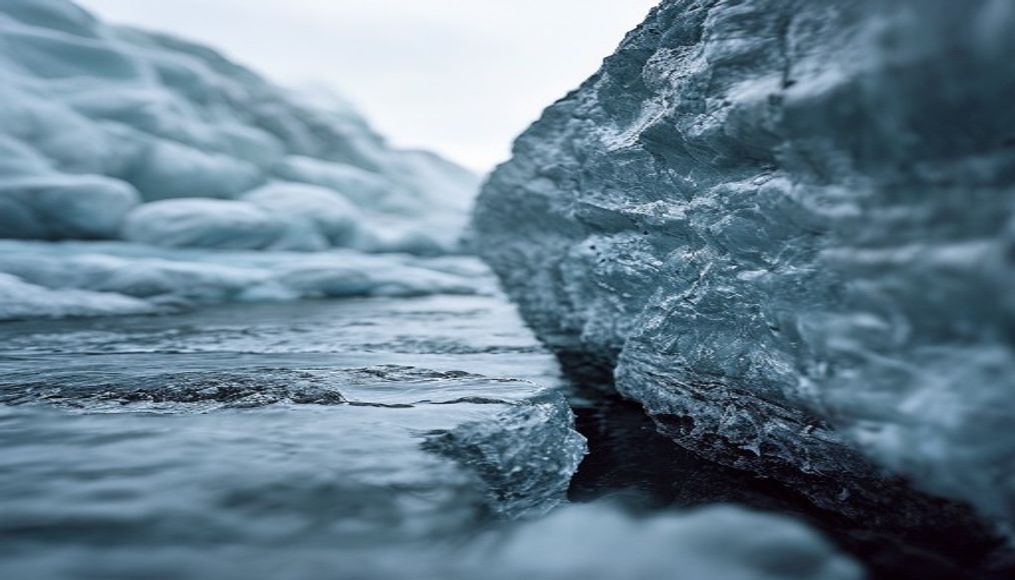
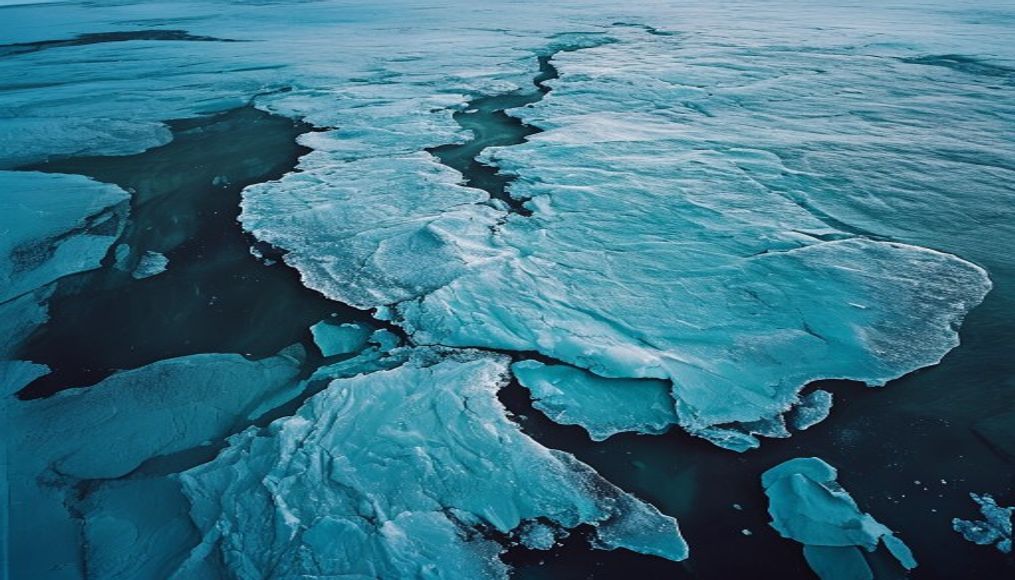
A glacial moraine is a deposit of rock sediments transported and accumulated by glaciers, revealing the geological and climatic history of a region.
About this subject
Glacial moraines are geological formations composed of rocky debris, including clay, sand, gravel, and boulders, transported and deposited by glaciers. They form when moving ice carries eroded material from the bedrock and valley sides, accumulating it at the margins, base, or terminus of the glacier. Several types exist: terminal moraines (deposited at the glacier's front), lateral moraines (along the sides), medial moraines (when two glaciers merge), and ground moraines (beneath the ice). These structures are key indicators of past glacier extent and climate change.
In Brazil, although there are no active glaciers today, moraines are found in high mountain regions such as the Serra da Mantiqueira and Itatiaia National Park, witnessing ancient Quaternary glaciations. Studying moraines helps scientists reconstruct paleoclimates and understand ice sheet dynamics. For instance, analysis of moraines in Chilean and Argentine Patagonia provided evidence of glacial advances and retreats over thousands of years.
The composition and shape of a moraine vary widely. Terminal moraines often form long, steep ridges, while lateral moraines appear as parallel elevations along glacial valleys. The sediments are poorly sorted, with grains of different sizes, unlike well-sorted river deposits. This characteristic helps geologists identify glacial environments in the geological record. Additionally, moraines may contain large erratic boulders, rocks transported from distant sources that do not match the local geology.
The preservation of moraines is crucial for understanding environmental changes. With global warming, glaciers are retreating rapidly, exposing new moraines and revealing landscapes once covered by ice. Studying these deposits aids in predicting future changes in polar regions and sea level. In areas like the Himalayas and the Alps, moraines also influence local hydrology, as they can act as dams for glacial lakes, posing risks of sudden outburst floods if breached.
Frequently Asked Questions
What is the difference between a terminal moraine and a lateral moraine?
A terminal moraine is deposited at the glacier's front, marking its maximum extent, while a lateral moraine forms along the glacier's sides, parallel to the flow.
Can moraines be found in Brazil?
Yes, although there are no active glaciers today, moraines from ancient glaciations are found in high mountain regions such as the Serra da Mantiqueira and Itatiaia National Park.
Why are moraines important for studying climate change?
Moraines record glacier advances and retreats over time, providing crucial data for reconstructing paleoclimates and understanding the effects of global warming.
Direct URL
https://pub-c7d6a6ea828543ac903a74a341ccb2e1.r2.dev/imagens/moraine-glacial-deposit-studio-editorial-portrait-p1.avifHow to credit
Include a visible link back to UtilizAí. Copy one of the snippets below:
<a href="https://xn--utiliza-eza.com/en/midia/imagens/moraine-glacial-deposit-studio-editorial-portrait-p1">Moraine glacial deposit</a> by <a href="https://xn--utiliza-eza.com">UtilizAí</a>, licensed under <a href="https://creativecommons.org/licenses/by/4.0/">CC BY 4.0</a>.
[Moraine glacial deposit](https://xn--utiliza-eza.com/en/midia/imagens/moraine-glacial-deposit-studio-editorial-portrait-p1) by [UtilizAí](https://xn--utiliza-eza.com), CC BY 4.0
License: CC-BY-4.0