Moraine glacial deposit
1344×768 · AVIF · CC BY 4.0
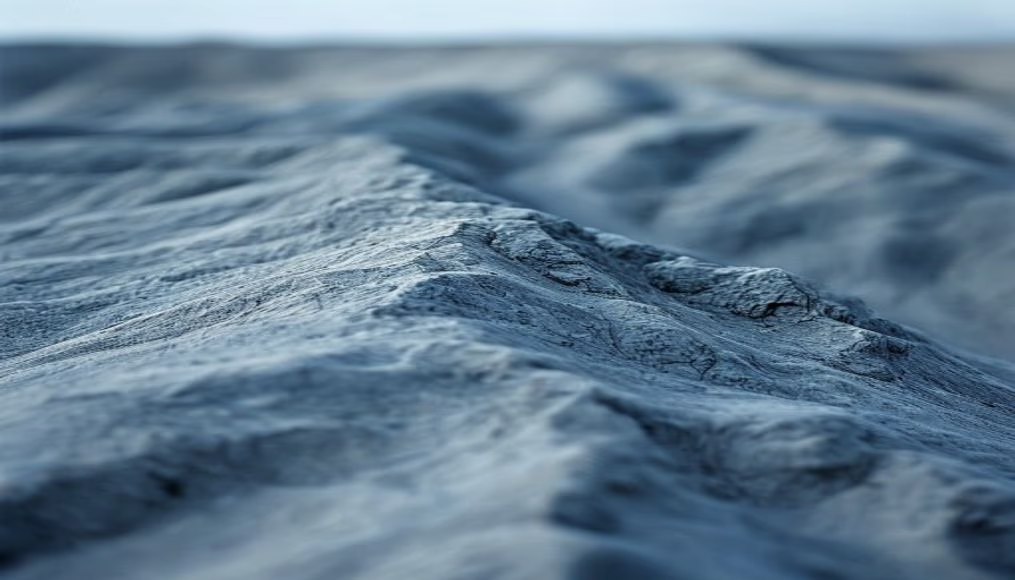
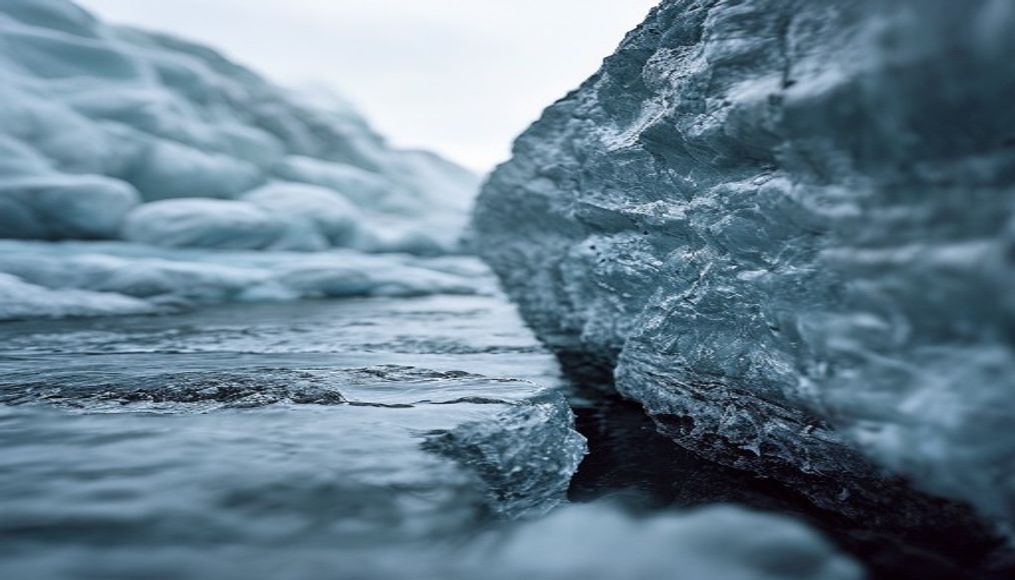
Glacial moraine deposits are accumulations of sediment transported and deposited by glaciers, essential for understanding geological and climate history.
About this subject
A glacial moraine is a deposit of heterogeneous sediments, known as till, that is transported and left behind by a glacier as it moves or melts. These sediments range from fine clay to large boulders, resulting in a chaotic, non-stratified texture. There are different types of moraines: terminal, marking the glacier's furthest advance; lateral, formed along the sides; medial, where two glaciers merge; and ground moraine, deposited beneath the ice.
The composition of a moraine reflects the bedrock over which the glacier passed, providing insights into local geology. Glacial moraines are found in mountainous and polar regions worldwide, such as the Alps, the Himalayas, and Patagonia. In Brazil, although there are no active glaciers today, traces of moraines in the southern and southeastern mountain ranges indicate ancient glaciations during the Permo-Carboniferous period.
Beyond their scientific value, moraines have practical importance. They can act as natural dams, impounding water and forming glacial lakes. These lakes can be unstable and cause catastrophic floods when the moraine barrier fails. Studying moraines thus helps predict natural hazards and understand global climate changes throughout Earth's history.
Frequently Asked Questions
What is a glacial moraine?
A glacial moraine is an accumulation of sediment (till) transported and deposited by a glacier. They form when the glacier melts or retreats, leaving behind rocks and debris of all sizes.
How are moraines used to study climate change?
By analyzing the position and composition of moraines, scientists can reconstruct the advance and retreat of glaciers over time, providing clues about past climatic variations. Terminal moraines, for example, indicate the maximum extent of a glacier during a specific period.
Where can glacial moraines be found in Brazil?
In Brazil, evidence of moraines is found in mountain ranges such as the Serra do Mar and Serra da Mantiqueira, dating back to ancient glacial periods like the Permo-Carboniferous glaciation. Although there are no active glaciers today, these fossil deposits are studied to understand past climate.
Direct URL
https://pub-c7d6a6ea828543ac903a74a341ccb2e1.r2.dev/imagens/moraine-glacial-deposit-macro-closeup-p3.avifHow to credit
Include a visible link back to UtilizAí. Copy one of the snippets below:
<a href="https://xn--utiliza-eza.com/en/midia/imagens/moraine-glacial-deposit-macro-closeup-p3">Moraine glacial deposit</a> by <a href="https://xn--utiliza-eza.com">UtilizAí</a>, licensed under <a href="https://creativecommons.org/licenses/by/4.0/">CC BY 4.0</a>.
[Moraine glacial deposit](https://xn--utiliza-eza.com/en/midia/imagens/moraine-glacial-deposit-macro-closeup-p3) by [UtilizAí](https://xn--utiliza-eza.com), CC BY 4.0
License: CC-BY-4.0