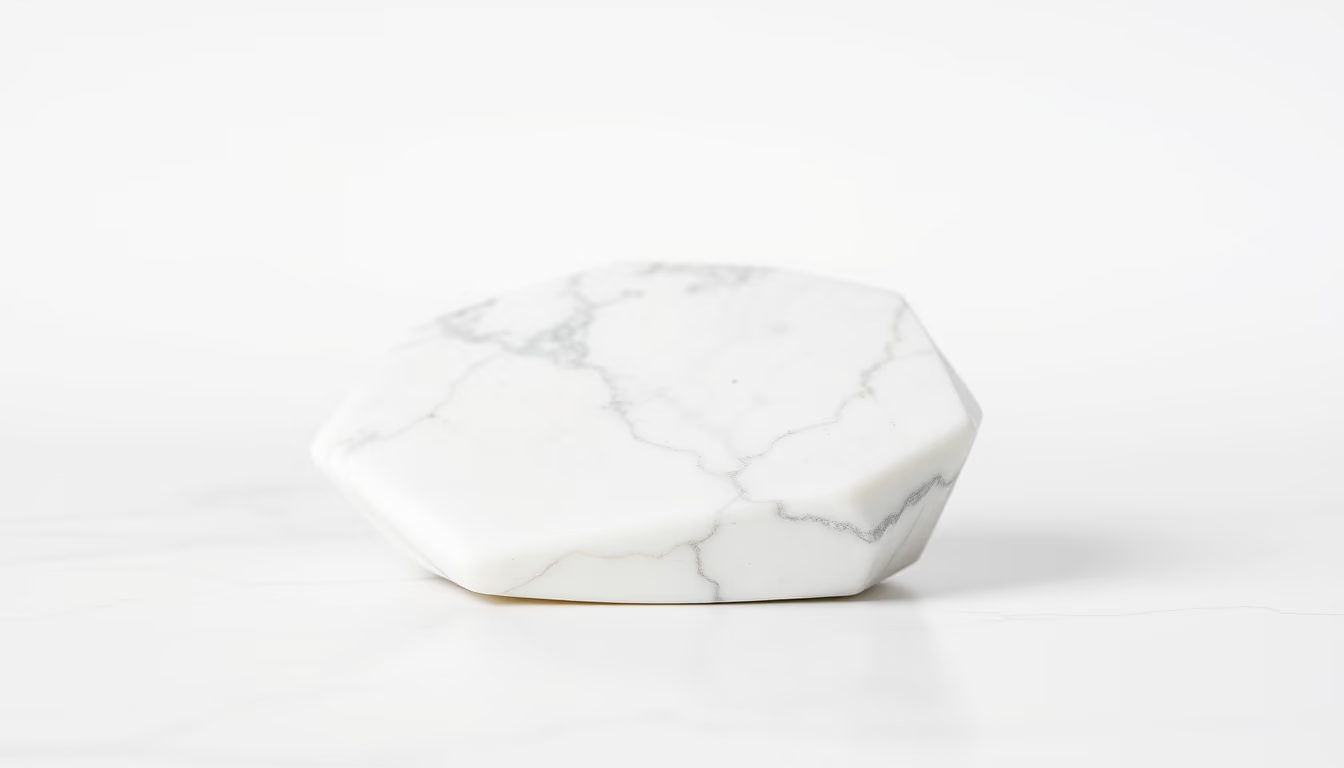
Minimalist white space
1344×768 · AVIF · CC BY 4.0
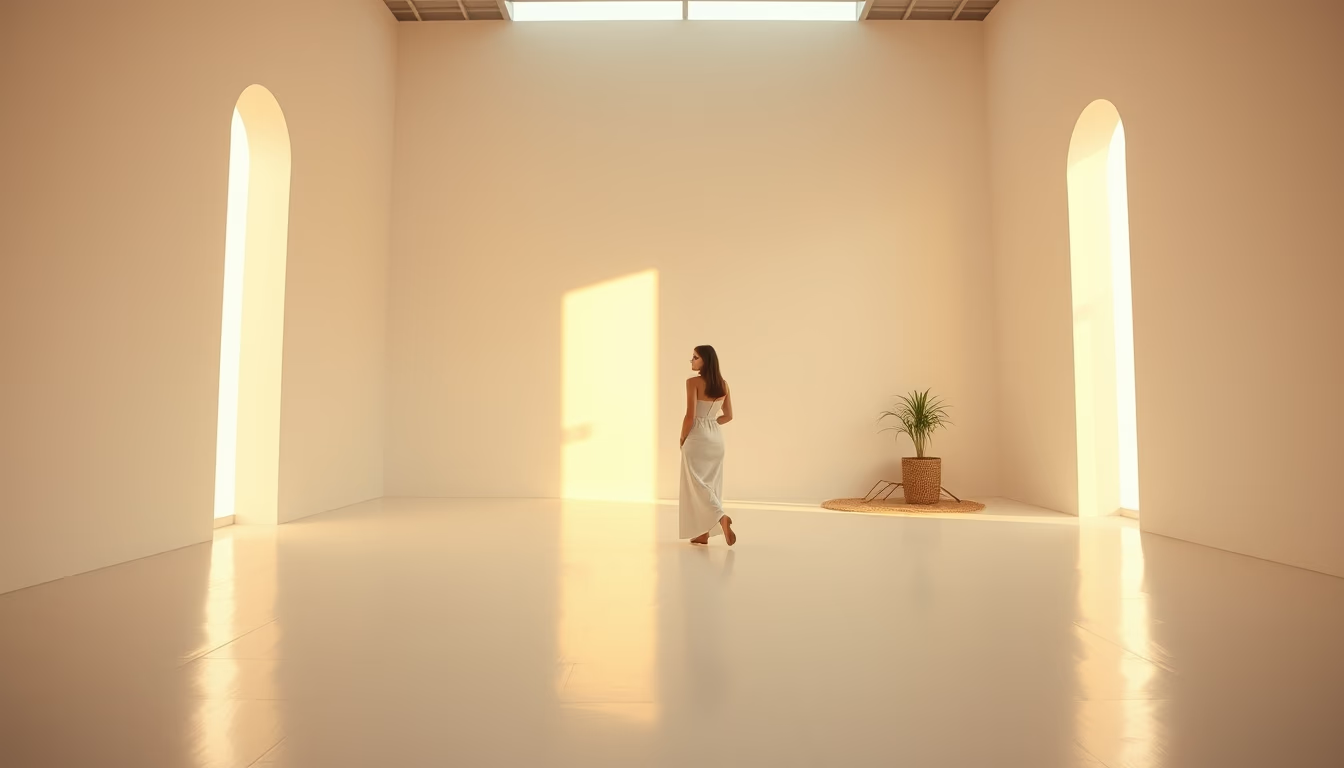
Visual minimalism relies on the strategic use of white space, a fundamental element in contemporary design.
About this subject
White space, also known as negative space, is not simply an empty area in a visual composition. It functions as an active design tool that organizes, balances, and directs the viewer's attention. Originating in the avant-garde art movements of the 20th century, such as the 1960s Minimalist movement (Donald Judd, Agnes Martin), the concept was incorporated into graphic design and modern architecture.
Its importance for usability is proven: studies show that proper use of white space can increase text legibility by up to 20%. Major brands like Apple and Google employ this resource in their interfaces to convey clarity, sophistication, and focus on functionality. In photography, a wide frame with ample negative space creates a sense of calm and isolation, common in cinematic wide shots.
White space also dialogues with principles of Gestalt psychology, such as the law of proximity and figure-ground, which explain how the brain organizes visual stimuli. In practice, it reduces cognitive load, allowing users to process information more quickly and intuitively. In branding, luxury brands often use spacious layouts to evoke exclusivity and minimalism.
Interestingly, Eastern cultures, especially Japanese, have long valued emptiness as an expressive element. The concept of "ma" (間) refers to the pause or interval that gives meaning to what surrounds it. In Scandinavian design, negative space is part of the pursuit of functionality and simplicity. Thus, minimalism is not about having less, but about giving importance to each element, including what is absent.
Frequently Asked Questions
What is white space in design?
It is the empty area between visual elements, also called negative space. It doesn't have to be white; it can be any color or texture as long as it contains no design elements.
How does white space improve usability?
It visually organizes information, reduces cognitive load, and guides the user's eye to focal points, increasing comprehension by up to 20%.
What is the relationship between minimalism and white space?
Minimalism uses white space as a core principle to eliminate excess, focus on essentials, and create a clean, intuitive visual experience.
Direct URL
https://pub-c7d6a6ea828543ac903a74a341ccb2e1.r2.dev/imagens/minimalist-white-space-cinematic-wide-shot-p3.avifHow to credit
Include a visible link back to UtilizAí. Copy one of the snippets below:
<a href="https://xn--utiliza-eza.com/en/midia/imagens/minimalist-white-space-cinematic-wide-shot-p3">Minimalist white space</a> by <a href="https://xn--utiliza-eza.com">UtilizAí</a>, licensed under <a href="https://creativecommons.org/licenses/by/4.0/">CC BY 4.0</a>.
[Minimalist white space](https://xn--utiliza-eza.com/en/midia/imagens/minimalist-white-space-cinematic-wide-shot-p3) by [UtilizAí](https://xn--utiliza-eza.com), CC BY 4.0
License: CC-BY-4.0