Minimalist japanese house
1344×768 · AVIF · CC BY 4.0
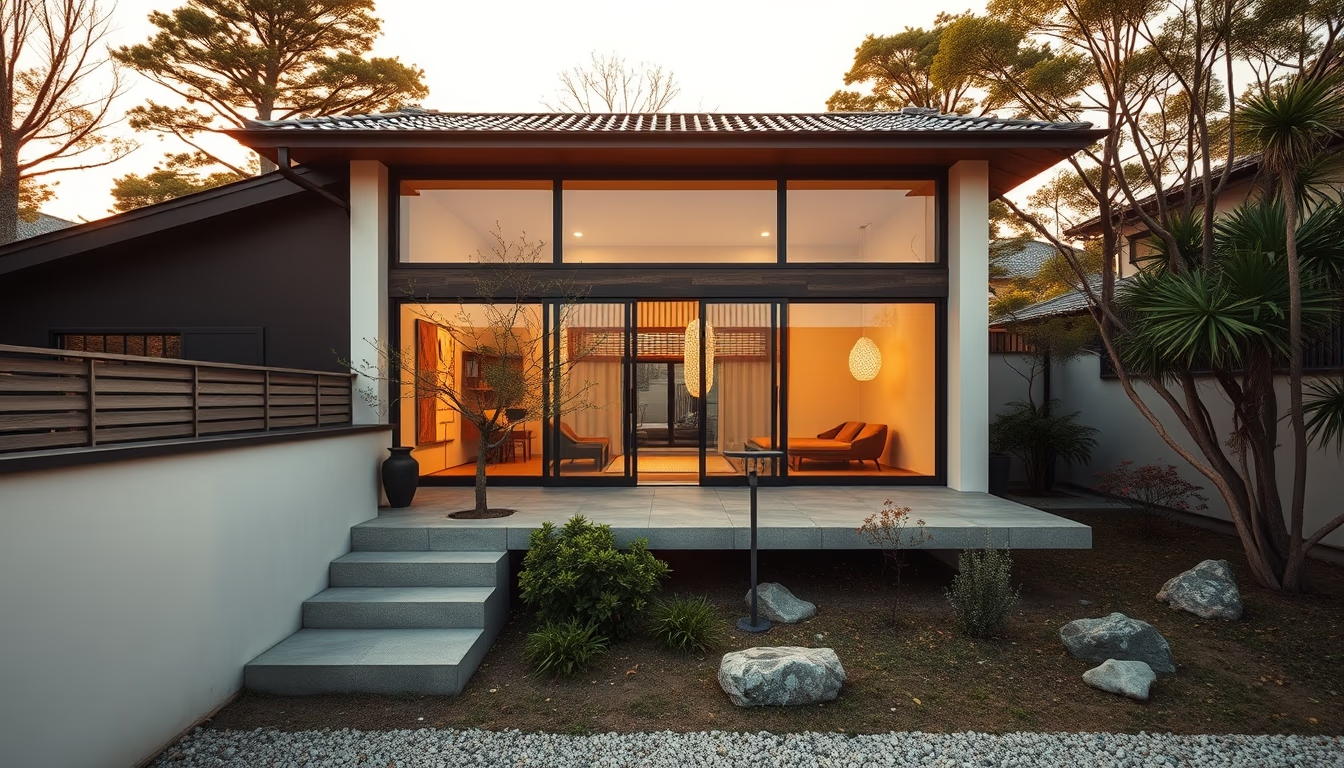
Minimalist Japanese houses blend tradition and modernity with open spaces and natural materials like wood and stone.
About this subject
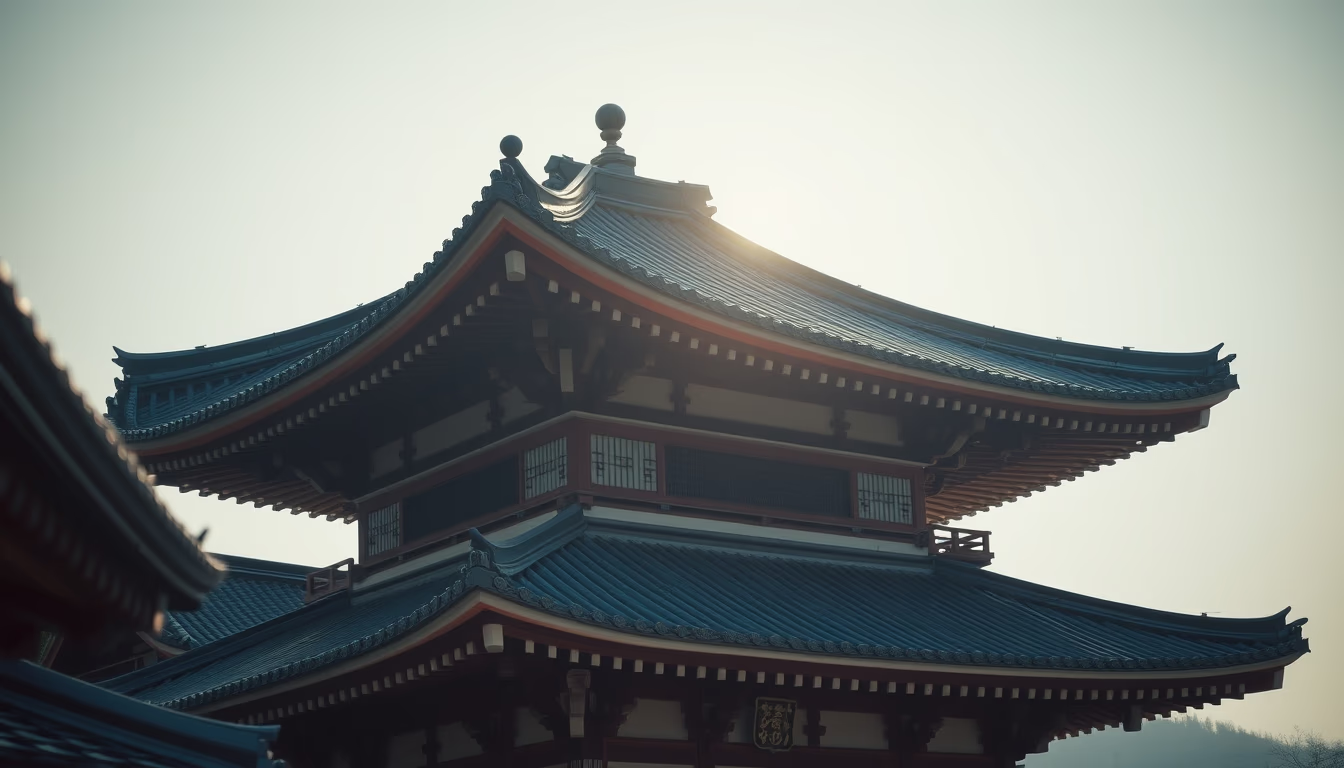
Minimalist Japanese houses, also known as minka or contemporary wa style dwellings, directly reflect Japan's aesthetic and philosophical principles. They prioritize simplicity, functionality, and harmony with nature, using materials such as wood, rice paper (shoji), tatami mats, and stone. Spaces are fluid, often integrated with internal or external gardens, promoting a sense of continuity and peace. Elements like the engawa (covered veranda) and sliding doors (fusuma) allow rooms to be reconfigured to suit different needs.
This architectural approach is deeply influenced by Zen Buddhism and the concept of wabi-sabi, which finds beauty in imperfection and transience. Natural light is controlled through lattices and panels, creating soft shadows and meditative atmospheres. Renowned architects like Tadao Ando and Kengo Kuma are exponents of Japanese minimalism, using exposed concrete and glass to reinterpret centuries-old traditions, as seen in the Church of the Light or the Kanazawa Museum of Contemporary Art.
In urban settings, minimalist Japanese houses often face the challenge of limited space, resulting in smart storage solutions and efficient layouts. Open floor plans, a connection to nature, and the absence of superfluous decoration are hallmarks. Unlike Western minimalism, which can sometimes feel cold, Japanese minimalism seeks human warmth through materials and interaction with the natural environment, creating a tranquil refuge amidst city chaos.
Frequently Asked Questions
What are the main features of a minimalist Japanese house?
Key features include natural materials like wood and stone, open and fluid floor plans, sliding doors (fusuma and shoji), tatami mats, integration with gardens, and an emphasis on natural light and simplicity.
How does Zen Buddhism influence minimalist Japanese architecture?
Zen Buddhism inspires a quest for meditation and tranquility spaces, valuing simplicity, emptiness (ma), and connection to nature. This translates into uncluttered rooms and elements like dry gardens (karesansui).
How does Japanese minimalism differ from Western minimalism?
Japanese minimalism emphasizes human warmth through natural materials and interaction with nature, while Western minimalism often focuses on clean aesthetics and absence of objects. The concept of wabi-sabi also brings an acceptance of imperfection, which is rare in Western minimalism.
Direct URL
https://pub-c7d6a6ea828543ac903a74a341ccb2e1.r2.dev/imagens/minimalist-japanese-house-travel-photography-p3.avifHow to credit
Include a visible link back to UtilizAí. Copy one of the snippets below:
<a href="https://xn--utiliza-eza.com/en/midia/imagens/minimalist-japanese-house-travel-photography-p3">Minimalist japanese house</a> by <a href="https://xn--utiliza-eza.com">UtilizAí</a>, licensed under <a href="https://creativecommons.org/licenses/by/4.0/">CC BY 4.0</a>.
[Minimalist japanese house](https://xn--utiliza-eza.com/en/midia/imagens/minimalist-japanese-house-travel-photography-p3) by [UtilizAí](https://xn--utiliza-eza.com), CC BY 4.0
License: CC-BY-4.0