Microgreens trays
1344×768 · AVIF · CC BY 4.0
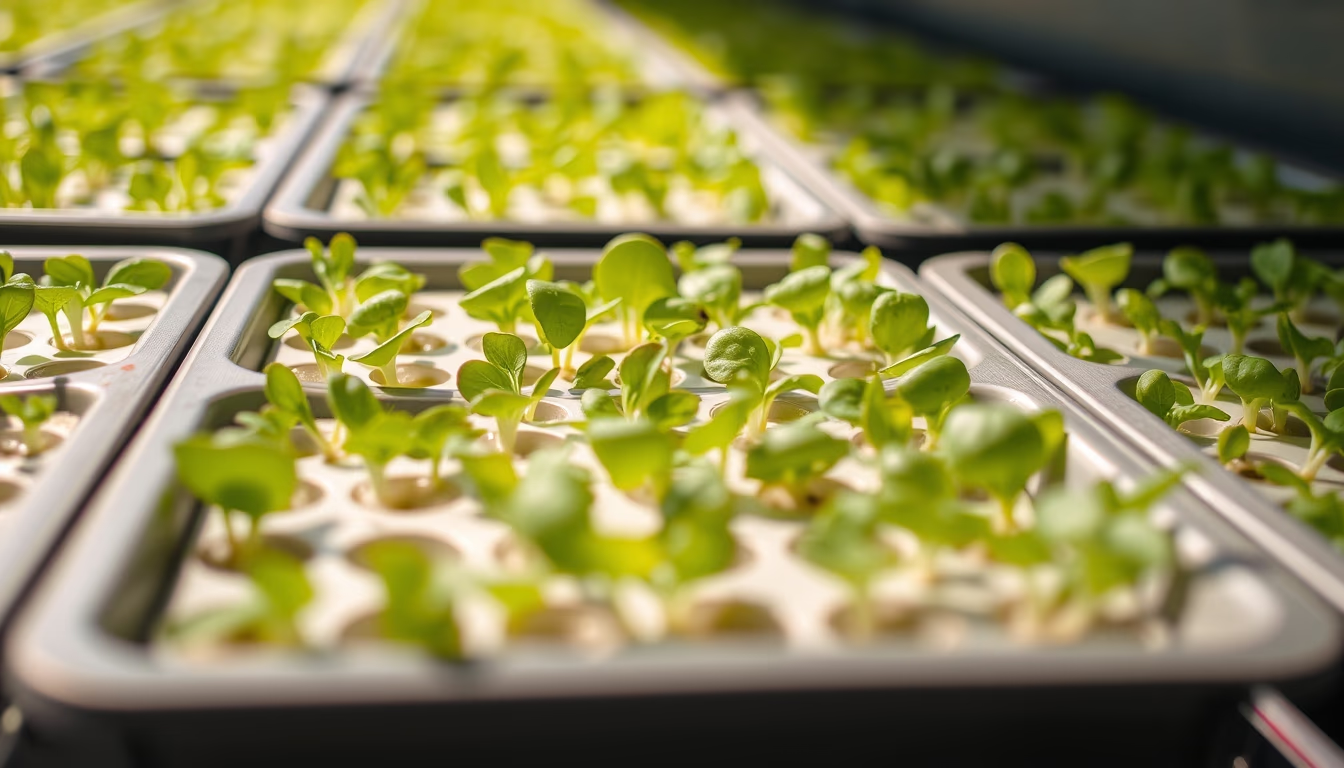
Microgreens trays are revolutionizing urban agriculture, providing concentrated nutrition in small spaces.
About this subject
Microgreens trays represent a significant innovation in modern agriculture, especially in urban environments. These trays are designed for growing young seedlings of vegetables and herbs, harvested shortly after the first true leaves appear. The process is fast: 7 to 14 days depending on the species, allowing accelerated production cycles. Microgreens are known to contain 4 to 40 times more nutrients than mature plants, according to studies from the University of Maryland. Additionally, tray cultivation requires little space and water, making it a sustainable alternative for fresh food production in cities.
The popularity of microgreens has skyrocketed in recent years, driven by demand for functional foods and culinary aesthetics. High-end restaurants use microgreens to garnish dishes and add intense flavors. Common varieties include broccoli, radish, sunflower, and cilantro, each with distinct nutritional profiles and tastes. Trays are usually made of recyclable plastic or biodegradable materials, and the substrate can be soil, coconut fiber, or hydroponic felt. Tray production also allows precise control of light, temperature, and humidity, ensuring consistent quality.
An interesting fact is that microgreens should not be confused with sprouts: sprouts are germinated without soil and consumed with roots, while microgreens grow in a substrate and are cut above the soil line. The tray cultivation technique was popularized by Japanese and American farmers in the 1990s, but only gained commercial scale in Brazil in the 2010s. Today, small producers and vertical farming companies adopt this system to supply local markets, reducing the carbon footprint associated with vegetable transportation. The trend for 2026 points to integration with automation and indoor cultivation technologies, such as LED lighting and automated irrigation.
For the end consumer, microgreens trays offer the possibility of growing at home, in apartments or balconies, ensuring access to fresh greens year-round. Ready-made kits with seeds, tray, and substrate are sold at garden stores and online. Besides nutritional benefits, home cultivation promotes well-being and connection with nature. The global microgreens market is expected to grow at an annual rate of 10% until 2030, according to market research reports, driven by awareness of healthy eating and sustainability.
Frequently Asked Questions
What is the difference between microgreens and sprouts?
Microgreens are grown in a substrate (soil or fiber) for 7-14 days and harvested by cutting the stem above the soil line. Sprouts are germinated without soil, consumed whole, and harvested in 2-5 days.
What nutrients do microgreens provide?
They are rich in vitamins C, E, K, beta-carotene, lutein, and minerals like iron and zinc. Studies show nutrient concentrations can be up to 40 times higher than in mature plants.
How to grow microgreens at home using trays?
Scatter seeds over moistened substrate in the tray, cover lightly, and keep in a lit area (indirect light). Mist daily with a spray bottle. After 7-14 days, cut the stems with scissors.
Direct URL
https://pub-c7d6a6ea828543ac903a74a341ccb2e1.r2.dev/imagens/microgreens-trays-magazine-editorial-p5.avifHow to credit
Include a visible link back to UtilizAí. Copy one of the snippets below:
<a href="https://xn--utiliza-eza.com/en/midia/imagens/microgreens-trays-magazine-editorial-p5">Microgreens trays</a> by <a href="https://xn--utiliza-eza.com">UtilizAí</a>, licensed under <a href="https://creativecommons.org/licenses/by/4.0/">CC BY 4.0</a>.
[Microgreens trays](https://xn--utiliza-eza.com/en/midia/imagens/microgreens-trays-magazine-editorial-p5) by [UtilizAí](https://xn--utiliza-eza.com), CC BY 4.0
License: CC-BY-4.0