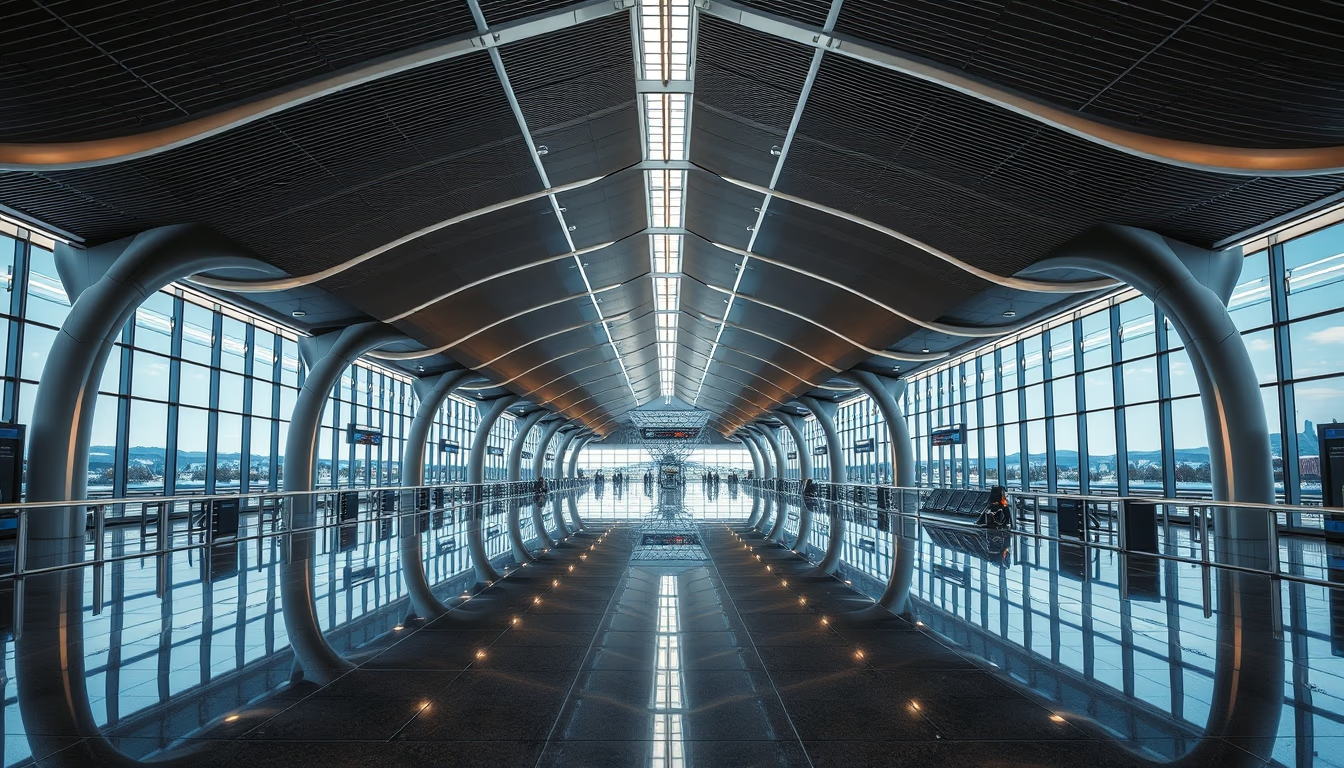
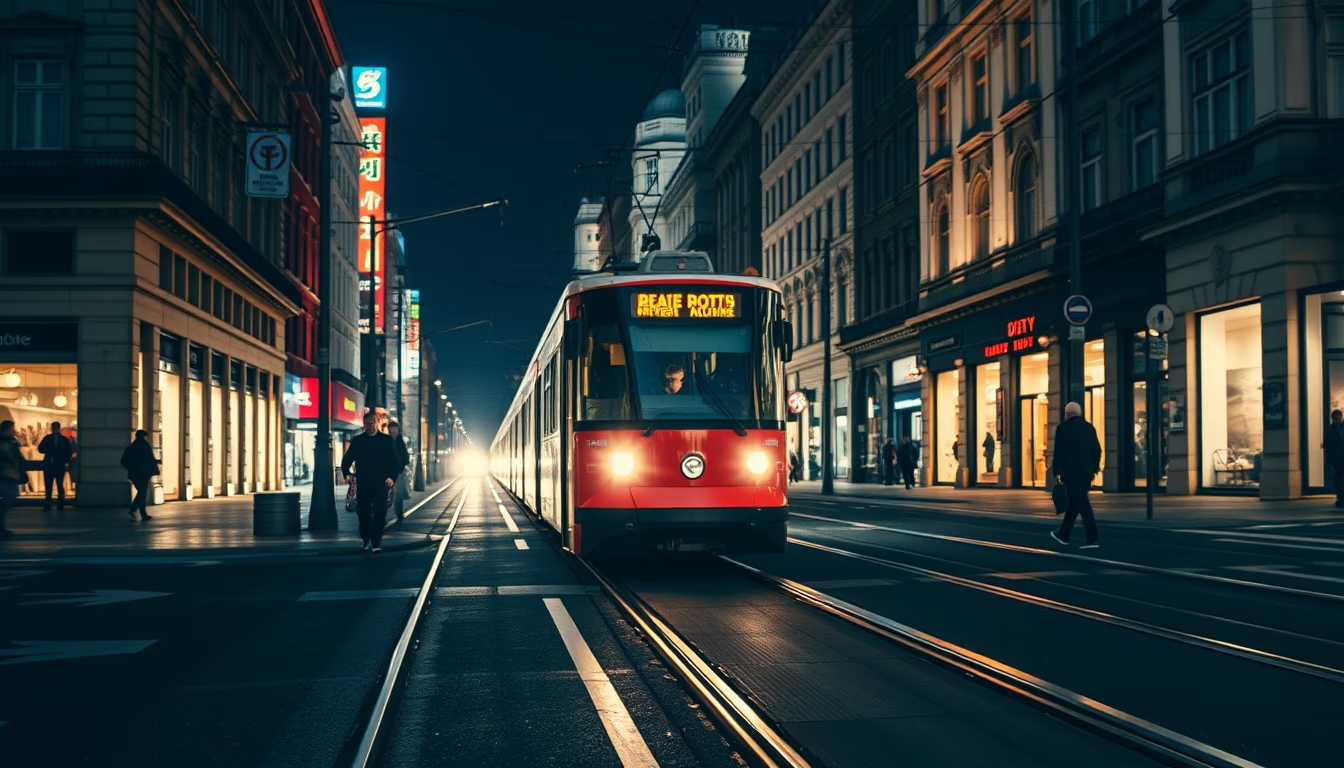
Metro station underground modern
1344×768 · AVIF · CC BY 4.0

Modern underground metro stations merge architecture, technology, and sustainability to optimize urban mobility in megacities.
About this subject
Modern underground metro stations represent a significant leap from 20th-century designs. They incorporate intelligent ventilation systems, LED lighting, and motion sensors to reduce energy consumption. In cities like Dubai, the Burj Khalifa/Dubai Mall station features integration with skyscrapers and laminated glass that filters sunlight. In London, the Elizabeth line (Crossrail) introduced stations with 200-meter-long platforms and platform screen doors, enhancing safety and efficiency.
Accessibility is a priority: wide escalators, wheelchair-accessible elevators, and tactile guidance systems for the visually impaired are standard in recent projects. Stations such as Namba in Osaka include indoor gardens and green walls to improve air quality. Contactless payment technology and integration with mobility apps are also hallmarks of these spaces.
Culturally, stations have become public art galleries. In Moscow, the newer stations on the Bolshaya Koltsevaya line feature mosaics and sculptures celebrating Russian history. In São Paulo, the Fradique Coutinho Station (Line 4-Yellow) has graffiti panels and modern design. The modern underground station transforms from a mere transit point into a space for social interaction and artistic expression.
Interestingly, some stations are built over 100 meters deep, such as those in Pyongyang (North Korea) or Stockholm, where exposed bedrock creates a unique environment. The use of tunnel boring machines (TBMs) allows faster and safer construction, reducing surface disruption.
Frequently Asked Questions
What are the most modern metro stations in the world?
Stations like Burj Khalifa/Dubai Mall (Dubai), the Elizabeth line (London), and the newer Bolshaya Koltsevaya line (Moscow) are examples of modernity. They combine design, technology, and sustainability.
How do modern stations improve accessibility?
They feature wide elevators, escalators, tactile paving, braille signage, and audio systems to guide people with visual or mobility impairments.
Why are some metro stations so deep?
Depth may be needed to cross rivers, mountains, or avoid existing infrastructure. In places like Stockholm, the bedrock is left exposed for stability and aesthetics.
Direct URL
https://pub-c7d6a6ea828543ac903a74a341ccb2e1.r2.dev/imagens/metro-station-underground-modern-lo-fi-disposable-camera-p1.avifHow to credit
Include a visible link back to UtilizAí. Copy one of the snippets below:
<a href="https://xn--utiliza-eza.com/en/midia/imagens/metro-station-underground-modern-lo-fi-disposable-camera-p1">Metro station underground modern</a> by <a href="https://xn--utiliza-eza.com">UtilizAí</a>, licensed under <a href="https://creativecommons.org/licenses/by/4.0/">CC BY 4.0</a>.
[Metro station underground modern](https://xn--utiliza-eza.com/en/midia/imagens/metro-station-underground-modern-lo-fi-disposable-camera-p1) by [UtilizAí](https://xn--utiliza-eza.com), CC BY 4.0
License: CC-BY-4.0