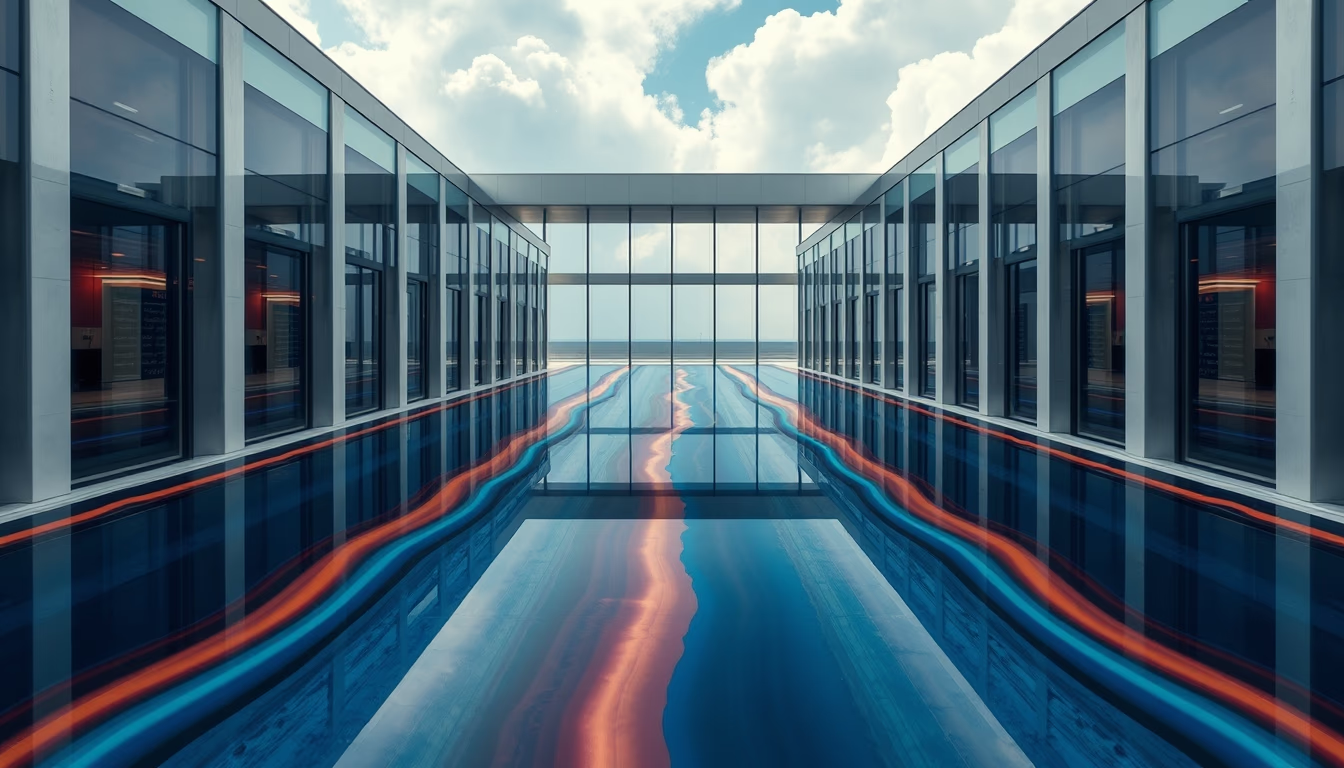
Metallic chrome reflection
1344×768 · AVIF · CC BY 4.0

Chrome metallic reflections create abstract light and shadow patterns, explored in commercial photography to convey modernity and sophistication.
About this subject
Chrome is a transition metal known for its high luster and corrosion resistance. When polished, it reflects light intensely and distorted, generating brightness gradients and high-contrast zones. In abstract photography, chrome surfaces are used to produce non-figurative compositions, where the reflection of the surrounding environment is fragmented into geometric shapes and curved lines. This technique is common in product photography for technology, automobiles, and appliances, as the metallic shine associates with innovation and superior quality.
Capturing chrome reflections requires precise lighting control. Diffuse light sources, such as softboxes, soften reflections, while point reflectors create sharp highlights. The camera angle relative to the surface determines the visual pattern: shallow angles emphasize ripples, while perpendicular angles reveal symmetries. The texture of chrome, even when seemingly smooth, contains micro-imperfections that contribute to the uniqueness of each reflection.
In contemporary design, chrome is a recurring aesthetic element found in logos, packaging, and digital interfaces. Its ability to mirror the surroundings creates a sense of depth and dynamism. In advertising photography, chrome reflection highlights product purity, suggesting cleanliness and precision. Brands of perfumes, beverages, and electronics often employ this resource to evoke exclusivity.
Interestingly, the industrial production of polished chrome involves electrochemical processes that deposit a thin layer of the metal onto a base material. This film, only a few micrometers thick, is responsible for the mirror effect. In still-life photography, chrome surfaces are frequently combined with organic textures to create striking visual contrasts.
Frequently Asked Questions
How to avoid unwanted reflections when photographing chrome surfaces?
Use diffused light and controlled angles. Position softboxes or LED diffuser panels to soften glare. Polarizers can also reduce specular reflections.
Why is chrome so commonly used in product photography?
Because its intense shine conveys sophistication, modernity, and quality. The chrome reflection draws consumer attention and creates a perception of high value.
What are abstract patterns on chrome surfaces?
They are non-figurative shapes generated by the distorted reflection of the environment. Depending on the curvature and texture of the chrome, fluid lines, ripples, and gradients reminiscent of abstract paintings can appear.
Direct URL
https://pub-c7d6a6ea828543ac903a74a341ccb2e1.r2.dev/imagens/metallic-chrome-reflection-commercial-product-photography-p2.avifHow to credit
Include a visible link back to UtilizAí. Copy one of the snippets below:
<a href="https://xn--utiliza-eza.com/en/midia/imagens/metallic-chrome-reflection-commercial-product-photography-p2">Metallic chrome reflection</a> by <a href="https://xn--utiliza-eza.com">UtilizAí</a>, licensed under <a href="https://creativecommons.org/licenses/by/4.0/">CC BY 4.0</a>.
[Metallic chrome reflection](https://xn--utiliza-eza.com/en/midia/imagens/metallic-chrome-reflection-commercial-product-photography-p2) by [UtilizAí](https://xn--utiliza-eza.com), CC BY 4.0
License: CC-BY-4.0