Memory foam pillow
1344×768 · AVIF · CC BY 4.0
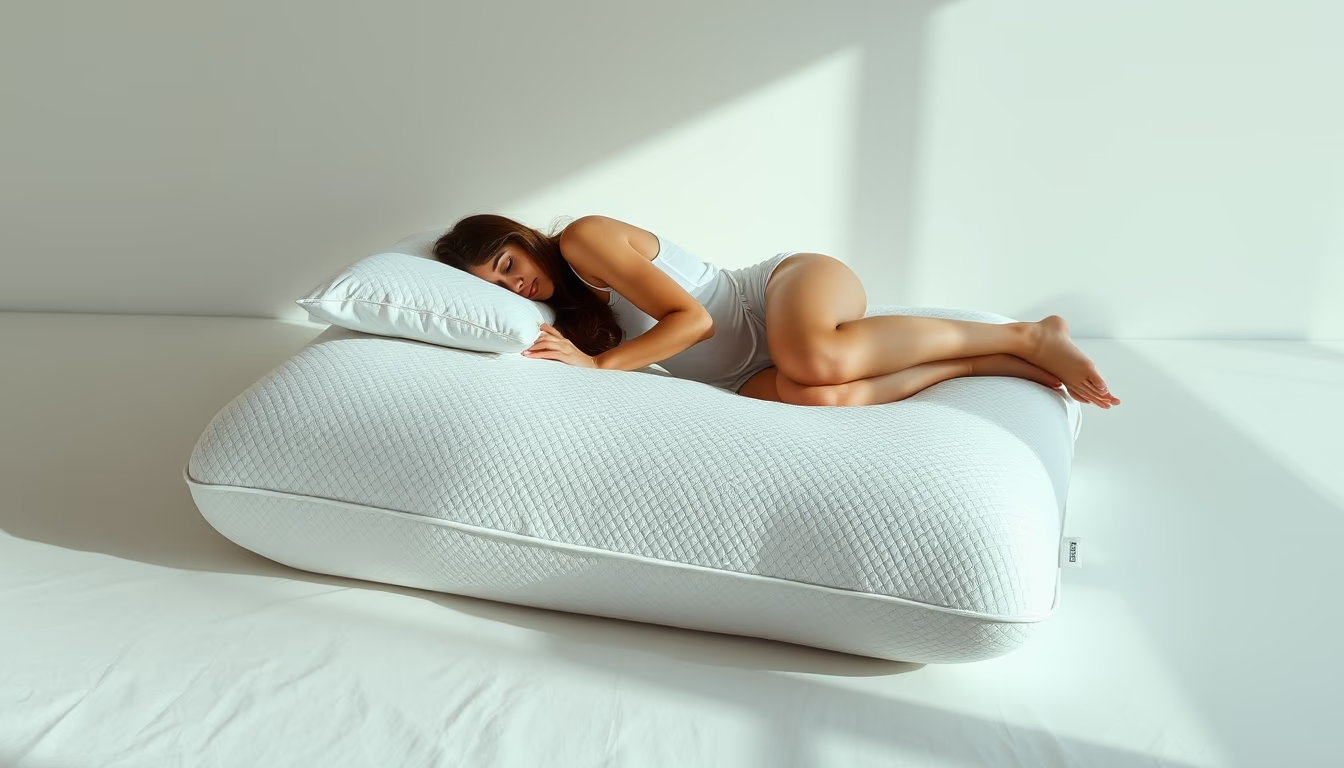
Memory foam pillows are known for molding to the contours of the head and neck, providing customized support and pressure relief during sleep.
About this subject
Memory foam pillows are made from viscoelastic polyurethane foam, a material originally developed by NASA in the 1960s to cushion astronauts during liftoff. The foam is sensitive to heat and pressure: it softens where it contacts the body and slowly returns to its original shape once the pressure is removed. This property allows the pillow to mold precisely to the curves of the head and neck, distributing weight evenly and reducing pressure points.
Available in various densities and firmness levels, memory foam pillows cater to different sleeping positions. Side sleepers often benefit from thicker, firmer pillows to fill the gap between the neck and mattress, while back and stomach sleepers usually prefer lower loft options. Many modern memory foam pillows incorporate cooling technologies, such as gel infusions or open-cell structures, to mitigate heat retention, a common complaint about traditional memory foam.
First-time users may notice a distinct odor when the pillow is unpacked, known as off-gassing. This is typical of many foam products and dissipates within a few days with proper airing. Memory foam pillows typically last between 18 and 36 months, depending on quality and usage. Using a protective cover and washing the pillowcase regularly can extend their lifespan.
Since entering the consumer market in the 1990s, memory foam pillows have become a global sleep accessory. They are often recommended by chiropractors and physical therapists for individuals with neck pain, snoring issues, or those seeking improved spinal alignment during sleep.
Frequently Asked Questions
How do I clean a memory foam pillow?
Most memory foam pillows are not machine washable. Spot clean with a damp cloth and mild soap, rinse with another damp cloth, and let it air dry completely out of direct sunlight. Always check the manufacturer's label.
What is the difference between memory foam and regular foam?
Memory foam is viscoelastic: it conforms to the body with heat and slowly returns to shape, offering pressure relief. Regular foam is more resilient and does not contour as much, providing less customized support.
Are memory foam pillows good for allergies?
Yes, because the dense material resists dust mites and mold, provided it is kept dry and clean. However, using a hypoallergenic cover helps prevent allergen buildup on the surface.
Direct URL
https://pub-c7d6a6ea828543ac903a74a341ccb2e1.r2.dev/imagens/memory-foam-pillow-minimalist-composition-fresh14.avifHow to credit
Include a visible link back to UtilizAí. Copy one of the snippets below:
<a href="https://xn--utiliza-eza.com/en/midia/imagens/memory-foam-pillow-minimalist-composition-fresh14">Memory foam pillow</a> by <a href="https://xn--utiliza-eza.com">UtilizAí</a>, licensed under <a href="https://creativecommons.org/licenses/by/4.0/">CC BY 4.0</a>.
[Memory foam pillow](https://xn--utiliza-eza.com/en/midia/imagens/memory-foam-pillow-minimalist-composition-fresh14) by [UtilizAí](https://xn--utiliza-eza.com), CC BY 4.0
License: CC-BY-4.0