Memory foam pillow
1344×768 · AVIF · CC BY 4.0
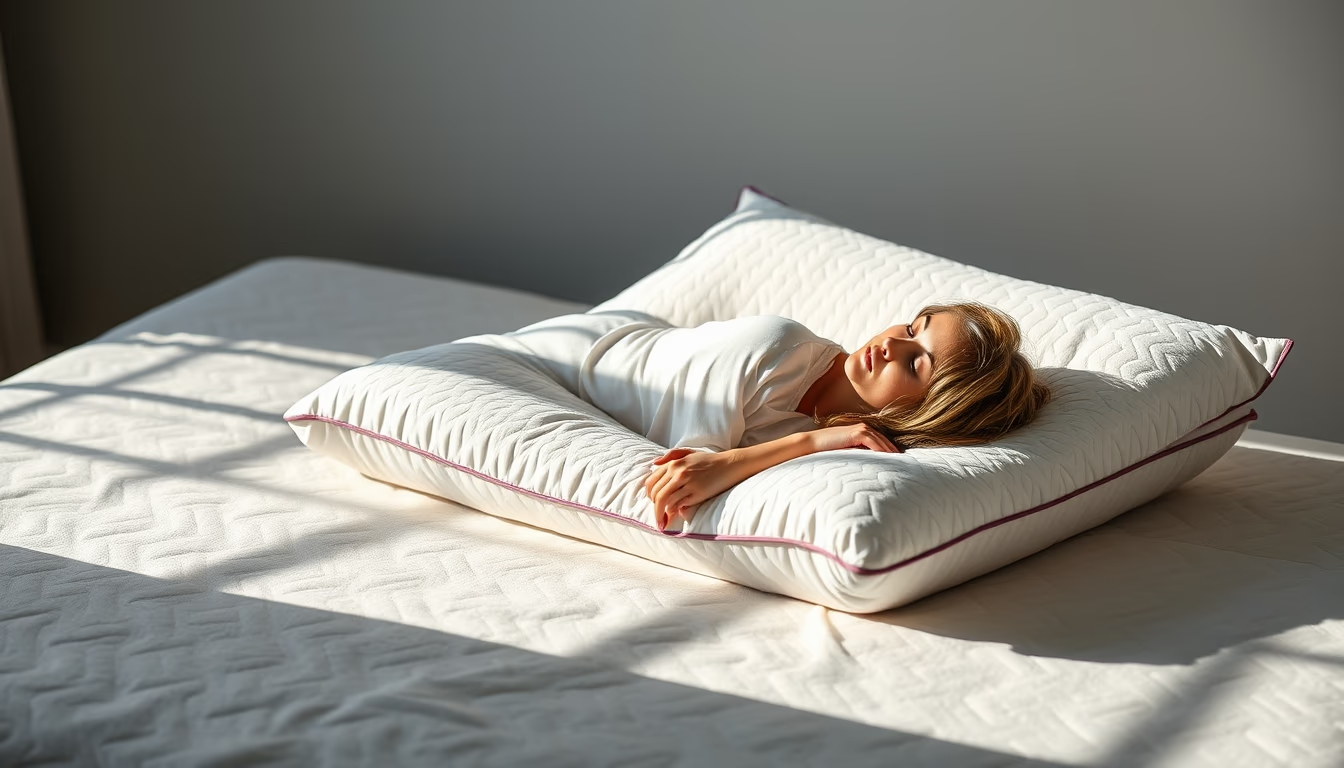
Memory foam pillows, made from viscoelastic polyurethane, provide personalized support and pressure relief by conforming to the head and neck contours during sleep.
About this subject
Originally developed by NASA in the 1960s to cushion pilots during takeoff, memory foam is a viscoelastic material that responds to heat and body weight. When used in pillows, it gradually molds to the shape of the head and neck, evenly distributing weight and reducing pressure points. This makes it especially recommended for people with neck pain, tension headaches, or side sleepers, as it helps maintain spinal alignment.
In Brazil, memory foam pillows gained popularity in the early 2000s, driven by orthopedic campaigns and the arrival of international brands. Unlike traditional feather or fiber pillows, memory foam does not flatten easily and can last 3 to 5 years with proper care. Density varies: higher density offers more support, while lower density is softer. It's crucial to choose height and firmness based on sleeping position, higher pillows for side sleepers, medium for back sleepers, and low for stomach sleepers.
A notable characteristic is that memory foam is temperature-sensitive: it becomes firmer in cold environments and softer in warm ones. To mitigate this, many manufacturers add gel infusions or activated charcoal to regulate temperature and prevent heat buildup. Most viscoelastic pillows are not machine washable; they require protective covers and spot cleaning. A well-chosen memory foam pillow can significantly improve sleep quality and prevent morning stiffness, especially when paired with a suitable mattress.
Frequently Asked Questions
What is the difference between a memory foam pillow and a regular foam pillow?
Memory foam is a viscoelastic material that molds to heat and body weight, slowly returning to its original shape. Regular polyurethane foam is more elastic and does not offer the same pressure relief and adaptive support.
How do you clean a memory foam pillow?
Never machine wash or fully submerge it. Remove the cover (if washable) and wash separately. For the foam, spot clean with a damp cloth and mild soap, then air dry in shade. Use a protective cover to prolong its life.
Is a memory foam pillow good for neck pain?
Yes, it is often recommended by orthopedists for neck pain because it maintains spinal alignment and reduces pressure points. However, choosing the correct height and firmness based on sleeping position (side, back, or stomach) is essential.
Direct URL
https://pub-c7d6a6ea828543ac903a74a341ccb2e1.r2.dev/imagens/memory-foam-pillow-magazine-editorial-fresh16.avifHow to credit
Include a visible link back to UtilizAí. Copy one of the snippets below:
<a href="https://xn--utiliza-eza.com/en/midia/imagens/memory-foam-pillow-magazine-editorial-fresh16">Memory foam pillow</a> by <a href="https://xn--utiliza-eza.com">UtilizAí</a>, licensed under <a href="https://creativecommons.org/licenses/by/4.0/">CC BY 4.0</a>.
[Memory foam pillow](https://xn--utiliza-eza.com/en/midia/imagens/memory-foam-pillow-magazine-editorial-fresh16) by [UtilizAí](https://xn--utiliza-eza.com), CC BY 4.0
License: CC-BY-4.0