Meeting room glass
1344×768 · AVIF · CC BY 4.0
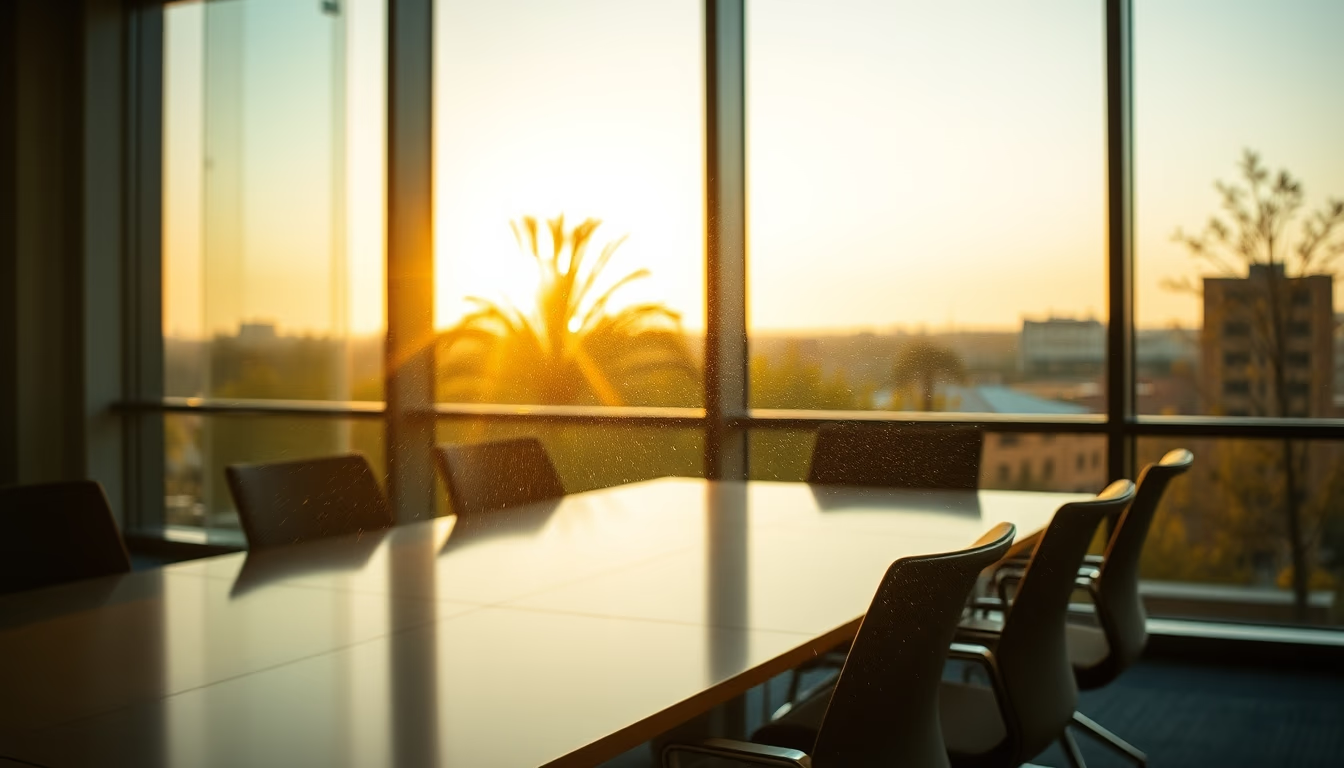
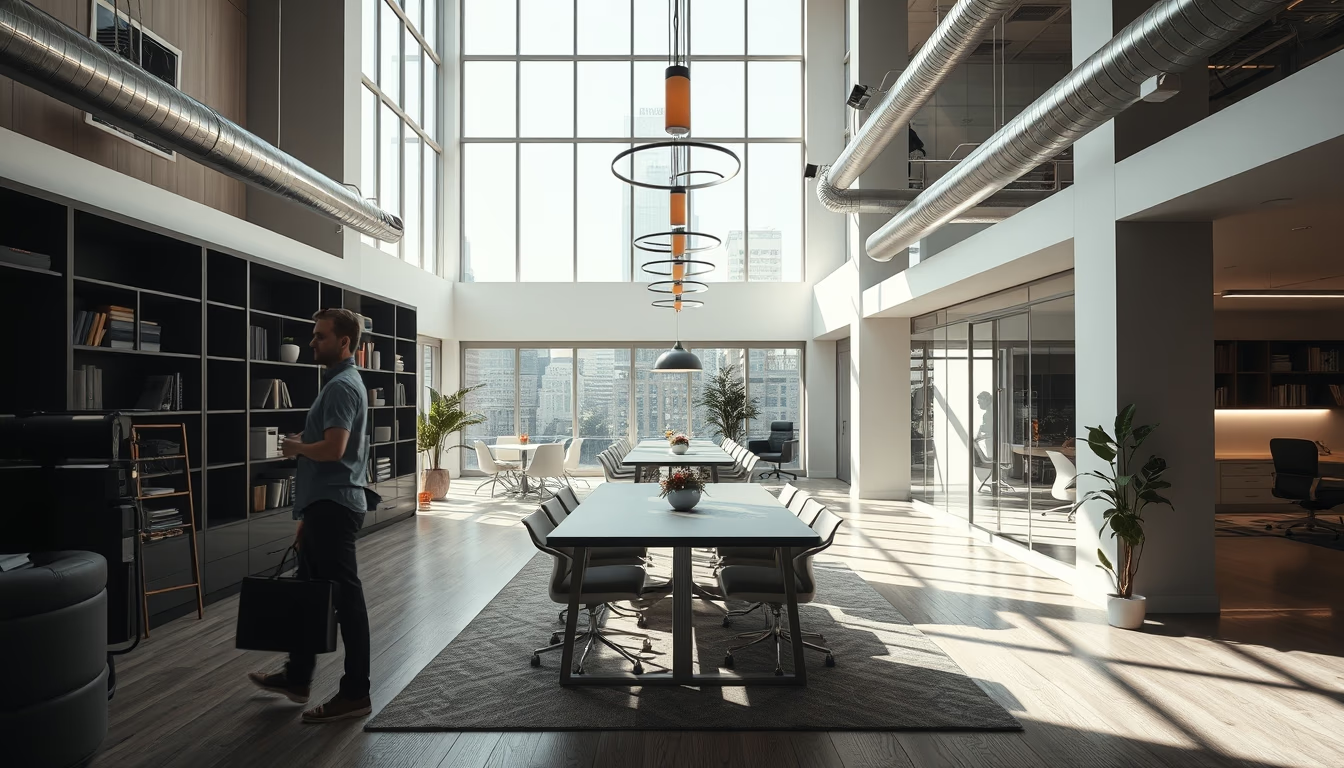
Glass meeting rooms are a hallmark of modern offices, combining visual transparency, acoustic comfort, and sustainable design.
About this subject
Glass-walled meeting rooms have become a central feature in contemporary corporate architecture. Originating from the open-office movement of the early 2000s, these rooms aim to balance privacy needs with visual collaboration. The glass used is typically laminated or tempered, with acoustic treatments that reduce noise by up to 40 dB, ensuring confidential conversations without complete isolation. Global companies like Google and Microsoft have adopted this model in their campuses, and a 2025 study indicated that 68% of new office projects in the United States include at least one glass meeting room.
From a technical perspective, the glass can receive low-emissivity coatings for thermal control or electrochromic films that turn opaque on demand, addressing momentary privacy concerns. Maintenance is simple but requires care: specific glass cleaners prevent stains and ensure lasting transparency. Moreover, the natural light filtered through these walls contributes to energy savings, aligning with certifications such as LEED.
Culturally, the glass room represents a shift in management: previously, closed meetings in opaque rooms symbolized hierarchy; today, visual transparency fosters trust and participation. However, critics point out the panopticon effect, which can cause employee anxiety. The solution has been the adoption of privacy glass with adjustable opacity, allowing control over visual exposure.
Globally, the trend is strong in Asia, especially in Singapore and Japan, where space is scarce and natural light is valued. In Brazil, corporate buildings in São Paulo and Rio de Janeiro already incorporate such rooms, often combining glass with wood elements to soften the material's coldness. The design prioritizes visual integration with common areas, creating environments that flow without physical barriers but with functional boundaries.
Frequently Asked Questions
Do glass walls ensure acoustic privacy for meetings?
Yes, provided the glass is laminated with acoustic film and the joints are sealed. Double-glazed models can reduce noise by up to 40 dB, equivalent to a standard drywall partition.
How is the cleaning and maintenance of glass rooms done?
Specific glass cleaners, such as alcohol or vinegar-based solutions, and microfiber cloths are used. Abrasives are avoided. Maintenance includes checking seals and electrochromic systems if present.
Are these rooms suitable for confidential meetings?
Yes, with glass that has adjustable opacity (smart glass) or internal blinds. Acoustics are also controlled, making them viable for sensitive discussions.
Direct URL
https://pub-c7d6a6ea828543ac903a74a341ccb2e1.r2.dev/imagens/meeting-room-glass-travel-photography-p5.avifHow to credit
Include a visible link back to UtilizAí. Copy one of the snippets below:
<a href="https://xn--utiliza-eza.com/en/midia/imagens/meeting-room-glass-travel-photography-p5">Meeting room glass</a> by <a href="https://xn--utiliza-eza.com">UtilizAí</a>, licensed under <a href="https://creativecommons.org/licenses/by/4.0/">CC BY 4.0</a>.
[Meeting room glass](https://xn--utiliza-eza.com/en/midia/imagens/meeting-room-glass-travel-photography-p5) by [UtilizAí](https://xn--utiliza-eza.com), CC BY 4.0
License: CC-BY-4.0