Mediterranean olive plantation aerial
1344×768 · AVIF · CC BY 4.0
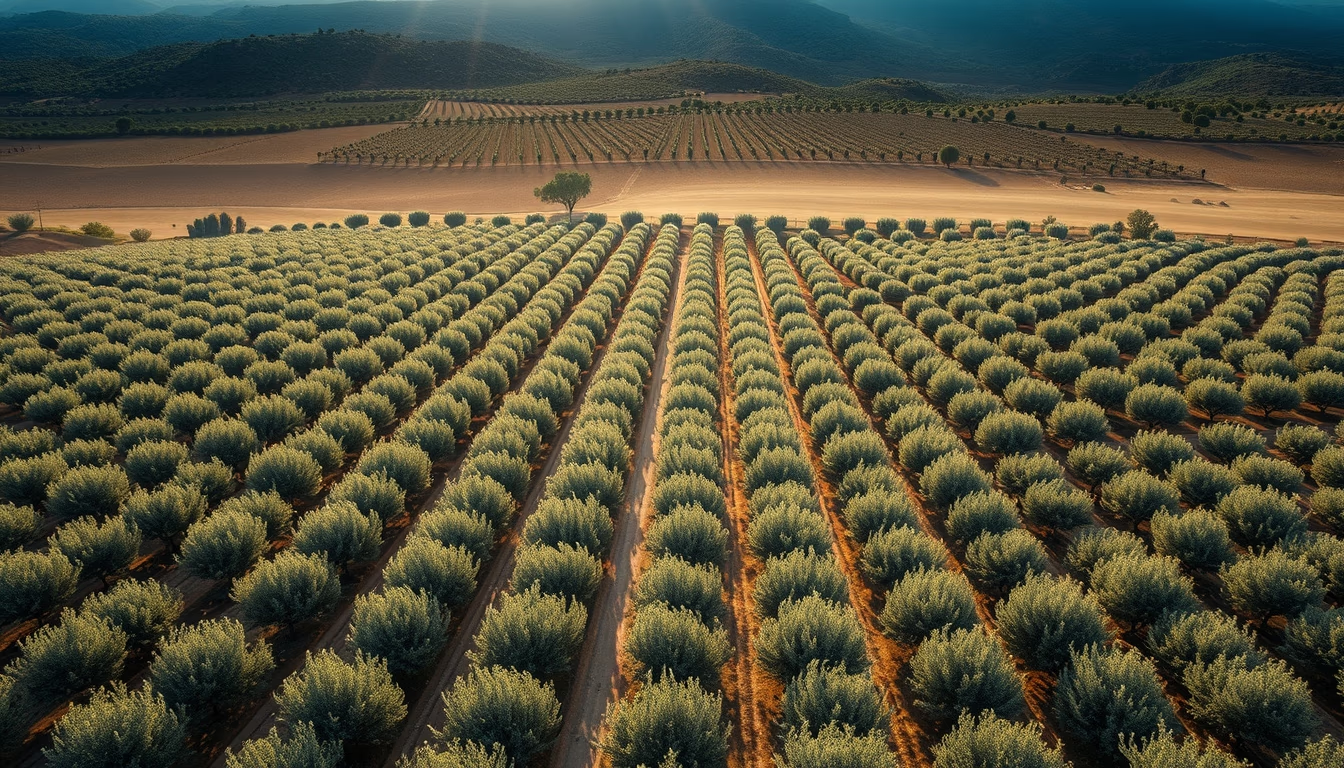
Olive plantations in the Mediterranean create iconic landscapes blending ancient tradition and sustainable agriculture.
About this subject
Olive trees (Olea europaea) have been cultivated in the Mediterranean region for over 8,000 years, with archaeological evidence of olive oil production dating to the Bronze Age. Countries like Spain, Italy, Greece, and Portugal dominate global olive production, with Spain accounting for about 40% of the world's olive oil. The Mediterranean climate, mild, wet winters and hot, dry summers, is perfect for olives, which require little water and thrive in rocky soils.
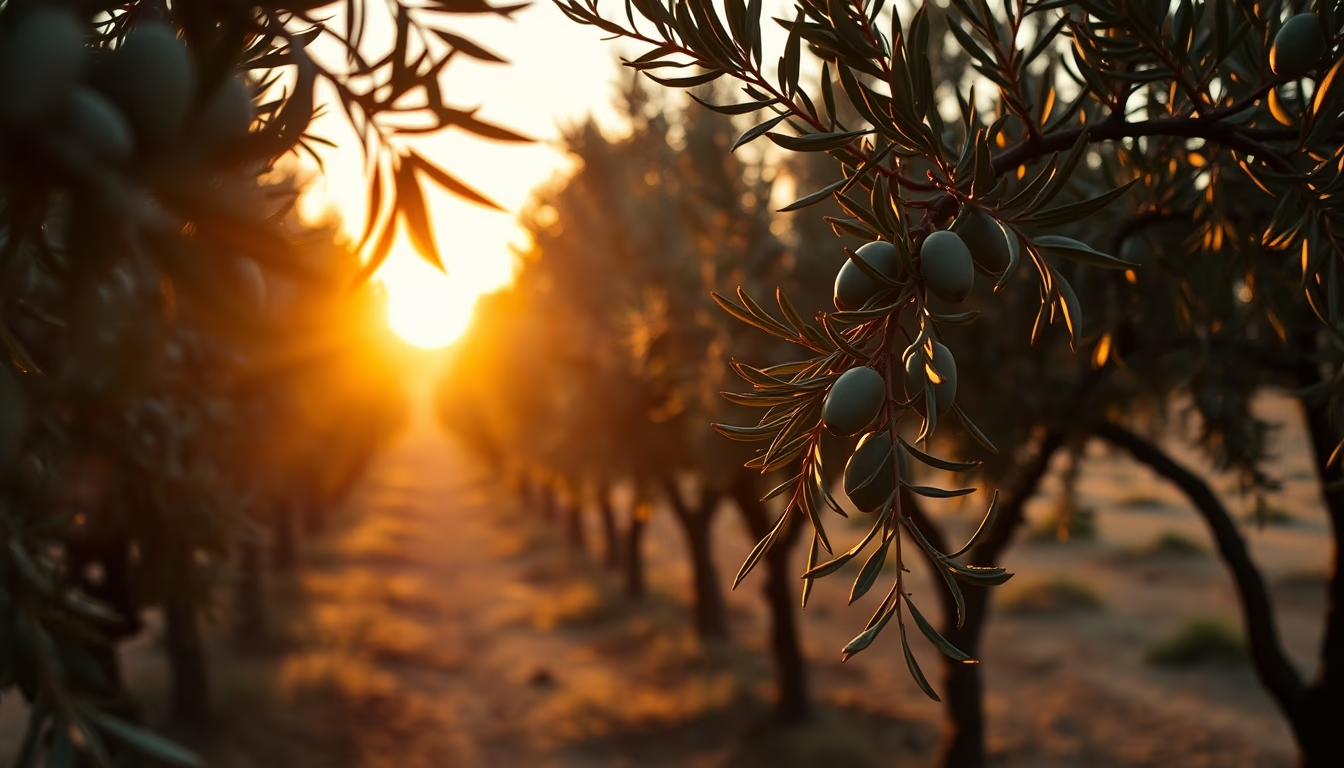
Each olive tree can live for centuries, and some specimens in Greece and Portugal exceed 1,000 years, such as the Oliveira do Mouchão in Portugal, estimated at over 3,000 years old. Plantations are typically arranged in equidistant rows to facilitate harvesting, which can be done manually (using poles and nets) or mechanically with trunk shakers. Hand-picking is more traditional and preserves fruit quality but requires more labor.
Extra virgin olive oil is a cornerstone of the Mediterranean diet, renowned for its cardiovascular benefits and high antioxidant content. Beyond gastronomy, olive groves attract tourists along olive oil routes in regions like Andalusia (Spain) and Tuscany (Italy), where ancient mills can be visited. An aerial view of these plantations reveals geometric patterns shaped by centuries of agricultural wisdom and respect for the local ecosystem.
Frequently Asked Questions
How old can an olive tree live?
Olive trees can live for centuries, with millennium-old specimens in Portugal and Greece. The oldest known is the Oliveira do Mouchão, estimated at 3,000 years.
Which country is the largest olive oil producer?
Spain leads global production, accounting for about 40% of the world's olive oil, followed by Italy, Greece, and Portugal.
Why are olive trees planted in regular rows?
Equidistant rows facilitate mechanical harvesting, irrigation, and orchard management, optimizing yield.
Direct URL
https://pub-c7d6a6ea828543ac903a74a341ccb2e1.r2.dev/imagens/mediterranean-olive-plantation-aerial-fine-art-photography-p3.avifHow to credit
Include a visible link back to UtilizAí. Copy one of the snippets below:
<a href="https://xn--utiliza-eza.com/en/midia/imagens/mediterranean-olive-plantation-aerial-fine-art-photography-p3">Mediterranean olive plantation aerial</a> by <a href="https://xn--utiliza-eza.com">UtilizAí</a>, licensed under <a href="https://creativecommons.org/licenses/by/4.0/">CC BY 4.0</a>.
[Mediterranean olive plantation aerial](https://xn--utiliza-eza.com/en/midia/imagens/mediterranean-olive-plantation-aerial-fine-art-photography-p3) by [UtilizAí](https://xn--utiliza-eza.com), CC BY 4.0
License: CC-BY-4.0