Mediterranean olive plantation aerial
1344×768 · AVIF · CC BY 4.0

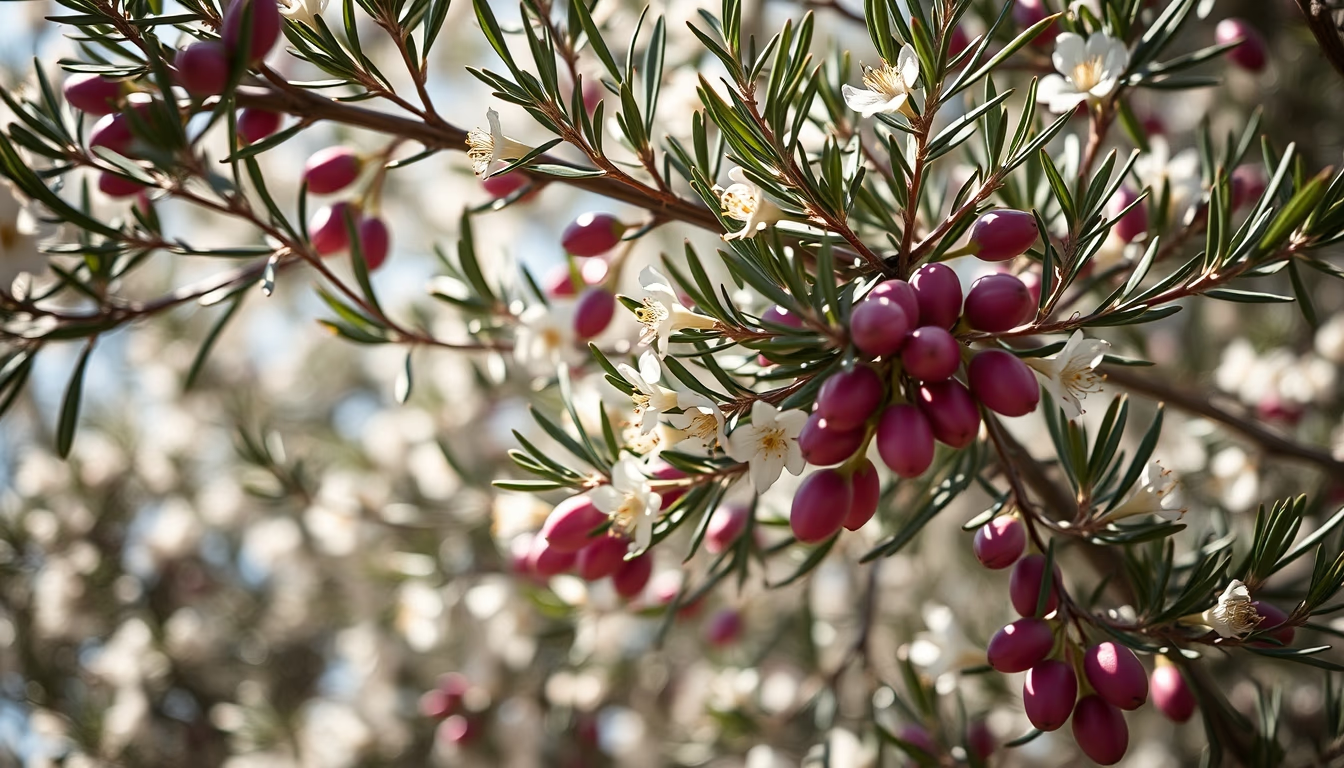
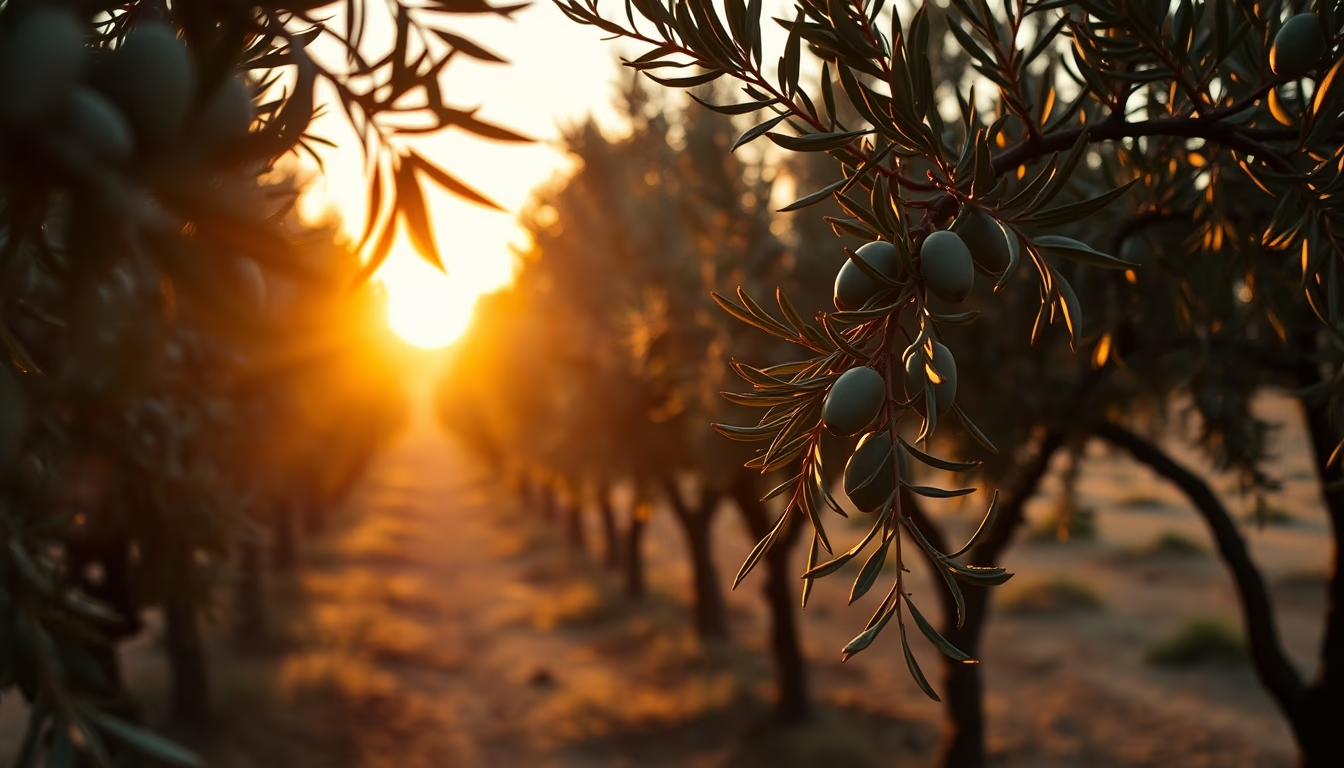
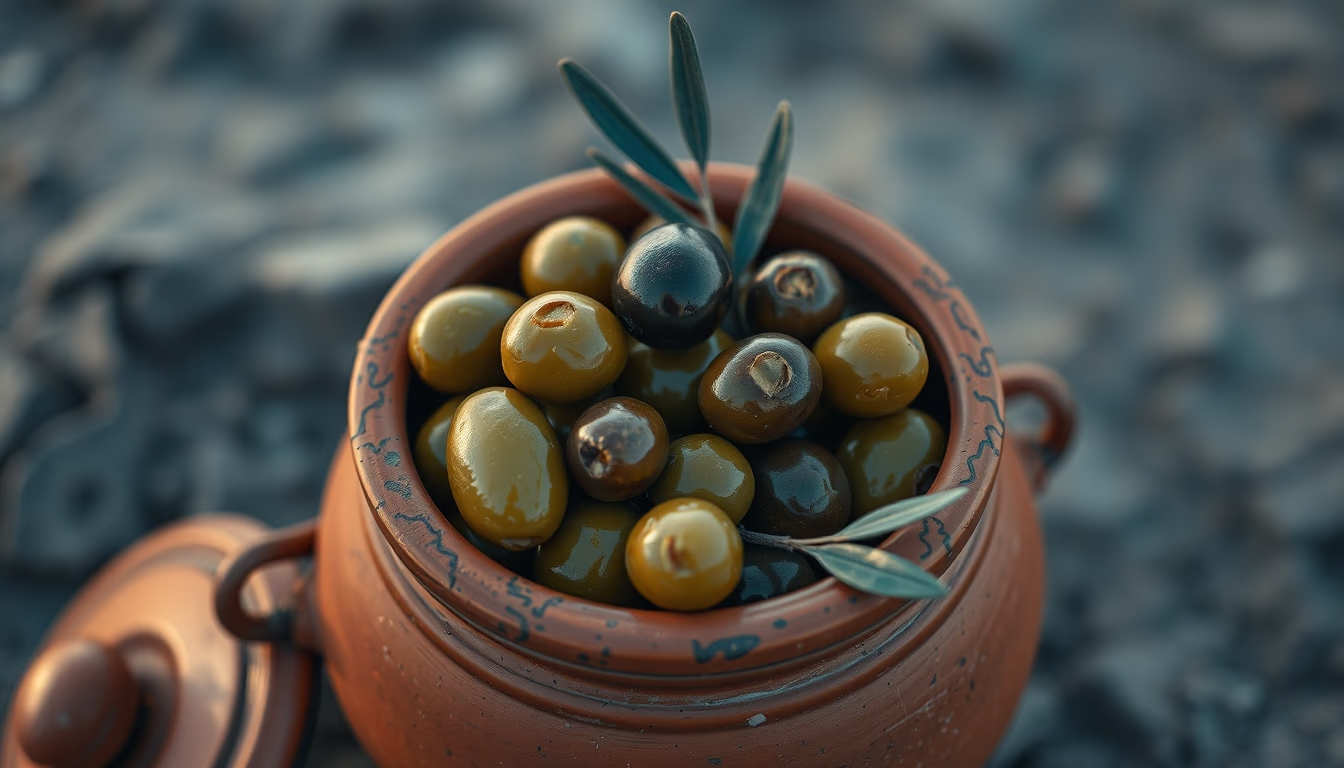
Olive trees cultivated on vast Mediterranean terraces form iconic landscapes blending millennia-old tradition and sustainable agricultural practices.
About this subject
Olive cultivation in the Mediterranean region dates back over 6,000 years, with archaeological evidence in Greece, Italy, and the Middle East. The olive tree (Olea europaea) is a perennial adapted to semi-arid climates, poor soils, and hot dry summers, typical of the Mediterranean. Terrace plantations, visible in aerial photographs, are an ancient technique to maximize rainwater use and prevent soil erosion, especially in mountainous areas such as Andalusia (Spain), Tuscany (Italy), and the Greek islands.
Today, Spain is the world's largest olive oil producer, accounting for about 40% of global production, followed by Italy, Greece, Portugal, and Tunisia. Olive trees can live for centuries; some in the Mediterranean are over 2,000 years old, such as the Vouves olive trees in Crete. Harvesting occurs between October and February, depending on variety and destination (oil or table olives). Olives are processed to extract oil, a staple of the Mediterranean diet, recognized for cardiovascular health benefits.
The landscape of olive plantations is marked by symmetrical rows and regular spacing to optimize sunlight exposure and mechanization. In regions like Andalusia, intensive cultivation on large estates contrasts with the small family groves of Greece. Olive farming faces challenges such as climate change, altering rainfall patterns and increasing pest incidence, and sustainability pressures, with practices like organic farming and use of by-products (pomace) for energy generation.
Commercial classification of olives varies by country: in the European Union, protected designation of origin (PDO) labels exist for oils from specific regions, such as Azeite de Oliveira do Alentejo (Portugal) or Chianti Classico (Italy). Olive biodiversity is immense, with over 1,200 cataloged varieties worldwide, each with a unique sensory profile of flavor and aroma influenced by local terroir.
Frequently Asked Questions
What is the main difference between extra virgin and virgin olive oil?
Extra virgin olive oil has a maximum acidity of 0.8% and is obtained by cold mechanical processes without refining. Virgin olive oil has acidity up to 2% but still retains superior sensory characteristics. Both are pure olive juice.
Why are olive trees planted on sloped terraces?
Terraces slow down rainwater runoff, increase soil infiltration, and prevent erosion, especially on mountainous terrain. They also facilitate both manual and mechanized tree management.
How many liters of olive oil are produced per olive tree per year?
A mature olive tree produces, on average, 15 to 50 kg of olives per year, resulting in 2 to 5 liters of extra virgin olive oil, depending on variety, climate, and cultivation practices. Century-old trees may yield less but with higher flavor concentration.
Direct URL
https://pub-c7d6a6ea828543ac903a74a341ccb2e1.r2.dev/imagens/mediterranean-olive-plantation-aerial-commercial-product-photography-p5.avifHow to credit
Include a visible link back to UtilizAí. Copy one of the snippets below:
<a href="https://xn--utiliza-eza.com/en/midia/imagens/mediterranean-olive-plantation-aerial-commercial-product-photography-p5">Mediterranean olive plantation aerial</a> by <a href="https://xn--utiliza-eza.com">UtilizAí</a>, licensed under <a href="https://creativecommons.org/licenses/by/4.0/">CC BY 4.0</a>.
[Mediterranean olive plantation aerial](https://xn--utiliza-eza.com/en/midia/imagens/mediterranean-olive-plantation-aerial-commercial-product-photography-p5) by [UtilizAí](https://xn--utiliza-eza.com), CC BY 4.0
License: CC-BY-4.0