Maya temple chichen
1344×768 · AVIF · CC BY 4.0
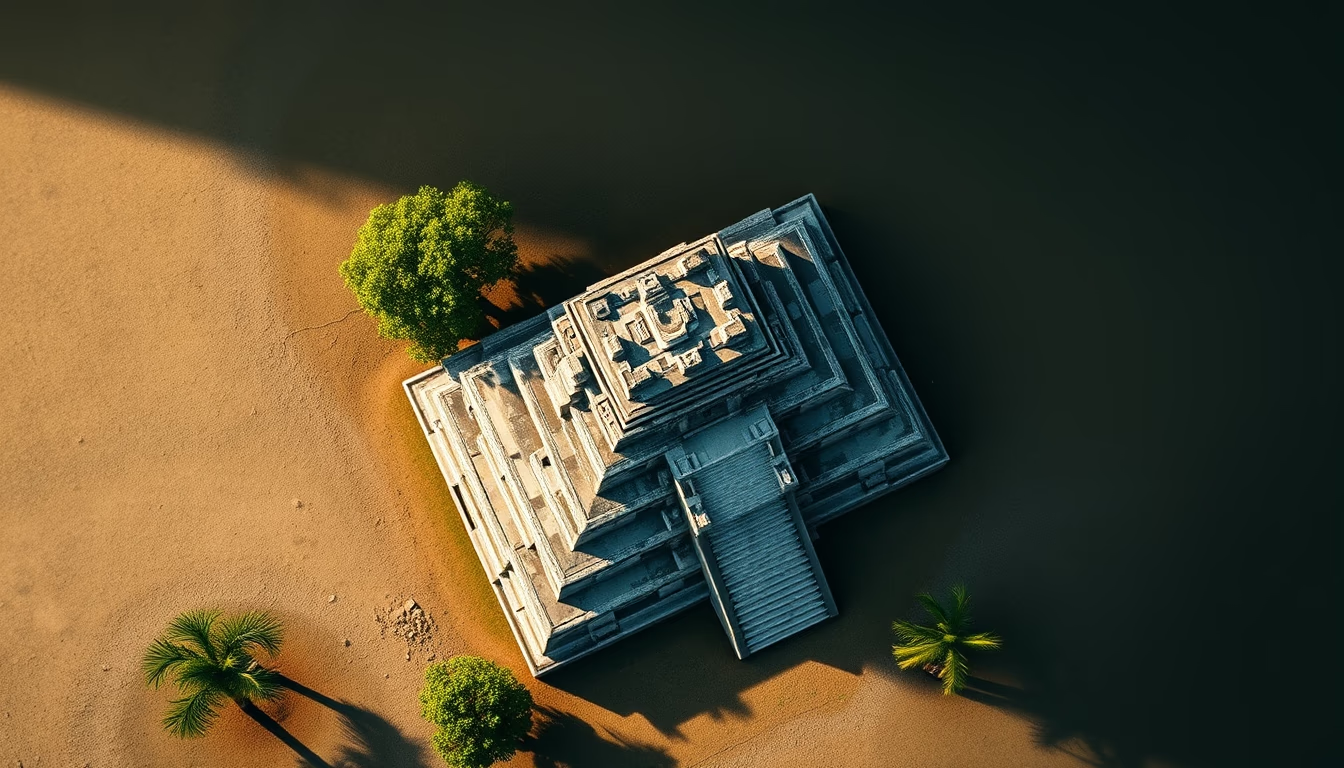
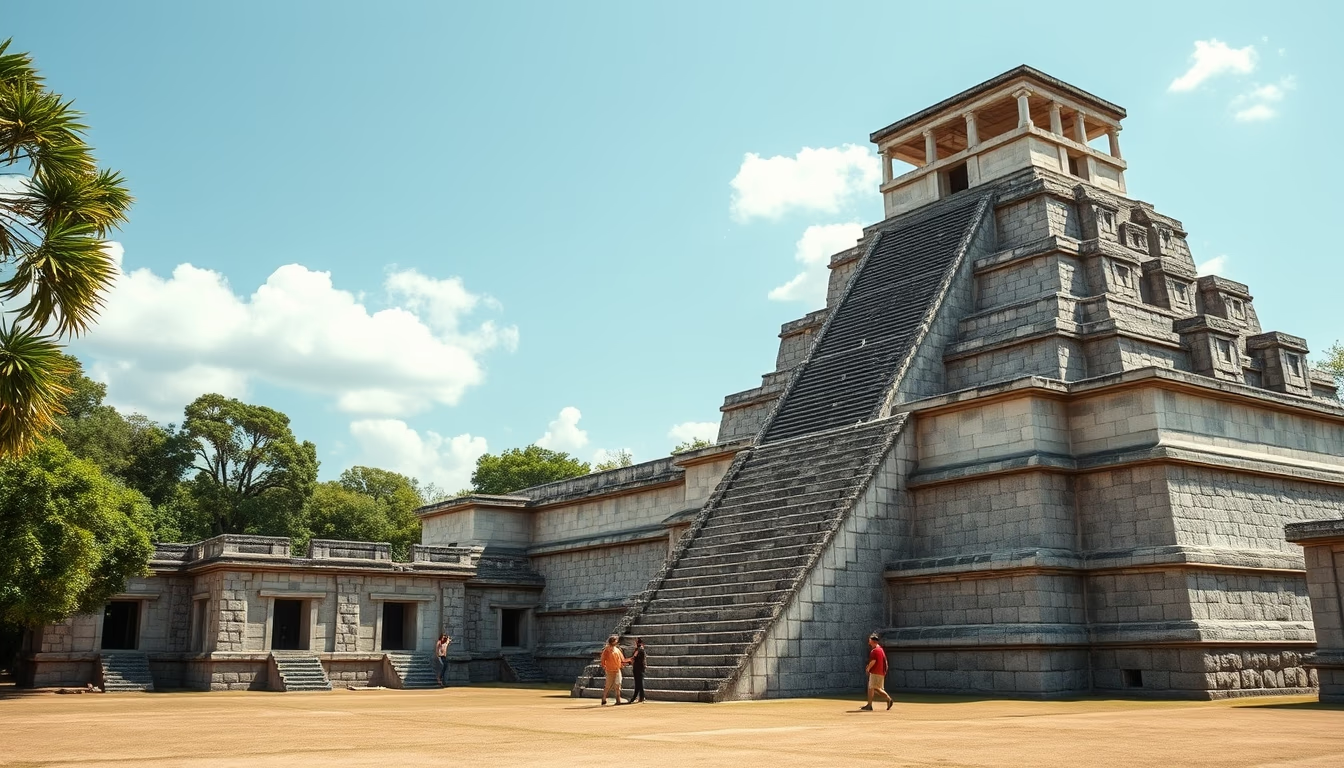
Chichen Itza, a Maya archaeological site in Yucatán, features the Pyramid of Kukulcán, a monument of astronomical and acoustic precision.
About this subject
Chichen Itza is one of the most iconic archaeological sites of the Maya civilization, located on the Yucatán Peninsula in Mexico. Occupied from the Late Classic to the Postclassic period (c. 600, 1200 AD), it flourished as a political, economic, and religious center. Its architecture blends Maya and Toltec styles, reflecting influence from the central Mexican highlands.
The central monument is the Pyramid of Kukulcán, also known as El Castillo. Standing 30 meters tall, it has four stairways of 91 steps each, totaling 364, plus the top platform, making 365, the number of days in the solar year. During the spring and fall equinoxes, the shadow cast forms the body of a serpent descending the north stairway, symbolizing the feathered serpent god Kukulcán. This phenomenon attracts thousands of visitors annually.
Beyond the pyramid, Chichen Itza features the Great Ball Court, the largest Mesoamerican ball court at 168 meters long. The Temple of the Warriors, with its imposing serpent-shaped columns, and the Sacred Cenote, a natural sinkhole used for ritual offerings, complete the site. It was declared a UNESCO World Heritage Site in 1988 and chosen as one of the New Seven Wonders of the Modern World in 2007.
Chichen Itza stands as a testament to Maya sophistication in mathematics, astronomy, and engineering. The site's acoustics allow a sound produced at the pyramid's top to be heard clearly hundreds of meters away. Ongoing research continues to reveal insights into the Maya worldview and their integration with the natural environment.
Frequently Asked Questions
Why does the Pyramid of Kukulcán have 365 steps?
The total number of steps (including the top platform) corresponds to the 365 days of the solar year, showcasing Maya astronomical knowledge.
What happens during the equinox at Chichen Itza?
During the equinox, the shadow of the pyramid's terraces projects a series of triangles forming the body of a serpent descending the staircase, symbolizing the god Kukulcán.
What is the significance of the Sacred Cenote?
The Sacred Cenote was a natural sinkhole used for sacrifices and offerings to rain and water deities, serving as a crucial ritual site in Maya culture.
Direct URL
https://pub-c7d6a6ea828543ac903a74a341ccb2e1.r2.dev/imagens/maya-temple-chichen-isometric-flat-lay-p3.avifHow to credit
Include a visible link back to UtilizAí. Copy one of the snippets below:
<a href="https://xn--utiliza-eza.com/en/midia/imagens/maya-temple-chichen-isometric-flat-lay-p3">Maya temple chichen</a> by <a href="https://xn--utiliza-eza.com">UtilizAí</a>, licensed under <a href="https://creativecommons.org/licenses/by/4.0/">CC BY 4.0</a>.
[Maya temple chichen](https://xn--utiliza-eza.com/en/midia/imagens/maya-temple-chichen-isometric-flat-lay-p3) by [UtilizAí](https://xn--utiliza-eza.com), CC BY 4.0
License: CC-BY-4.0