Martini olive vodka
1344×768 · AVIF · CC BY 4.0
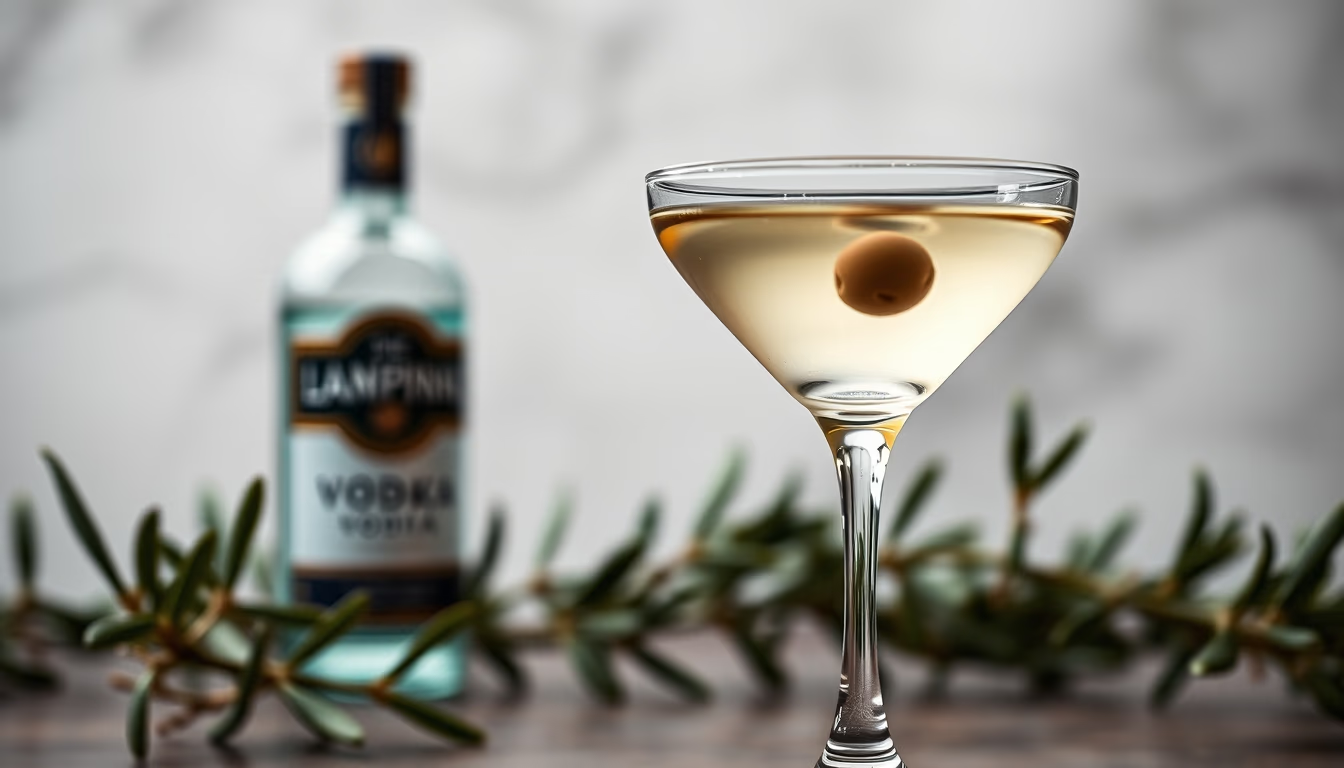
The vodka Martini with olives is one of the world's most iconic cocktails, a symbol of sophistication and bar culture.
About this subject
The Martini, originally made with gin and dry vermouth, gained its vodka version over the 20th century, especially after vodka's popularity surged in the United States. The classic recipe calls for proportions ranging from 2:1 to 5:1 (vodka:vermouth), depending on taste. The olive, usually green and stuffed with pimento, is not just a garnish: it adds a salty, oily touch that balances the vermouth's acidity and the vodka's purity.
Historically, the vodka Martini was immortalized by James Bond in the film "Casino Royale" (1953), with the famous request "shaken, not stirred." However, purists argue that shaking oxidizes the spirit and dilutes the ice more quickly. In fact, the preference for shaken or stirred divides bartenders: the shaken version results in a cloudier, more aerated drink, while the stirred one maintains a silky, transparent texture.
The type of olive also matters: green ones with pits or stuffed are most common, but black or Kalamata olives can be used for a more earthy profile. Some bartenders add a splash of brine to enhance the flavor. The ideal glass is the Martini glass (V-shape), which keeps the drink cold without warming from the hands.
Culturally, the vodka Martini represents post-war America, associated with executives, film noir, and timeless elegance. In Brazil, it has spawned variations such as the Martini with cachaça, but the classic vodka-and-olive version remains a style code in upscale bars in São Paulo and Rio de Janeiro.
Frequently Asked Questions
What is the ideal vodka-to-vermouth ratio for a Martini?
The classic ratio is 2 parts vodka to 1 part dry vermouth, but variations range from 3:1 to 5:1 for a drier drink. The key is to use quality vermouth and chill the ingredients.
Should I use olives with or without pits?
Both are acceptable, but pit-in olives better retain flavor and release less brine. Pimento-stuffed olives are traditional, but pitted olives work as well.
Why did James Bond ask for his Martini shaken, not stirred?
In fiction, it was a personal preference, but in reality shaking oxidizes the spirit and dilutes the ice more, resulting in a more aerated and slightly cloudy drink. Stirring preserves texture and avoids excessive dilution.
Direct URL
https://pub-c7d6a6ea828543ac903a74a341ccb2e1.r2.dev/imagens/martini-olive-vodka-documentary-nature-style-fresh11.avifHow to credit
Include a visible link back to UtilizAí. Copy one of the snippets below:
<a href="https://xn--utiliza-eza.com/en/midia/imagens/martini-olive-vodka-documentary-nature-style-fresh11">Martini olive vodka</a> by <a href="https://xn--utiliza-eza.com">UtilizAí</a>, licensed under <a href="https://creativecommons.org/licenses/by/4.0/">CC BY 4.0</a>.
[Martini olive vodka](https://xn--utiliza-eza.com/en/midia/imagens/martini-olive-vodka-documentary-nature-style-fresh11) by [UtilizAí](https://xn--utiliza-eza.com), CC BY 4.0
License: CC-BY-4.0