Mars surface red dust
1344×768 · AVIF · CC BY 4.0
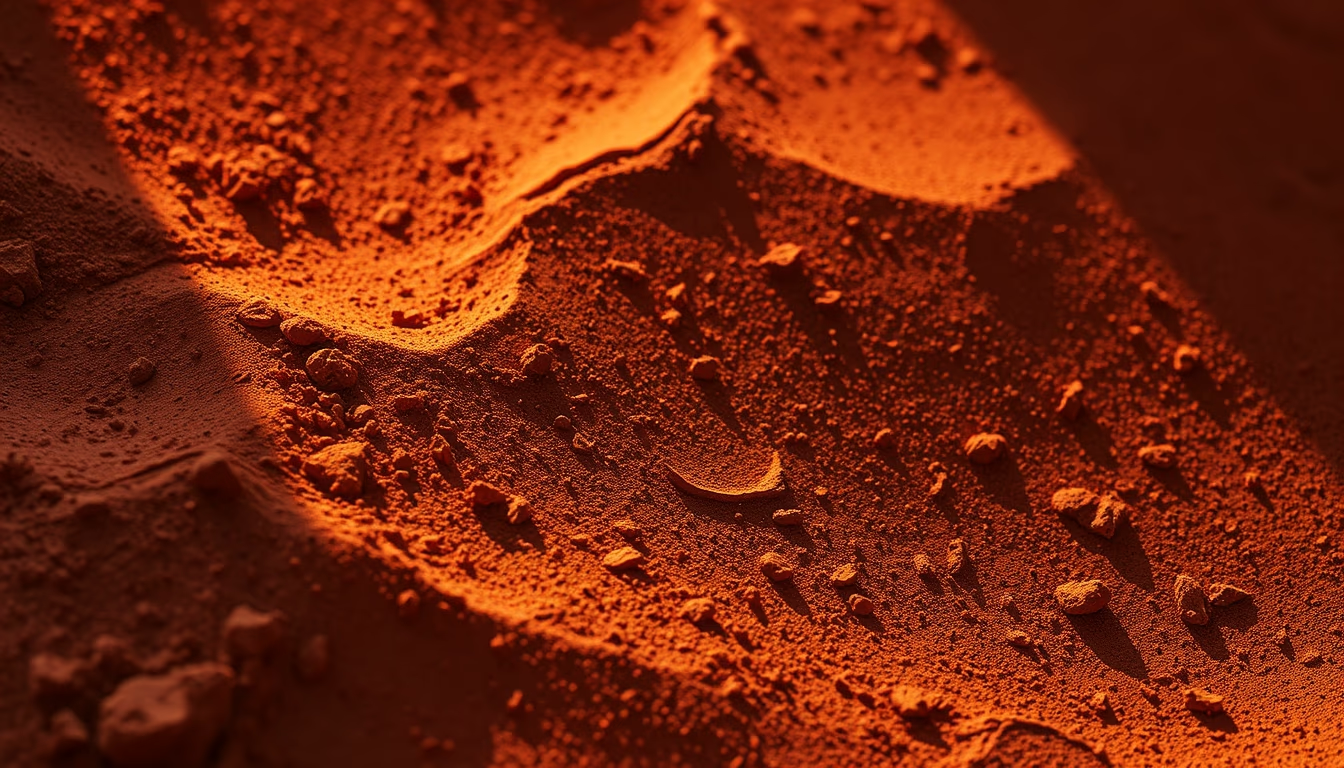
The surface of Mars is covered by a regolith rich in iron oxide, giving the planet its characteristic red color and influencing its geology and climate.
About this subject
The red color of Mars' surface results from iron oxide, primarily hematite and magnetite, which have oxidized over billions of years due to ultraviolet radiation exposure and the lack of a thick protective atmosphere. This fine dust, known as Martian regolith, covers plains, dunes, and craters, such as those in the Tharsis and Valles Marineris regions. Estimates indicate that the Martian crust contains up to 18% iron by mass, concentrated in minerals like olivine and pyroxene. Global dust storms, which can last for months, redistribute this material, temporarily altering the albedo and temperature of the planet. Missions like the Mars Reconnaissance Orbiter and the rovers Curiosity and Perseverance have analyzed the chemical composition of the dust, revealing perchlorates and other compounds that affect potential habitability. The study of regolith is essential for understanding Mars' geological history, including the transition from a wetter environment to today's cold, arid desert. Martian dust also poses a challenge for future crewed missions, as it can damage equipment and pose health risks to astronauts.
Frequently Asked Questions
Why is Mars red?
Mars appears red due to the presence of iron oxide, primarily hematite, on its surface. This compound formed from the oxidation of iron-rich minerals over billions of years.
What is the composition of Martian dust?
Martian dust is mainly composed of iron oxides, silica, aluminum, and calcium, along with perchlorates and other salts. It is very fine and can remain suspended in the atmosphere for long periods.
How do dust storms affect Mars?
Dust storms on Mars can envelop the entire planet, temporarily altering its temperature and albedo. They also influence atmospheric dynamics and can hinder rover operations and future crewed missions.
Direct URL
https://pub-c7d6a6ea828543ac903a74a341ccb2e1.r2.dev/imagens/mars-surface-red-dust-magazine-editorial-p10.avifHow to credit
Include a visible link back to UtilizAí. Copy one of the snippets below:
<a href="https://xn--utiliza-eza.com/en/midia/imagens/mars-surface-red-dust-magazine-editorial-p10">Mars surface red dust</a> by <a href="https://xn--utiliza-eza.com">UtilizAí</a>, licensed under <a href="https://creativecommons.org/licenses/by/4.0/">CC BY 4.0</a>.
[Mars surface red dust](https://xn--utiliza-eza.com/en/midia/imagens/mars-surface-red-dust-magazine-editorial-p10) by [UtilizAí](https://xn--utiliza-eza.com), CC BY 4.0
License: CC-BY-4.0