Manta ray swimming
1344×768 · AVIF · CC BY 4.0
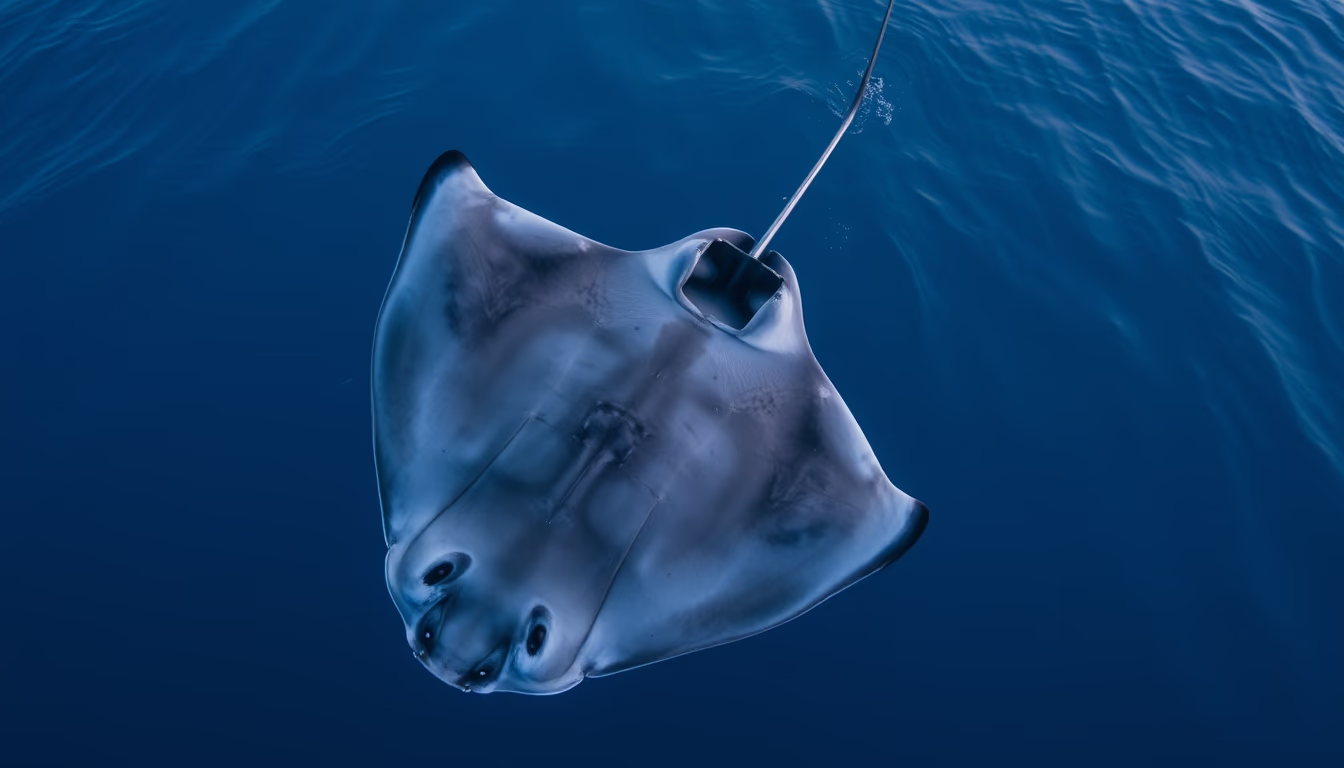
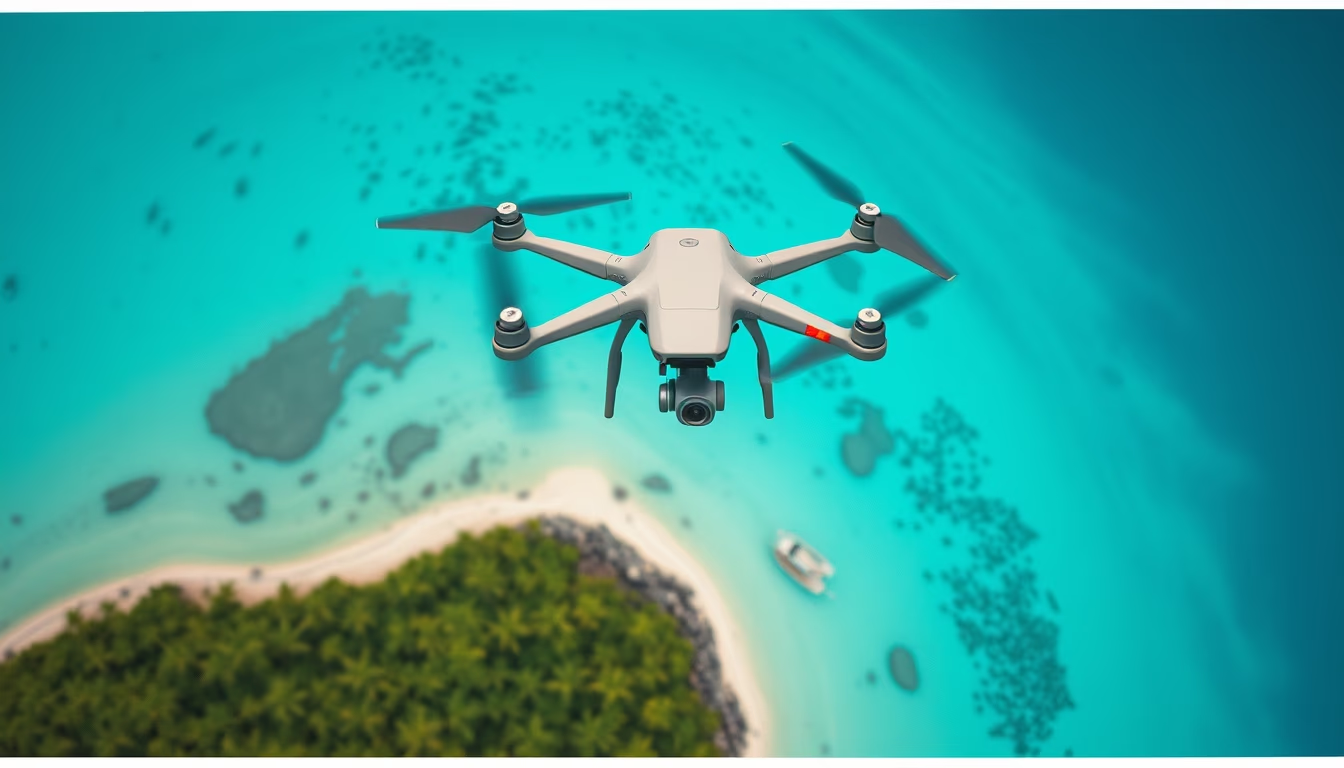
Large manta ray gliding through tropical waters, aerial view highlights its majestic body and migratory behavior.
About this subject
Manta rays (Manta birostris) are the largest members of the Mobulidae family, reaching up to 7 meters in wingspan and weighing over 1,300 kilograms. Unlike many fish, they are filter feeders: they open their mouths and pass water through specialized gill plates to capture plankton, krill, and small crustaceans. This feeding method makes them harmless to humans, though their size inspires awe.
These animals inhabit tropical and subtropical seas worldwide, with notable concentrations in the Revillagigedo Archipelago (Mexico), the coast of Mozambique, and Indonesia. They undertake long migrations, traveling hundreds of kilometers between feeding areas and cleaning stations, where cleaner fish remove parasites from their skin. Manta rays are known for acrobatic leaps out of the water, a behavior still poorly understood.
Reproduction is slow: females give birth to a single pup every two to three years after a gestation of 12 to 13 months. Pups are born with a wingspan of about 1.5 meters and are immediately independent. Unfortunately, the species is classified as Vulnerable by the IUCN, threatened by bycatch in gillnets, direct capture for the gill plate trade (used in traditional Asian medicine), and coastal habitat degradation. Marine protected areas and international regulations aim to reverse this decline.
Frequently Asked Questions
What is the largest recorded manta ray?
The largest officially recorded manta ray had a wingspan of approximately 7.6 meters, though unconfirmed reports mention even larger individuals. They can weigh up to 1,400 kg.
Where can manta rays commonly be seen in Brazil?
In Brazil, frequent sightings occur at Fernando de Noronha Archipelago, Atol das Rocas, and off the coast of São Paulo, especially in upwelling areas like Ilha do Arvoredo.
Are manta rays dangerous to divers?
No. Manta rays are completely harmless. They filter plankton and lack a venomous stinger. They are curious and may approach divers, but never attack.
Direct URL
https://pub-c7d6a6ea828543ac903a74a341ccb2e1.r2.dev/imagens/manta-ray-swimming-aerial-drone-shot-p2.avifHow to credit
Include a visible link back to UtilizAí. Copy one of the snippets below:
<a href="https://xn--utiliza-eza.com/en/midia/imagens/manta-ray-swimming-aerial-drone-shot-p2">Manta ray swimming</a> by <a href="https://xn--utiliza-eza.com">UtilizAí</a>, licensed under <a href="https://creativecommons.org/licenses/by/4.0/">CC BY 4.0</a>.
[Manta ray swimming](https://xn--utiliza-eza.com/en/midia/imagens/manta-ray-swimming-aerial-drone-shot-p2) by [UtilizAí](https://xn--utiliza-eza.com), CC BY 4.0
License: CC-BY-4.0