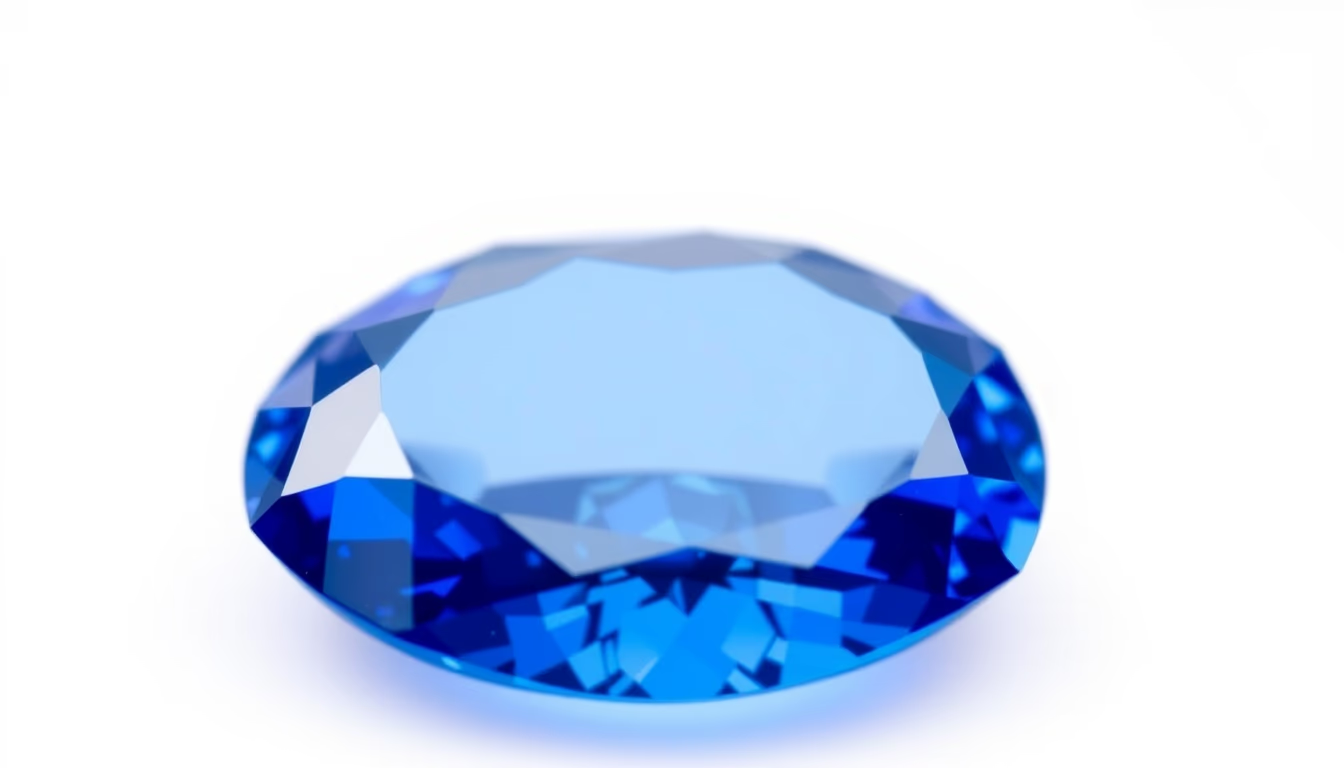
Malachite green pattern
1344×768 · AVIF · CC BY 4.0
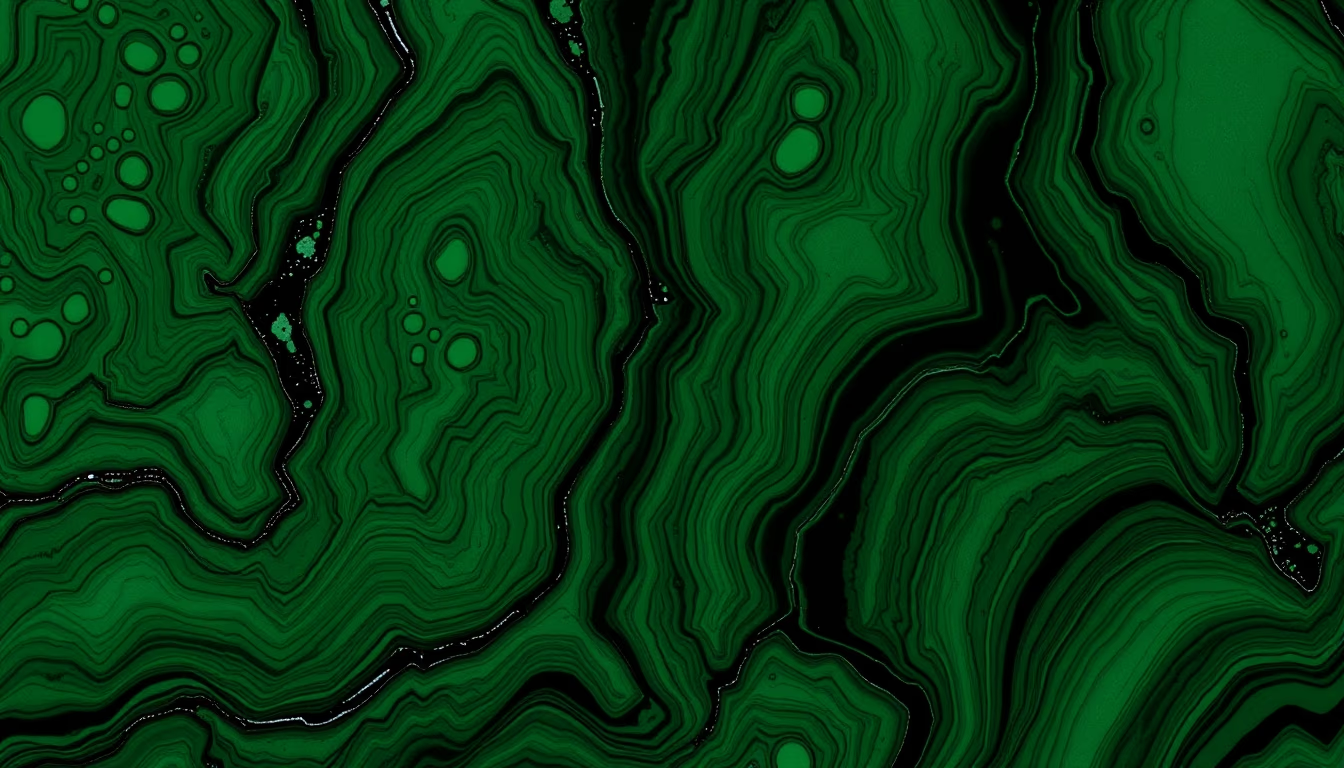
Malachite is a copper carbonate mineral with striking green tones, formed in oxidation zones of copper deposits and prized as an ornamental gemstone.
About this subject
Malachite is a hydrated copper carbonate mineral with the chemical formula Cu2CO3(OH)2. Its characteristic green color ranges from light green to deep dark green, often displaying concentric bands or arborescent patterns. This coloration comes from copper ions in its crystal structure. The mineral forms mainly in oxidation zones of copper deposits, where carbonate-rich waters react with primary copper minerals like chalcopyrite.
Historically, malachite has been used since ancient Egypt as a pigment for paintings and cosmetics, as well as carved into scarabs and amulets. In tsarist Russia, large blocks of malachite were used to veneer columns and halls in the Winter Palace. Today, it is widely used in jewelry, cut as cabochons, and in decorative objects. In Brazil, malachite is found in copper mines such as Carajás (Pará) and in Minas Gerais, extracted as a byproduct of copper mining.
Malachite has a hardness of 3.5 to 4 on the Mohs scale, making it relatively soft and easily scratched. It effervesces when in contact with acids, releasing carbon dioxide. As a secondary mineral, it is often associated with other copper minerals like azurite (blue) and chrysocolla. Due to its beauty and unique patterns, malachite is considered a semiprecious stone and highly valued by collectors.
Beyond ornamental use, malachite has historical importance in copper production, though today it is more relevant as a gemstone. Being sensitive to acids and heat, it requires special care in jewelry, such as avoiding chemical exposure and cleaning only with warm water and mild soap. Its concentric green bands are so distinctive that the term "malachite green" is used to describe similar shades in other contexts.
Frequently Asked Questions
What causes the green bands in malachite?
The concentric bands form from variations in copper concentration and precipitation rate during mineral growth, creating layers of different green shades.
Where is malachite found in Brazil?
In Brazil, malachite is mainly found in the Carajás region (Pará) and in Minas Gerais, associated with copper deposits.
Is malachite toxic?
Yes, because it contains copper, malachite can be toxic if ingested or if fine dust is inhaled. Therefore, it should not be sanded without proper protection.
Direct URL
https://pub-c7d6a6ea828543ac903a74a341ccb2e1.r2.dev/imagens/malachite-green-pattern-national-geographic-style-p9.avifHow to credit
Include a visible link back to UtilizAí. Copy one of the snippets below:
<a href="https://xn--utiliza-eza.com/en/midia/imagens/malachite-green-pattern-national-geographic-style-p9">Malachite green pattern</a> by <a href="https://xn--utiliza-eza.com">UtilizAí</a>, licensed under <a href="https://creativecommons.org/licenses/by/4.0/">CC BY 4.0</a>.
[Malachite green pattern](https://xn--utiliza-eza.com/en/midia/imagens/malachite-green-pattern-national-geographic-style-p9) by [UtilizAí](https://xn--utiliza-eza.com), CC BY 4.0
License: CC-BY-4.0