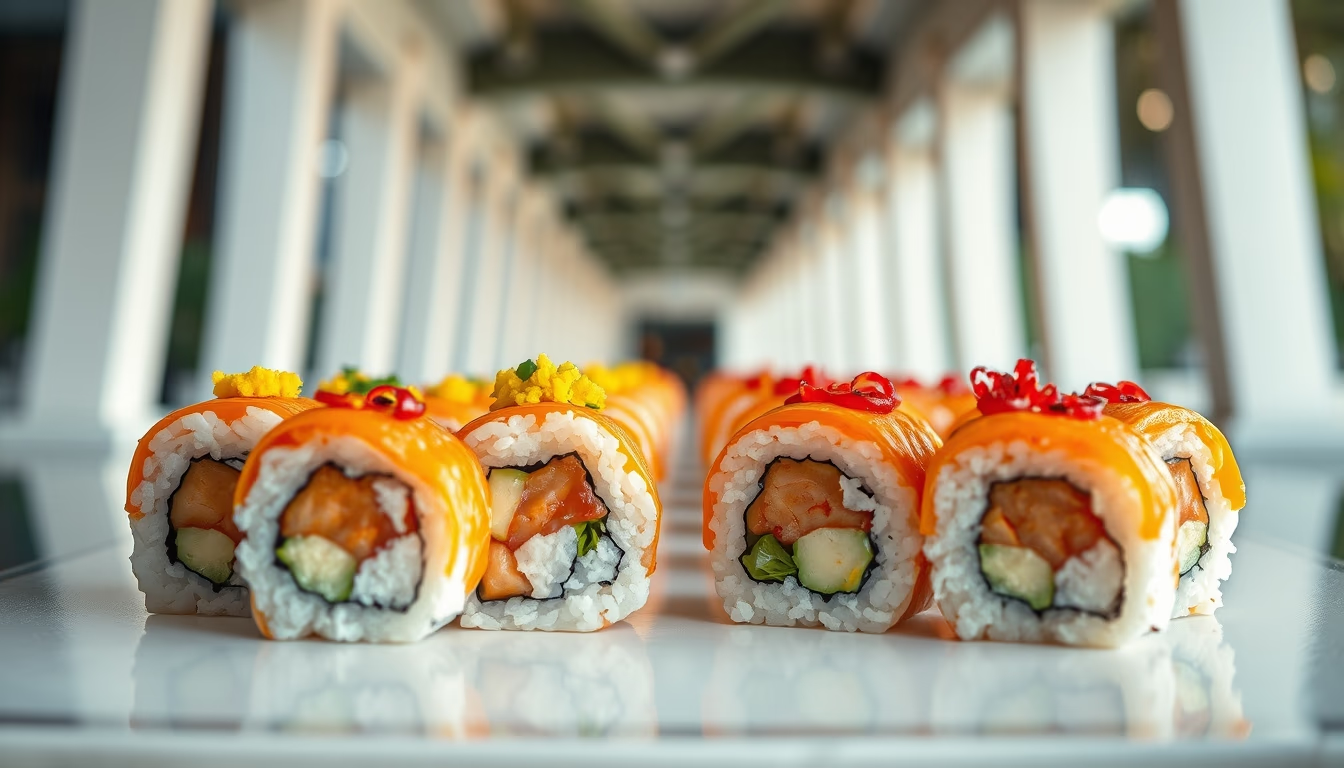
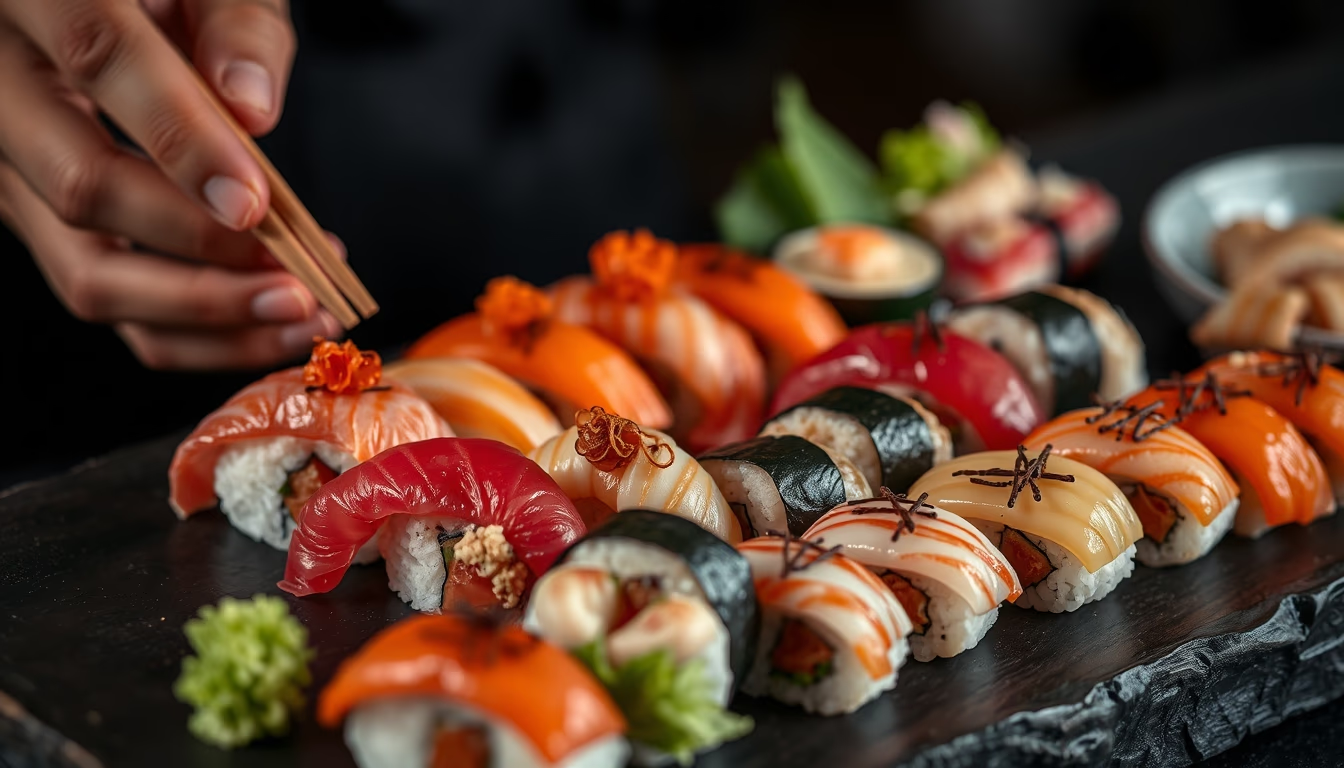
Maki rolls colorful
1344×768 · AVIF · CC BY 4.0
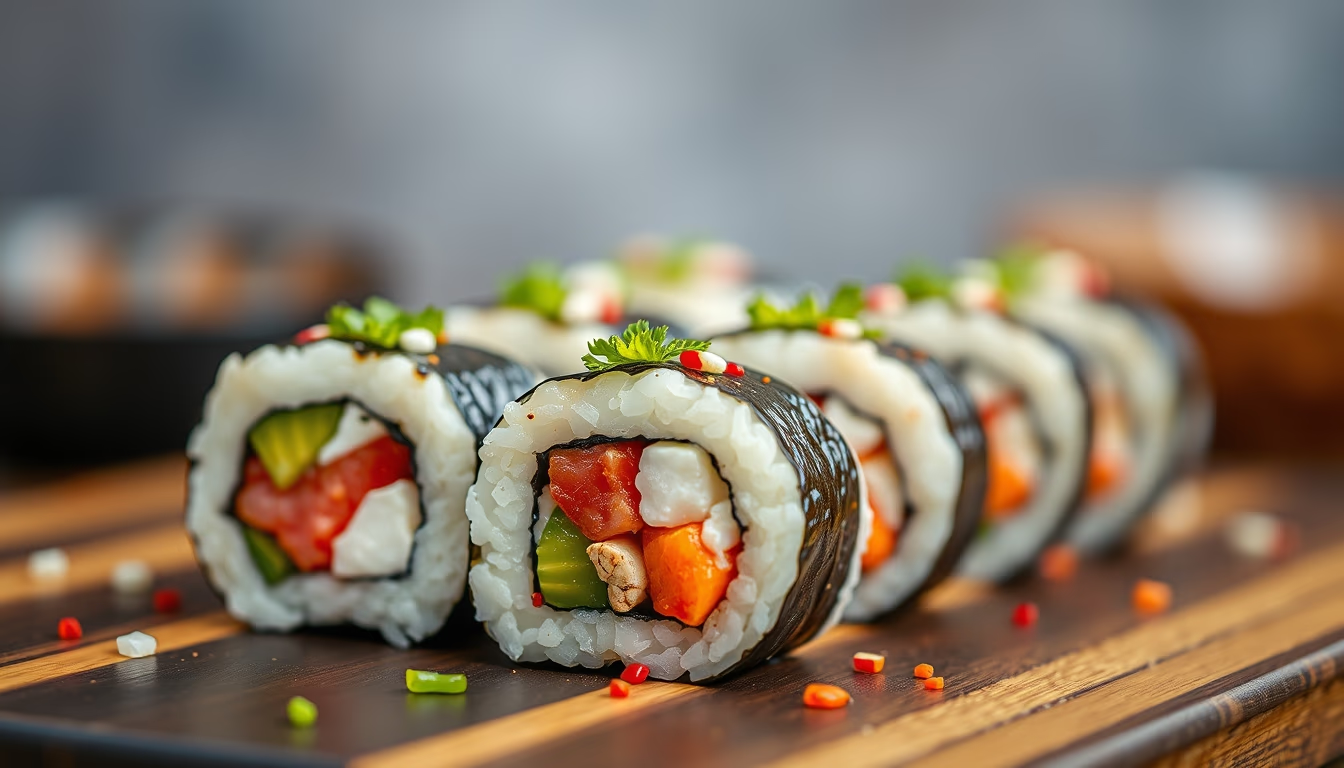
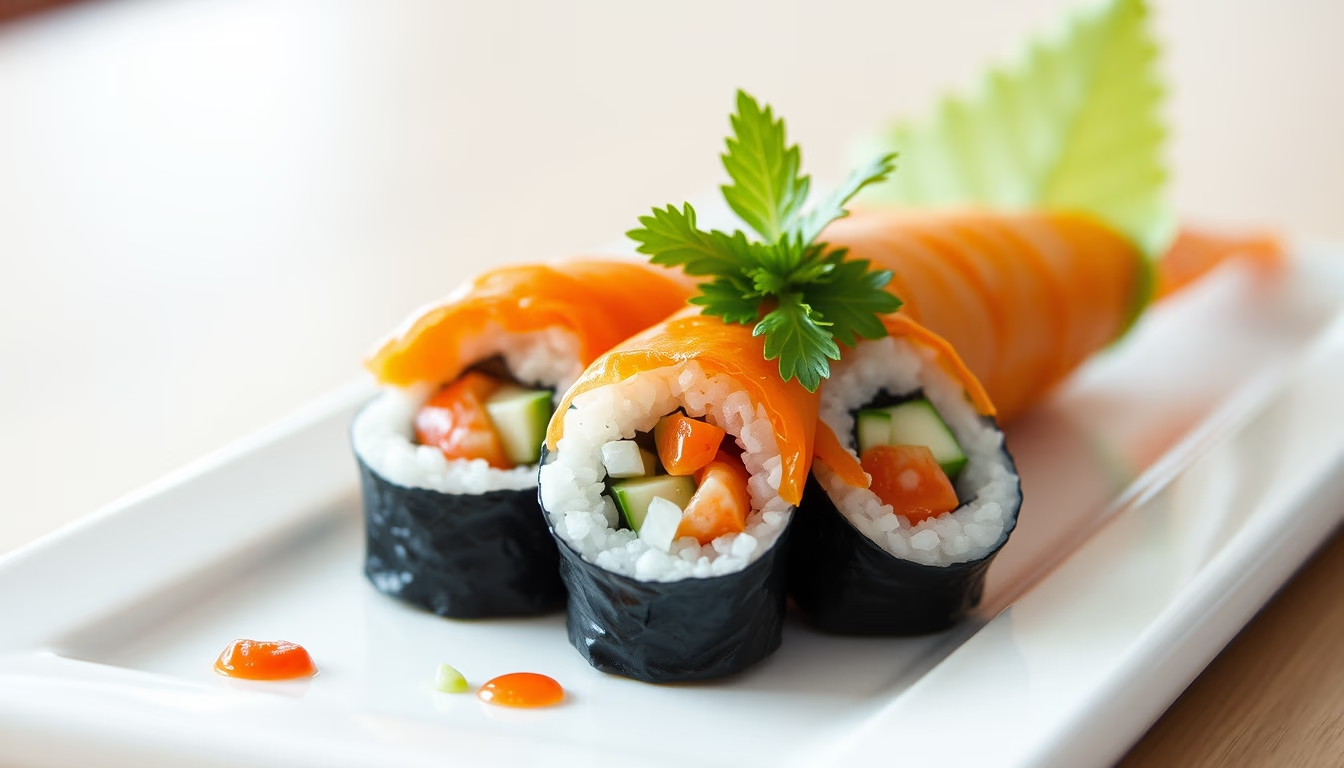
Colorful maki rolls combine rice, seaweed, and varied fillings in a vibrant and tasty presentation.
About this subject
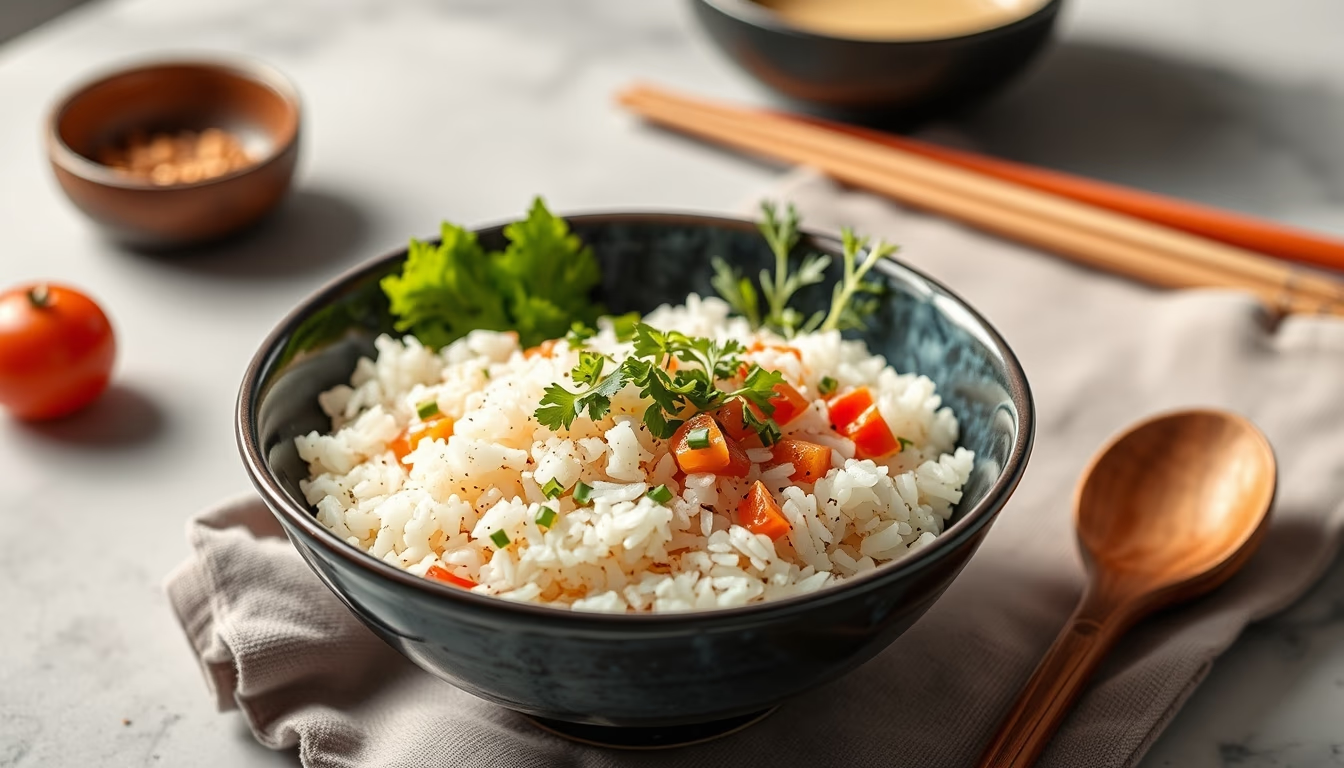
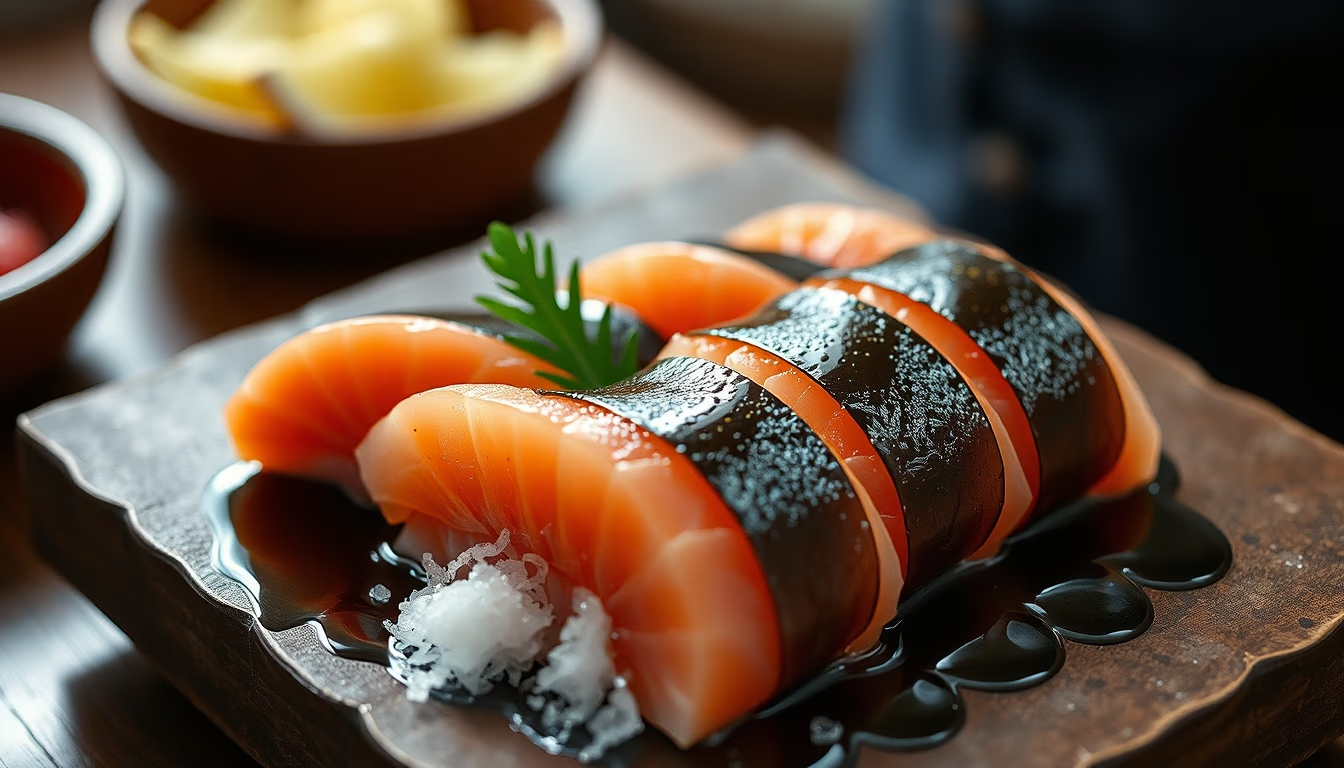
Maki rolls are one of the most popular types of sushi, originating from Japan and spread globally. The word "maki" means "rolled" in Japanese, referring to the technique of rolling seasoned rice and fillings in a sheet of nori seaweed. Colorful maki rolls often use ingredients like salmon, tuna, cucumber, avocado, and mango, with toppings such as sesame seeds, masago (fish roe), or tare (sweet sauce). The variety of colors comes from both natural ingredients and aesthetic finishes, such as using rice colored with spinach (green) or beetroot (pink), a common practice in Western restaurants to create visual appeal.
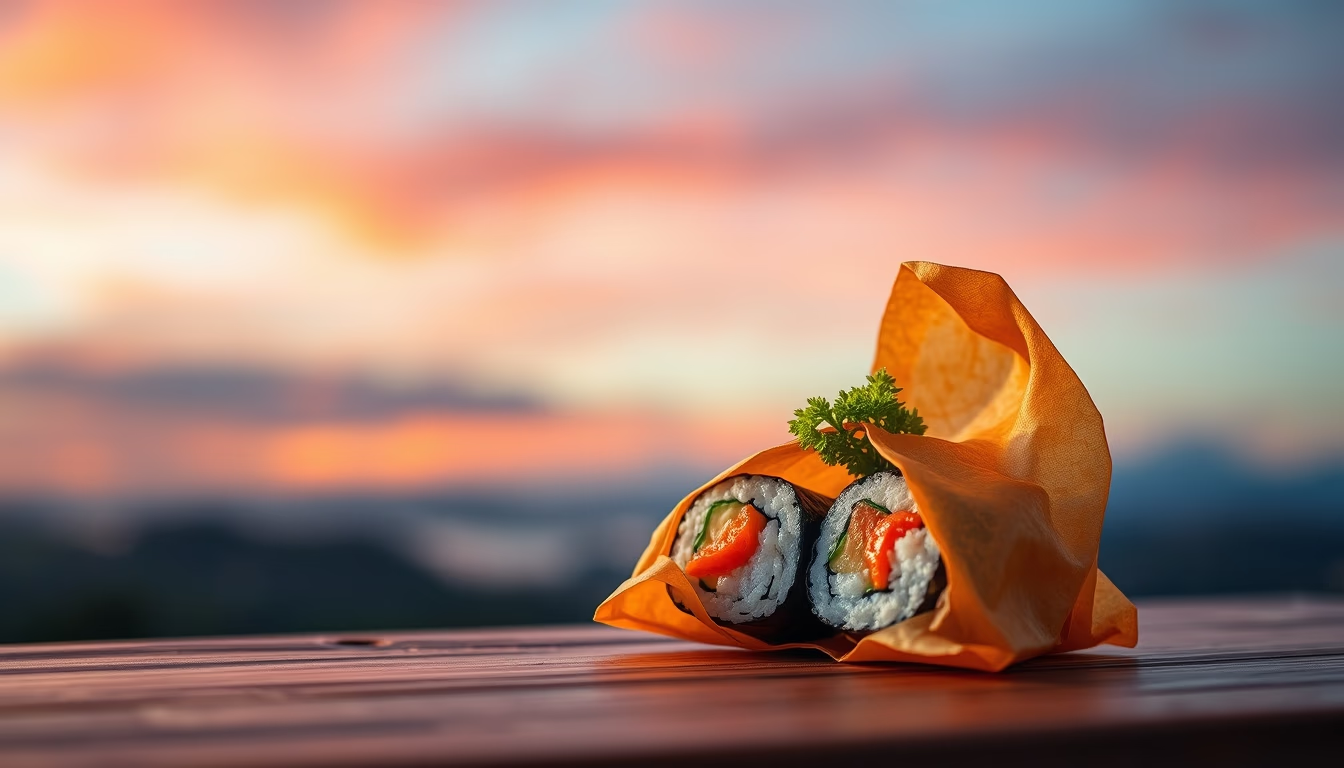
In Japan, traditional maki is simpler, like hosomaki (thin, with a single filling) or futomaki (thick, with multiple fillings). In the West, adaptations such as uramaki (rice on the outside) and temaki (cone) emerged. Colorful maki is often associated with fusion cuisine and festivals, where playful presentation is valued. Interestingly, the tilt-shift technique used in some photographs, as indicated by the tag, gives a miniature appearance, but does not change the nature of the dish.
Maki rolls are appreciated for their convenience and versatility, served as an appetizer, main course, or in combos. The global popularity of sushi has led to regional creations, such as the California roll (with crab, avocado, and cucumber) and the Philadelphia roll (with cream cheese). The vibrant coloration, beyond aesthetics, can indicate fresh and varied ingredients, making each bite a rich sensory experience.
Frequently Asked Questions
What is the difference between maki and sushi?
Sushi is a general term for dishes with vinegared rice. Maki is a specific type of sushi that is rolled in nori seaweed. Other types include sashimi (sliced raw fish) and nigiri (rice topped with fish).
Do colorful maki rolls contain artificial coloring?
Not necessarily. Color can come from natural ingredients like spinach for green, beetroot for pink, or turmeric for yellow. Some restaurants use food coloring, but traditional Japanese cuisine prefers natural sources.
How should leftover maki rolls be stored?
They are best eaten the same day. Refrigerate in a sealed container for up to 24 hours, but the rice and seaweed texture will degrade. Freezing is not recommended as it compromises quality.
Direct URL
https://pub-c7d6a6ea828543ac903a74a341ccb2e1.r2.dev/imagens/maki-rolls-colorful-tilt-shift-miniature-fresh4.avifHow to credit
Include a visible link back to UtilizAí. Copy one of the snippets below:
<a href="https://xn--utiliza-eza.com/en/midia/imagens/maki-rolls-colorful-tilt-shift-miniature-fresh4">Maki rolls colorful</a> by <a href="https://xn--utiliza-eza.com">UtilizAí</a>, licensed under <a href="https://creativecommons.org/licenses/by/4.0/">CC BY 4.0</a>.
[Maki rolls colorful](https://xn--utiliza-eza.com/en/midia/imagens/maki-rolls-colorful-tilt-shift-miniature-fresh4) by [UtilizAí](https://xn--utiliza-eza.com), CC BY 4.0
License: CC-BY-4.0